Apple is Planning to Launch an All-New "MacBook Ultra" This Year, Featuring an OLED Display and Touchscreen Capability

Apple is reportedly gearing up to introduce a groundbreaking new addition to its laptop lineup: the "MacBook Ultra." This premium device, slated for a launch later this year, is expected to redefine the high-end personal computing experience with a vibrant OLED display and integrated touchscreen functionality. The information comes from a recent report by Bloomberg’s Mark Gurman, a prominent leaker known for his accurate insights into Apple’s product development. This move signifies a significant expansion of Apple’s "Ultra" branding, mirroring its strategy with iPhone and AirPods, and suggests a deliberate effort to cater to a more discerning and demanding segment of the market.
A New Frontier for MacBooks: OLED and Touch Integration
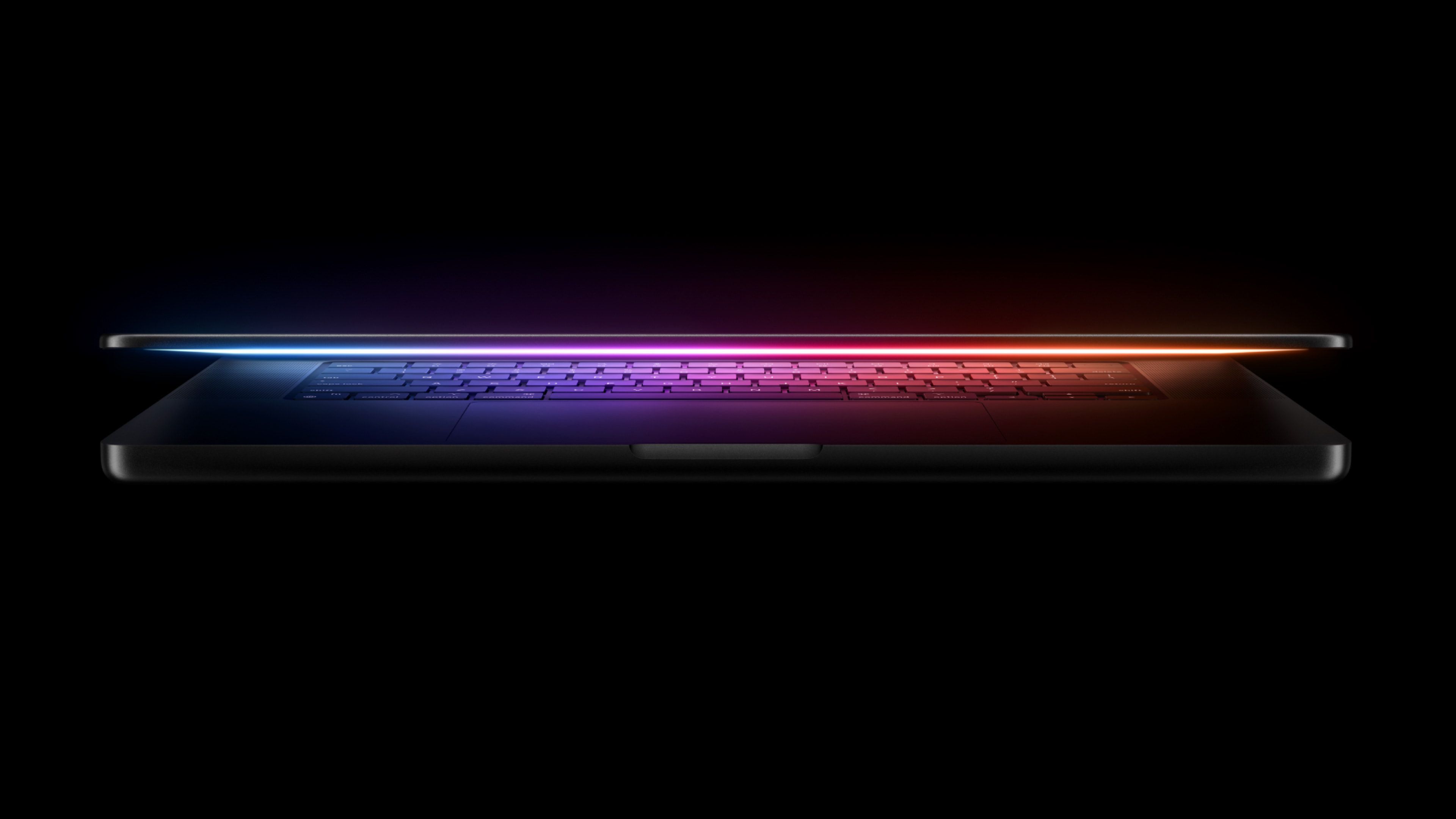
The highly anticipated MacBook Ultra is poised to be a departure from Apple’s existing MacBook Pro models, positioning itself as a distinct, top-tier offering rather than a direct successor. Gurman’s report, published in his "Power On" newsletter, indicates that this new MacBook will sit above the current M5 MacBook Pro models, which themselves are expected to be refreshed with OLED displays and a new, thinner design in the fourth quarter of 2026. This implies that the M5 MacBook Pros will likely remain available, coexisting with the Ultra to offer a tiered product strategy.
The integration of an OLED display represents a significant technological leap for Apple’s laptops. While OLED technology has been a staple in Apple’s iPhone lineup since the iPhone X’s debut in 2017, and more recently in the iPad Pro in 2024, its introduction to the MacBook is a first. OLED displays are renowned for their superior contrast ratios, deeper blacks, and more vibrant colors compared to traditional LCD panels. This enhancement is expected to elevate the visual experience for creative professionals, media consumers, and general users alike. Furthermore, the inclusion of a touchscreen, a feature long requested by some users and a standard on many competing laptops, would offer a more interactive and versatile computing experience, potentially bridging the gap between traditional laptop use and tablet-like interactions.
Strategic Pricing and Market Segmentation
The introduction of the MacBook Ultra is also expected to be accompanied by a significantly higher price point. Gurman’s analysis draws a parallel to Apple’s past product launches, noting that the incorporation of OLED technology into the iPhone X and iPad Pro led to price increases of approximately 20%. Applying this trend to the MacBook Ultra suggests a substantial premium for the new display technology and enhanced functionality. This pricing strategy aligns with Apple’s broader approach of diversifying its product portfolio across a wider range of price points.
This strategy is already evident with the recent unveiling of the MacBook Neo, positioned at an unprecedented $599. This move directly challenges the dominance of low-cost Windows laptops and Chromebooks in the educational and budget-conscious consumer markets. By simultaneously introducing an ultra-premium MacBook Ultra, Apple aims to capture market share at both ends of the spectrum, offering a comprehensive suite of products that cater to virtually every user need and budget. This dual-pronged approach allows Apple to maximize its reach and profitability by appealing to both price-sensitive buyers and those seeking the absolute pinnacle of performance and features.
The "Ultra" Branding: A Consistently Premium Tier
The "Ultra" moniker is becoming a recurring theme in Apple’s product development, signaling its commitment to creating a distinct tier of premium devices. Beyond the potential MacBook Ultra, Gurman suggests that this year will also see the launch of an "iPhone Ultra" and "AirPods Ultra." The rumored foldable iPhone Ultra is expected to command a price tag around $2,000, featuring a large internal display and advanced under-display sensors. The AirPods Ultra, priced above the current AirPods Pro, are anticipated to incorporate computer-vision cameras, enabling them to feed "Visual Intelligence" data to Siri, potentially enhancing its contextual awareness and capabilities.
This consistent application of the "Ultra" branding across different product categories reinforces Apple’s strategy to clearly delineate its highest-end offerings. It allows consumers to immediately identify the most advanced and feature-rich devices within Apple’s ecosystem. While the final name for the high-end MacBook remains subject to confirmation, Gurman’s consistent reference to it as "the touch-screen and OLED high-end MacBook" rather than a "MacBook Pro" strongly suggests a new product designation. He acknowledges that Apple "could keep the traditional ‘MacBook Pro’ name," but a "MacBook Ultra" moniker would "more clearly signal their position at the top of the lineup."
Timeline and Technological Evolution
The introduction of the MacBook Ultra is anticipated towards the end of the year, likely aligning with Apple’s typical product release cycles for its more significant hardware updates. This timeline places it in close proximity to the expected launch of new M6-series MacBook Pro models in the fourth quarter of 2026. This staggered release could allow Apple to build anticipation for each product individually and ensure a focused marketing effort for each new device.
The technological advancements driving these new MacBooks are rooted in Apple’s ongoing innovation in silicon and display technology. The M5 and subsequent M6 series chips are expected to deliver incremental performance gains, but the true game-changers for this generation appear to be the adoption of OLED displays and the refinement of touchscreen integration. The lessons learned from implementing OLED in iPhones and iPads have undoubtedly paved the way for its seamless integration into MacBooks. The potential for under-display sensors, as hinted at with the iPhone Ultra, could also find its way into future MacBook iterations, further blurring the lines between hardware and user interface.
Broader Implications for the Laptop Market
The advent of the MacBook Ultra, with its premium features and price point, has several implications for the broader laptop market. Firstly, it signals Apple’s intent to directly compete with other high-end workstation manufacturers, offering a compelling alternative for professionals who demand cutting-edge technology. The inclusion of a touchscreen could also pressure competitors to further refine their own touch-enabled laptop designs and software integrations.
Secondly, the expansion of Apple’s product segmentation, from the budget-friendly MacBook Neo to the ultra-premium MacBook Ultra, demonstrates a sophisticated understanding of market dynamics. This strategy allows Apple to appeal to a wider customer base, from students and casual users to demanding creative professionals and enterprise clients. By offering a clear progression of features and performance across its laptop range, Apple aims to retain customers within its ecosystem, encouraging upgrades and cross-product adoption.
Finally, the ongoing innovation in personal computing devices, exemplified by the rumored MacBook Ultra, underscores the rapid pace of technological advancement. As display technologies mature and user interfaces evolve, consumers can expect increasingly sophisticated and versatile devices. The MacBook Ultra, if it lives up to its rumored specifications, is poised to be a significant benchmark in this ongoing evolution, setting new standards for what users can expect from a premium laptop. The year 2026 is shaping up to be a pivotal one for Apple’s Mac lineup, with the MacBook Ultra promising to be a standout highlight.