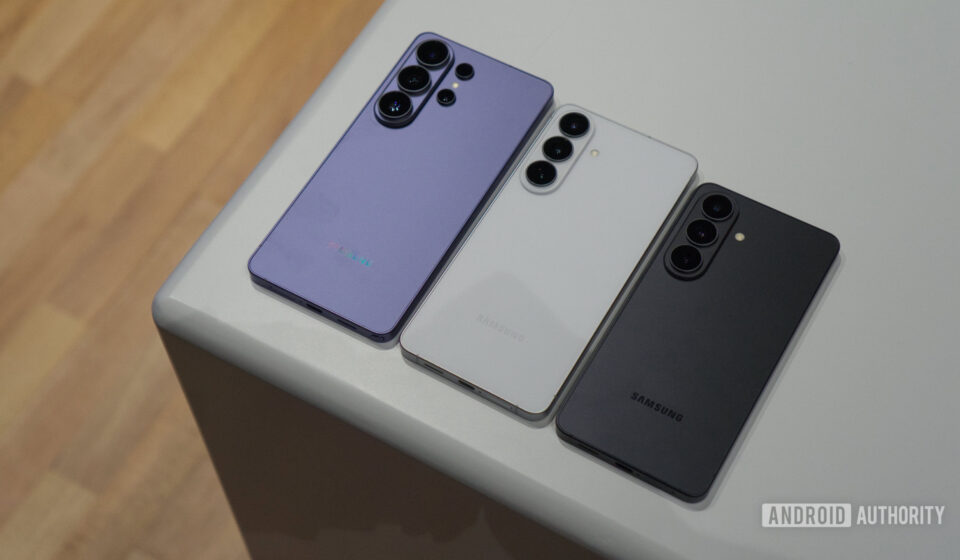
Samsung’s Galaxy S26 Series Draws Criticism for Stagnant Innovation and Feature Disparity

The annual unveiling of Samsung’s Galaxy S-series flagships, traditionally a highlight in the consumer electronics calendar, has increasingly been met with a muted reception. This trend of waning excitement has culminated in significant skepticism following the launch of the Galaxy S26 series, prompting a critical re-evaluation of Samsung’s current trajectory in the premium smartphone market. Analysts and consumers alike point to a perceived stagnation in hardware innovation and a widening disparity in features across the lineup as primary concerns, suggesting a need for substantial strategic adjustments to rekindle interest in its top-tier devices.
A Shifting Landscape: Samsung’s Place in the Premium Segment
For years, Samsung’s Galaxy Unpacked events were synonymous with pushing the boundaries of smartphone technology, showcasing cutting-edge displays, camera systems, and processing power. These events established Samsung as a global leader and a formidable rival to Apple. However, in recent iterations, particularly since the Galaxy S24 series, the narrative has shifted, with a pronounced emphasis on software-driven AI features rather than groundbreaking hardware advancements. This pivot has raised questions about Samsung’s long-term hardware strategy, especially as aggressive competition from Chinese manufacturers continues to intensify, offering compelling alternatives with advanced specifications at competitive price points. The Galaxy S26 launch in early 2026, while introducing new models like the S26, S26 Plus, and the S26 Ultra, appears to have amplified these concerns rather than alleviating them. With its significant global market share, Samsung’s strategic choices for its flagship series have far-reaching implications for the broader Android ecosystem and consumer expectations.
The Call for Enhanced Power: Addressing Battery Stagnation
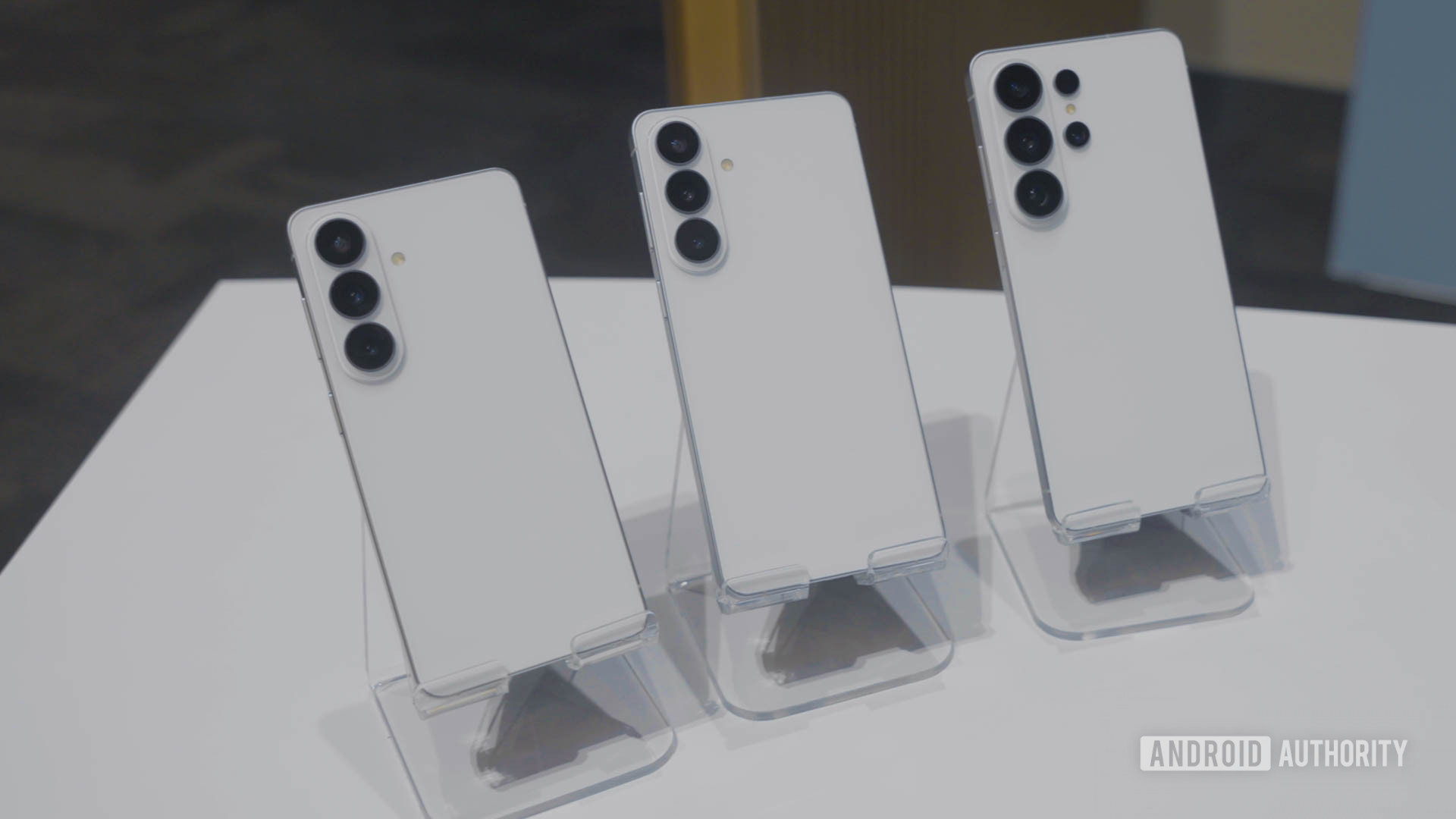
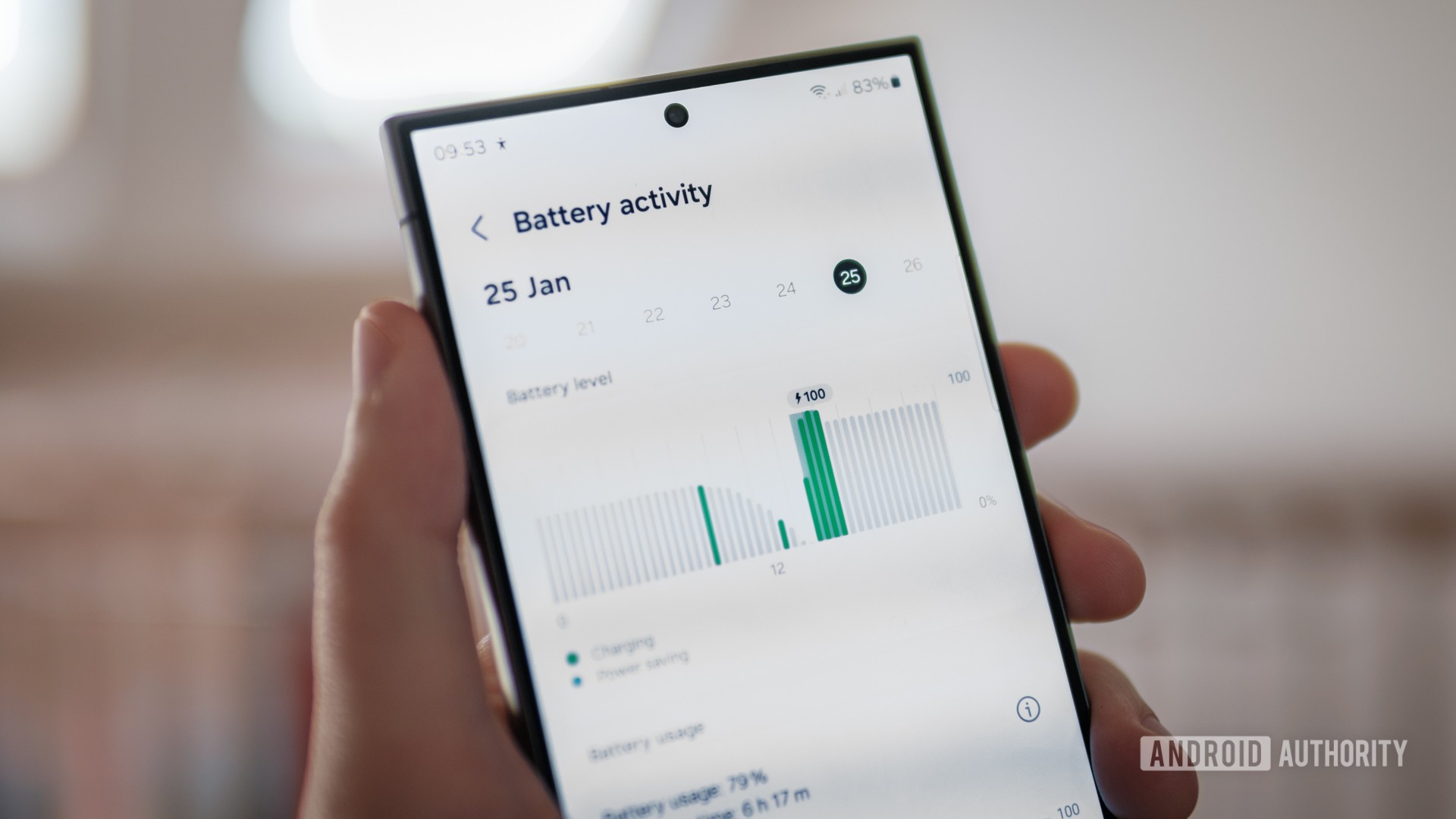
One of the most persistent criticisms leveled against Samsung’s recent flagships pertains to battery capacity, an area where the company appears to be falling significantly behind its rivals. The Galaxy S26 Ultra, positioned as the pinnacle of Samsung’s smartphone engineering, continues to feature a 5,000mAh battery. This capacity has remained unchanged since the introduction of the S20 Ultra, signifying half a decade of stagnation in this critical component for its premium tier. In an era where smartphone usage is increasingly demanding, with higher refresh rate screens, more powerful processors, and energy-intensive applications, static battery sizes directly translate to a less satisfactory user experience.
The industry has seen the emergence of advanced battery technologies, such as silicon-carbon (Si-C) cells, which offer higher energy density, allowing for greater capacity within the same physical footprint or maintaining capacity while reducing thickness. While Samsung is rumored to be researching larger Si-C cells, its hesitation to integrate these into its current flagships is notable. This contrasts sharply with competitors; for instance, the Google Pixel 10a, a mid-range device priced approximately $400 less than the standard S26, already boasts a 5,100mAh battery. The standard S26, meanwhile, is equipped with a comparatively modest 4,300mAh battery, and the S26 Plus has seen only a marginal 200mAh increase from its S23 Plus predecessor over three generations. Consumers are increasingly signaling their willingness to accept a marginally thicker device if it translates to substantially improved battery life, suggesting Samsung’s current design philosophy may be misaligned with core user priorities. This conservative approach to battery innovation risks alienating users who prioritize endurance above all else, especially when competing devices, even in lower price brackets, offer superior longevity.
Bridging the Divide: The Growing Disparity in the S26 Lineup
Historically, Samsung’s Galaxy S-series offered a balanced portfolio, with the standard model providing a premium experience in a compact form, the Plus offering a boost in screen size and battery, and the Ultra serving as the no-compromise, ultra-premium option. However, recent years have seen a noticeable shift, with the standard S26 and S26 Plus increasingly relegated to the role of footnotes, overshadowed by the Ultra’s more significant — albeit still critiqued — hardware updates. This strategy has created a widening chasm in features and capabilities within Samsung’s own flagship family.
A direct comparison between the S26 and S23 series reveals a striking lack of progression over three years for the non-Ultra models. Both the S26 and S26 Plus retain the same charging speeds and largely unchanged camera setups (in terms of resolution and optical zoom) as their S23 counterparts. This inertia becomes particularly problematic when contrasted with the rapid advancements seen in the broader smartphone market. Upper-midrange rivals, often significantly cheaper, frequently outmaneuver the standard S26 and S26 Plus in key hardware metrics. For example, the Nothing Phone 3a Pro, launched at $459.99, is equipped with a 5,000mAh battery, 50W wired charging, a 50MP periscope camera with 3x optical zoom, and a 50MP front-facing camera. Similarly, the Honor 400 Pro, despite not being marketed as a full flagship, offers a 6,000mAh battery, 100W wired charging, and a 50MP telephoto lens. These comparisons underscore a critical failing: Samsung’s standard and Plus flagships are struggling to justify their premium price tags against a backdrop of more feature-rich and aggressively priced alternatives.
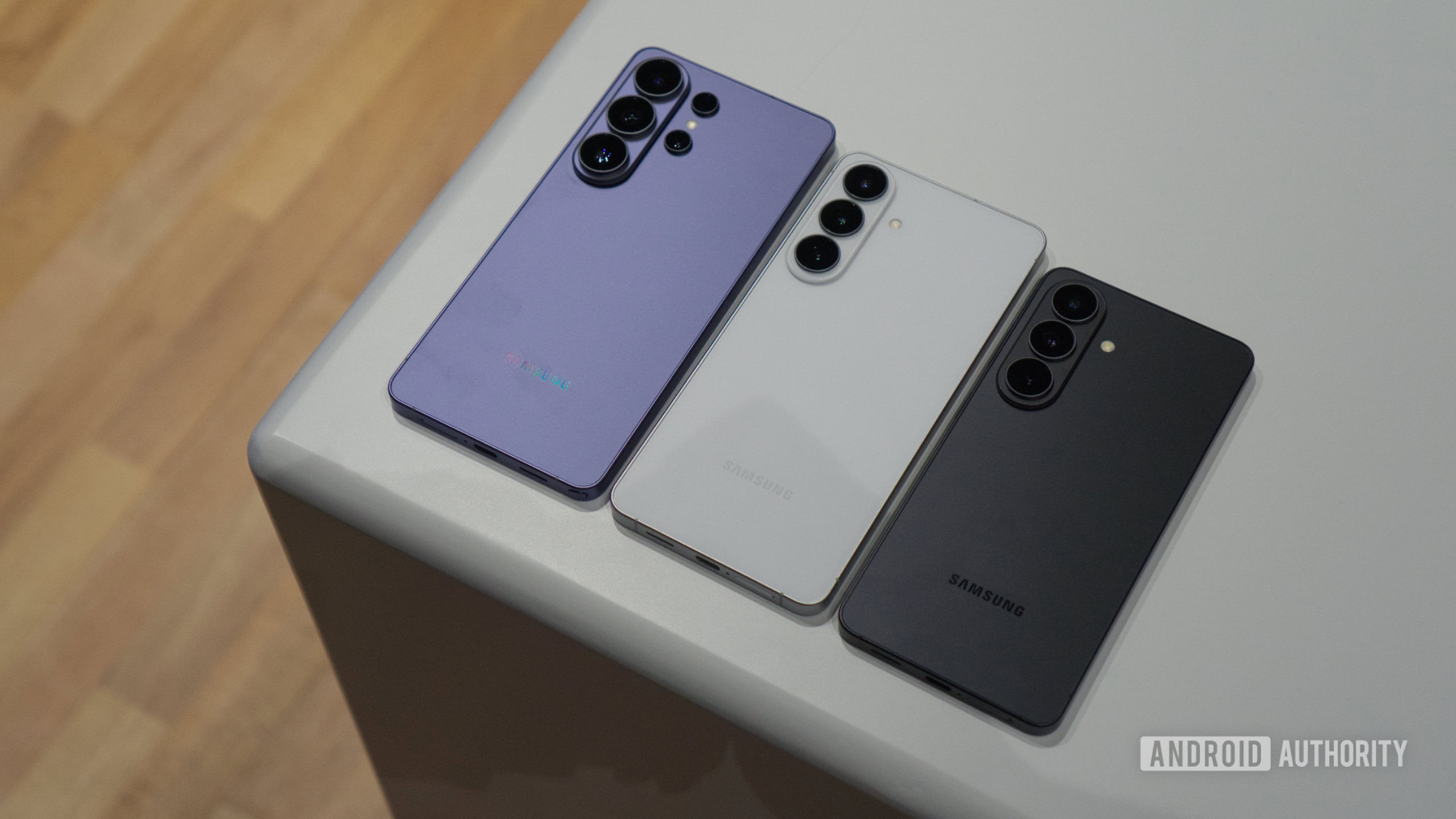
Furthermore, within Samsung’s own ecosystem, the existence of the Galaxy S25 FE (Fan Edition) presents an internal challenge. The FE series aims to deliver flagship-tier features at a more accessible price point. With comparable, and in some cases superior, specifications to the standard S26, the S25 FE (and its anticipated successor, the S26 FE) arguably cannibalizes the market for the entry-level flagship. This raises a fundamental question: who is the standard S26 truly designed for, and what unique value proposition does it offer that cannot be found more affordably within Samsung’s own stable or from external competitors? This strategic ambiguity risks confusing consumers and diminishing the perceived value of the core Galaxy S models.
Refining the Lens: The Imperative for Enhanced Optical Zoom
In the highly competitive camera phone market, optical zoom remains a crucial differentiator for premium devices. While the S26 Ultra has seen improvements in aperture size for its 200MP and 50MP lenses, enhancing low-light performance, the broader approach to optical zoom across the series, and particularly within the Ultra model, has drawn criticism. The decision to remove the 10x optical zoom from the Ultra’s rear camera in previous generations, replacing it with "optical quality zoom" (essentially a sensor crop), has been a point of contention for photography enthusiasts. This marketing term has extended to other lenses, with the S26 Ultra’s 200MP wide lens claiming 2x optical quality zoom and the S26/S26 Plus’s 50MP wide-angle lens also advertising 2x optical zoom based on cropping.
True optical zoom, which relies on physical lens movement to magnify an image without loss of detail, offers a distinct advantage over digital cropping. The latter, while capable of producing decent results in optimal conditions, inherently sacrifices resolution and image fidelity at higher magnifications. For a device priced at $1,299, the S26 Ultra is expected to be at the vanguard of camera innovation, not merely relying on digital manipulation. Competitors like the Xiaomi 17 Ultra exemplify this forward-thinking approach, featuring an innovative variable-aperture, variable-focal-length periscope camera coupled with a large sensor. This technology provides unparalleled versatility and genuine optical magnification across a range of focal lengths, setting a new benchmark for mobile photography.
To regain its leadership in smartphone cameras, Samsung needs to recommit to true optical zoom. A return of 10x optical zoom to the next Ultra model, alongside maintaining high resolution, is seen as a minimum requirement. For the successors to the S26 and S26 Plus, incorporating at least 5x optical zoom would significantly enhance their photographic capabilities and provide a tangible upgrade for users. This focus on authentic optical hardware, rather than relying on software-based enhancements or ambiguous marketing terms, is essential for Samsung to reaffirm its position as a leader in mobile imaging.
The Need for Speed: Accelerating Charging Capabilities
Parallel to the stagnation in battery capacity, the charging speeds offered by the Galaxy S26 series also lag behind contemporary industry standards. The S26 Ultra receives a modest upgrade to 60W charging, a long-overdue improvement, but one that still places it behind many competitors. Meanwhile, the standard S26 remains saddled with 25W charging, which, for a flagship device in 2026, is considered exceptionally slow.
Samsung’s adherence to the USB PD PPS (Power Delivery Programmable Power Supply) protocol is commendable for its universality and safety standards. However, other manufacturers utilizing the same protocol have managed to achieve significantly faster charging rates. The Xiaomi 17 Ultra, for instance, supports 90W PD PPS charging, demonstrating that higher speeds are achievable within the same protocol framework. Beyond PD PPS, many Chinese brands have developed proprietary charging technologies that push speeds well into the triple digits (e.g., 100W, 120W, or even higher), drastically reducing charge times. While safety and battery longevity are valid concerns that often lead manufacturers to adopt more conservative charging speeds, Samsung’s current offerings are seen as excessively cautious. In a world where quick top-ups are increasingly expected, the slow charging speeds of the S26 series, particularly the standard model, represent a notable inconvenience and a competitive disadvantage. Consumers expect their premium devices to offer not just endurance, but also the ability to rapidly replenish power, a crucial aspect of modern smartphone utility.
Re-evaluating AI: Beyond the Hype Cycle
Since the introduction of the Galaxy S24 series, Samsung’s flagship launches have heavily leaned into Artificial Intelligence (AI) as their primary distinguishing feature. While initially intriguing, the utility and long-term value of many of these AI features have come under scrutiny. The S25 and S26 launches further amplified this AI-centric marketing, often highlighting features developed in partnership with Google.
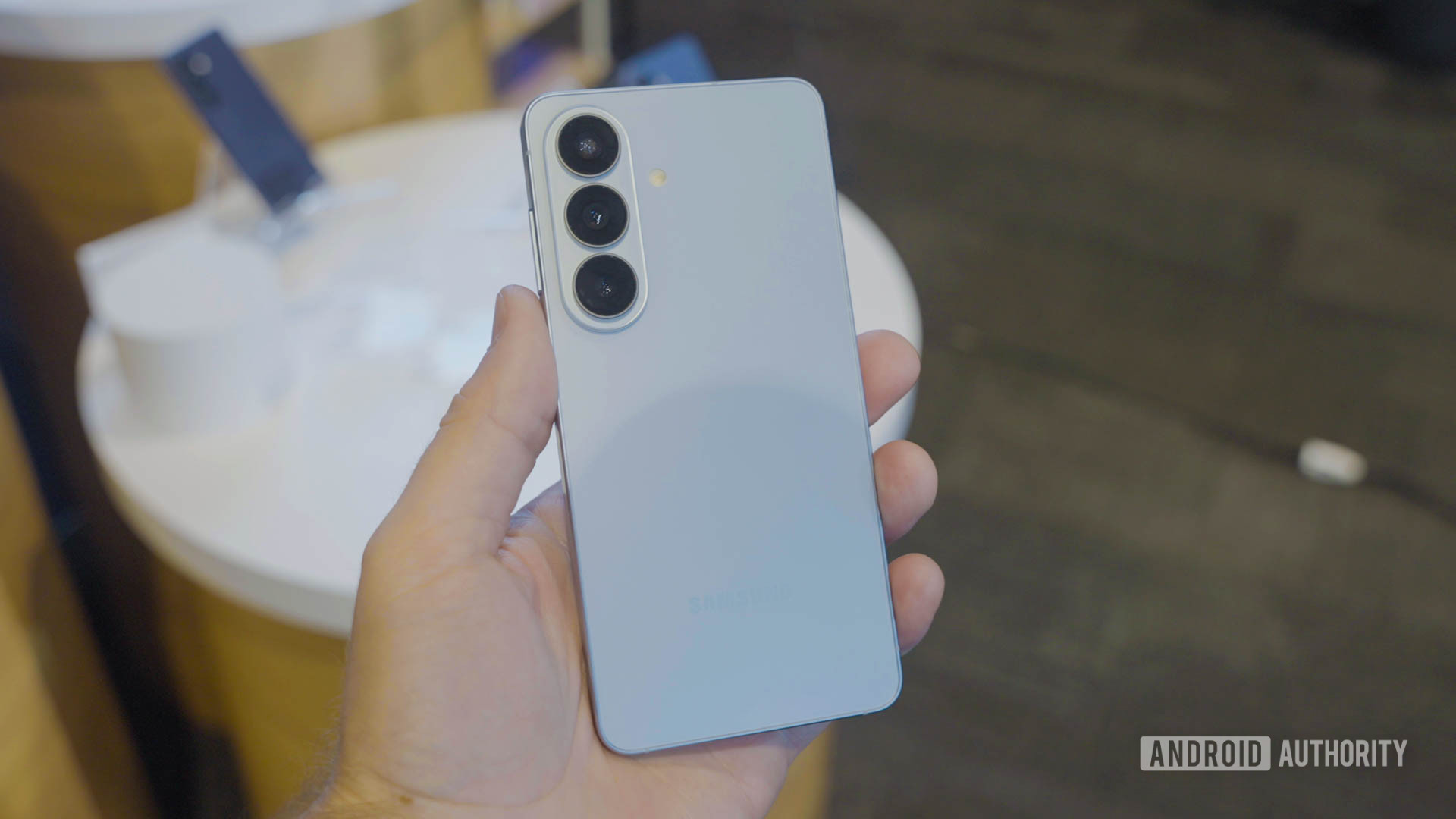
A significant point of contention is the non-exclusivity of many "Galaxy AI" features. Tools like "Circle to Search," which debuted on Galaxy and Pixel phones, have rapidly rolled out to a wider array of Android devices, diminishing their unique appeal for Samsung users. Similarly, features such as "Find The Look" in Circle to Search, while launching first on the S26 series and Pixel 10, are slated for broader Android availability. This shared development dilutes Samsung’s ability to differentiate its devices solely on AI.
For AI features exclusive to Samsung’s ecosystem, users are often required to adopt Samsung’s proprietary apps for web browsing, notes, or reminders. This creates friction for individuals already invested in other app ecosystems, limiting the practical appeal of these AI integrations. More fundamentally, the practical utility of many AI features in real-world scenarios has been questioned. Examples include inconsistent performance in transcribing accents or the underutilized potential of features like "Now Brief."
Moreover, the increasing focus on "agentic AI" – AI systems capable of performing tasks autonomously on behalf of the user – raises significant privacy concerns. Without robust and transparent assurances regarding data handling, storage, and security, consumers are justifiably hesitant to fully embrace these capabilities. If AI is to be a meaningful differentiator, it must offer tangible, consistently reliable benefits that genuinely enhance the user experience, rather than serving primarily as a marketing buzzword. It must also be implemented with a clear commitment to user privacy and data security.
The Road Ahead: A Call for Renewed Hardware Innovation
The collective sentiment surrounding the Galaxy S26 series suggests a critical juncture for Samsung’s smartphone strategy. While the S26 Ultra’s "Privacy Display" might offer a novel feature, it is perceived as incremental rather than groundbreaking, insufficient to motivate a significant investment in a $1,299 device. For a brand that once set the pace for innovation in the Android space, the current trajectory risks ceding ground to more agile and aggressive competitors.
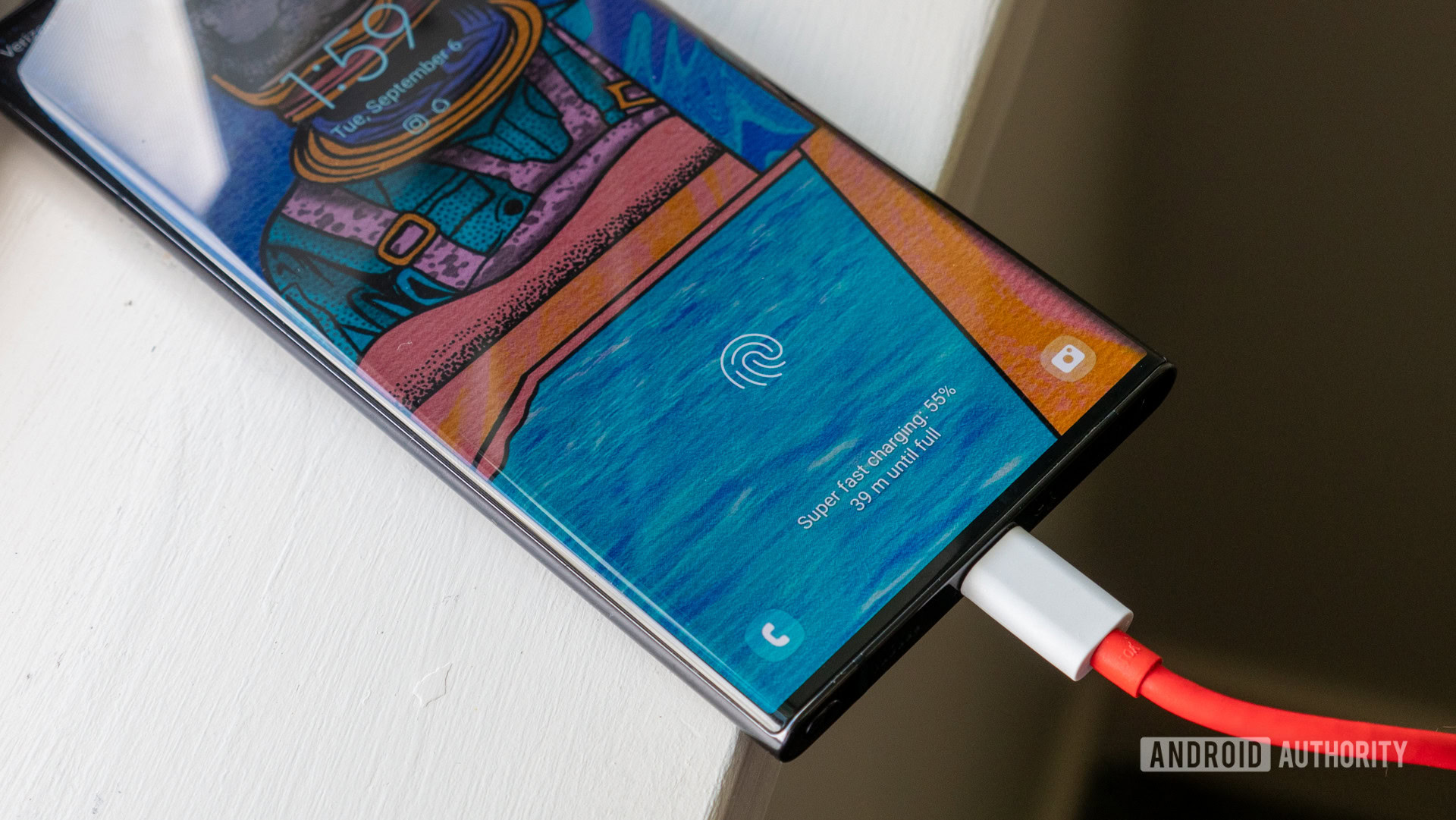
To reclaim its position at the forefront of the Android market and reignite consumer enthusiasm, Samsung must shift its focus back to fundamental hardware innovation. This includes addressing the stagnant battery capacities across its lineup, closing the feature gap between its standard/Plus and Ultra models, reintroducing and enhancing true optical zoom capabilities, and significantly boosting charging speeds to meet contemporary expectations. While software and AI have their place, they should augment, not replace, a foundation of cutting-edge and thoughtfully implemented hardware. The future success of the Galaxy S-series, and Samsung’s enduring leadership in the smartphone industry, hinges on its ability to deliver tangible, impactful hardware advancements that truly excite and benefit the user.