Apple’s 50th Anniversary Approaches: Tim Cook Reflects on Culture, Innovation, and the Company’s Unique Identity

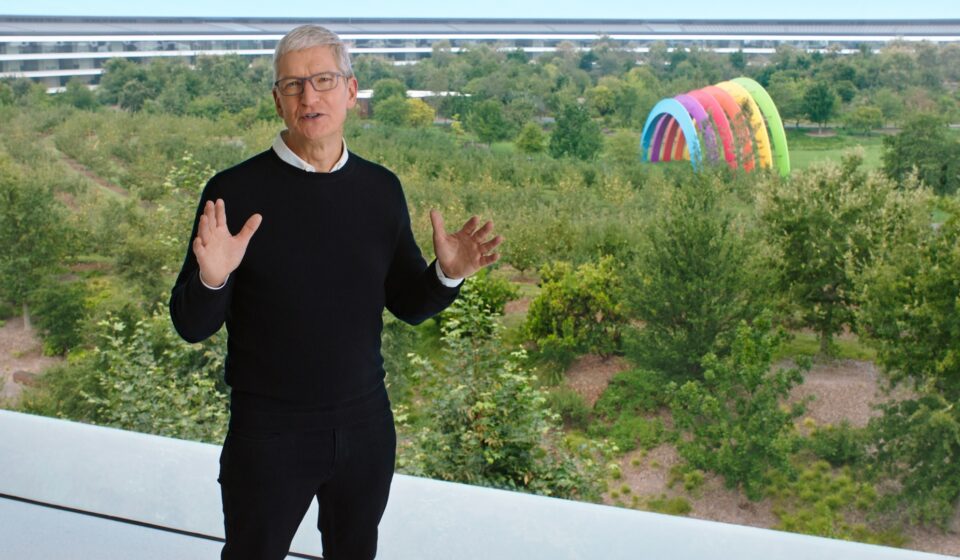
As Apple stands on the precipice of its 50th anniversary on April 1, 2026, a significant milestone in its transformative journey, CEO Tim Cook sat down with CBS Sunday Morning correspondent David Pogue for a candid interview that offered a profound glimpse into the company’s enduring ethos. The conversation, conducted in the shadow of Apple Park, delved into the foundational elements that Cook believes have not only propelled Apple to unparalleled success but also cemented its distinct position in the global technology landscape.
Cook identified two core pillars as "essential" to Apple’s sustained dominance: its people and its culture. He articulated a nuanced perspective, acknowledging the critical role of intellectual property but emphasizing that it is the human element, the very individuals who comprise Apple, that are the true architects of innovation. "Yes, we have a lot of intellectual property and so forth, and that is important, but it’s people that create that intellectual property," Cook stated, underscoring the primacy of human capital. "It’s the culture that creates the innovation with the intellectual property."
This deep-seated belief in the power of culture was further elaborated upon by the CEO. Cook posited that replicating Apple’s unique organizational DNA is an exceedingly difficult undertaking, a process that requires considerable time and meticulous cultivation. "I think it’s very difficult to replicate culture," he explained. "It takes a long time, because you have to hire the right people. And then those people have to hire the right people, and you have to build a complete organization." This iterative process of talent acquisition and organizational development, he suggested, is the bedrock upon which sustained innovation is built, ensuring that the company’s creative spirit is not a fleeting phenomenon but a continuously evolving force.
The interview served as a prelude to the release of Pogue’s new book, Apple: The First 50 Years, scheduled for publication the Tuesday following the interview. The book promises a comprehensive chronicle of Apple’s trajectory, from its nascent beginnings and near-fatal struggles to its rebirth under Steve Jobs and its ascent to becoming the world’s most valuable company under Cook’s leadership. The official description highlights the book’s inclusion of full-color photographs, meticulously researched facts that aim to clarify historical narratives, insights into Apple’s "subversive culture," and fresh interviews with key figures who have shaped the company’s storied past.
Cook’s concluding remarks in the interview painted a picture of Apple as an entity in a category of its own, a "party of one." This assertion reflects a profound confidence in the company’s inimitable blend of innovation, design philosophy, and operational excellence. "I think Apple is such a unique place, it’s not possible to replicate it," he asserted. "I know a lot of different companies, and I think Apple is just in a party of one." This statement suggests that while other companies may emulate certain aspects of Apple’s success, the intricate interplay of its history, its people, its product development cycle, and its brand identity creates a singularity that defies direct imitation.
A Half-Century of Innovation: The Genesis and Evolution of Apple
Apple’s impending 50th anniversary marks not just a chronological milestone but a testament to its profound impact on the digital age. Founded on April 1, 1976, by Steve Jobs, Steve Wozniak, and Ronald Wayne, the company emerged from a garage in Los Altos, California, with a revolutionary vision: to democratize computing and place powerful tools into the hands of individuals. The initial iteration, the Apple I, was a rudimentary kit computer, but it laid the groundwork for more ambitious endeavors.
The subsequent release of the Apple II in 1977 proved to be a watershed moment. With its user-friendly interface, color graphics, and expandability, it became one of the first mass-produced microcomputers, igniting the personal computer revolution. This period was characterized by a relentless drive for innovation, a spirit that defined Apple’s early years and established its reputation for pushing technological boundaries.
However, the company’s journey has not been without its challenges. Internal power struggles and strategic missteps led to Steve Jobs’ ousting in 1985. The ensuing years saw Apple struggle to regain its footing, facing stiff competition and a declining market share. This period of introspection and challenge underscored the fragility of even the most groundbreaking enterprises and the critical importance of visionary leadership.
The triumphant return of Steve Jobs in 1997 marked a pivotal turning point. Under his charismatic and demanding leadership, Apple underwent a dramatic renaissance. The introduction of the iMac in 1998, with its distinctive colorful design, signaled a renewed focus on aesthetics and user experience. This was followed by a string of revolutionary products that redefined entire industries: the iPod in 2001, which transformed music consumption; the iTunes Store in 2003, which legitimized digital music sales; and, perhaps most significantly, the iPhone in 2007, which fundamentally altered the concept of a mobile phone and ushered in the era of the smartphone.
Tim Cook, who joined Apple in 1998, ascended to the role of CEO in August 2011, shortly before Steve Jobs’ passing. Cook’s tenure has been characterized by a steady hand, a focus on operational efficiency, and a strategic expansion of Apple’s ecosystem. While Jobs was renowned for his product intuition and visionary leaps, Cook has overseen the maturation of Apple into a global behemoth, consistently delivering record-breaking financial results and expanding the company’s services division. Under his leadership, Apple has not only maintained its position at the forefront of consumer electronics but has also become a dominant force in areas such as wearable technology with the Apple Watch and streaming services with Apple TV+.
The Pillars of Apple’s Enduring Success: People and Culture
Tim Cook’s assertion that people and culture are the twin engines of Apple’s success is deeply rooted in the company’s operational philosophy. The emphasis on hiring "the right people" is not merely a matter of recruitment but a strategic imperative that permeates every level of the organization. This entails identifying individuals who not only possess exceptional technical acumen but also share a commitment to Apple’s core values, including a passion for innovation, a meticulous attention to detail, and a dedication to creating products that delight users.
The "culture that creates the innovation" is cultivated through a multifaceted approach. Apple fosters an environment that encourages collaboration, cross-functional teamwork, and open communication. The company’s renowned secrecy, while often debated, serves to focus internal efforts and prevent premature leaks, allowing teams to refine products without external distractions. Furthermore, Apple’s design philosophy, which prioritizes simplicity, elegance, and intuitive user experience, is deeply embedded in its culture, guiding product development from conception to final iteration.
The concept of "hiring the right people" and subsequently having "those people hire the right people" creates a self-perpetuating cycle of excellence. This organic growth ensures that new hires are integrated into a culture that values quality and innovation, reinforcing the company’s long-standing traditions. The "complete organization" that Cook refers to is not just a collection of departments but a cohesive unit working towards a shared vision, where each member understands their contribution to the larger whole.
The sustained effort required to maintain this culture, especially as "life changes and technology evolves," speaks to Apple’s adaptability. The company has consistently demonstrated an ability to anticipate and respond to shifts in consumer behavior and technological trends. This includes its strategic pivot towards services, recognizing the growing importance of recurring revenue streams and customer loyalty beyond hardware sales. The expansion into health and wellness with the Apple Watch and its associated services, as well as its investments in augmented reality and artificial intelligence, further illustrate its forward-looking approach.
A "Party of One": Apple’s Unrivaled Market Position
Tim Cook’s characterization of Apple as a "party of one" is not an expression of arrogance but a reflective observation of its unique standing in the global marketplace. While Apple operates within the highly competitive technology sector, its integrated approach to hardware, software, and services, combined with its powerful brand loyalty, sets it apart.
Supporting Data on Apple’s Market Dominance:
- Market Capitalization: As of early 2026, Apple consistently ranks among the top publicly traded companies globally by market capitalization, often exceeding $3 trillion. This valuation reflects investor confidence in its sustained profitability and future growth prospects.
- Revenue Growth: Apple’s fiscal year 2025 saw record revenues, driven by strong sales across its iPhone, Mac, iPad, Wearables, Home, and Accessories segments, as well as significant growth in its Services division.
- Customer Loyalty: Studies consistently show Apple enjoying some of the highest customer loyalty rates in the consumer electronics industry, with a significant percentage of users upgrading to newer Apple devices.
- Ecosystem Integration: The seamless integration between Apple’s devices and services (e.g., iPhone, iPad, Mac, Apple Watch, iCloud, Apple Music) creates a powerful ecosystem that encourages users to remain within the Apple fold.
- Profit Margins: Apple typically maintains higher profit margins on its hardware compared to many competitors, a testament to its premium branding and efficient supply chain management.
This "party of one" status can be attributed to several factors:
- Vertical Integration: Apple designs its own hardware, develops its own operating systems (iOS, macOS, watchOS, tvOS), and offers a robust suite of services. This level of control allows for optimized performance, enhanced security, and a cohesive user experience that is difficult for competitors to replicate.
- Brand Equity: Apple has cultivated one of the world’s most recognizable and valuable brands, associated with quality, innovation, and a certain aspirational lifestyle. This strong brand identity translates into significant pricing power and customer devotion.
- Focus on User Experience: From the intuitive interfaces of its software to the premium feel of its hardware, Apple consistently prioritizes the user experience, making its products accessible and enjoyable for a broad range of consumers.
- Strategic Product Development: Apple’s approach to product development is characterized by meticulous refinement and a focus on delivering truly impactful innovations rather than simply chasing incremental upgrades. The introduction of products like the Apple Watch and AirPods, which created new product categories, exemplifies this strategy.
The Broader Impact and Implications
The insights shared by Tim Cook on the eve of Apple’s 50th anniversary offer valuable perspectives not only on the company’s past and present but also on its future trajectory. The emphasis on people and culture suggests that Apple will continue to invest in its workforce and nurture its unique organizational environment as a primary driver of innovation. This bodes well for continued product development and the exploration of new technological frontiers.
The "party of one" declaration, while confident, also implies a responsibility to continue setting industry standards and driving innovation. As Apple matures, it faces the challenge of maintaining its disruptive spirit while managing the complexities of a global enterprise. The company’s ability to adapt and evolve, as demonstrated throughout its history, will be crucial in navigating the ever-changing technological landscape.
David Pogue’s book, Apple: The First 50 Years, is poised to provide a comprehensive historical context for these discussions, offering readers a deeper understanding of the forces that have shaped this iconic company. As Apple embarks on its next half-century, its foundational principles of human capital and a distinct, cultivated culture will undoubtedly remain at the core of its enduring legacy and its continued influence on the world. The company’s journey from a garage startup to a global technology titan is a compelling narrative of innovation, resilience, and the profound impact that a singular vision, powered by dedicated people, can have on shaping the future.