Google Home’s Latest Update Promises a Keyless Future and Enhanced Smart Home Control

Google is rolling out a series of significant updates to its Google Home platform, aiming to streamline daily routines and enhance the overall smart home experience for its users. The enhancements, which began to roll out progressively, focus on key areas such as home access, security, AI responsiveness, and energy management. These updates signal Google’s continued commitment to integrating its services more deeply into the fabric of everyday life, moving beyond simple voice commands to offer more tangible conveniences and insights.
Revolutionizing Home Access: The Digital Key Era
One of the most anticipated features emerging from this update is the introduction of digital house keys, a development that could make traditional physical keys a relic of the past for many Android users. By leveraging Google Wallet, compatible Android smartphones can now store secure digital credentials for smart locks. This functionality mirrors the convenience already established with digital car keys and contactless payment systems, extending it to the primary point of entry for a home.

The implementation varies based on the supported smart lock hardware. In some instances, users will be able to unlock their front doors with a simple tap of their phone against the smart lock. In other, more advanced scenarios, the system can facilitate unlocking without the user needing to actively retrieve their phone from their pocket, enabling a truly hands-free entry experience. This seamless integration aims to eliminate the common frustrations of fumbling for keys, especially when hands are full with groceries or other items. The rollout of this feature is dependent on partnerships with smart lock manufacturers, with early adopters likely to see the most immediate benefits as the technology matures and more devices gain compatibility. The underlying security protocols are designed to meet stringent industry standards, ensuring that digital keys are as secure, if not more so, than their physical counterparts.
Advanced Security Insights: Beyond Simple Motion Detection
Google is also enhancing the intelligence of its Nest security cameras and video doorbells, providing users with richer context for events captured around their properties. This upgrade is particularly beneficial for subscribers of Google Home Premium Advanced, who will now receive descriptions of motion-triggered events that include relevant auditory cues.
Previously, a notification might simply indicate that movement was detected. Now, with the integration of sound analysis, users could receive alerts specifying that movement was accompanied by sounds such as a dog barking, glass breaking, or a vehicle door closing. This nuanced information allows homeowners to make quicker, more informed decisions about whether an event warrants immediate attention or further investigation. For instance, a barking dog might be a false alarm, whereas the sound of breaking glass would likely trigger a more urgent response. This evolution in security monitoring moves from passive detection to active interpretation, offering a more proactive approach to home security. The data processed for this feature is designed with user privacy in mind, with on-device processing being prioritized where feasible.

Gemini’s Enhanced Responsiveness and Global Reach
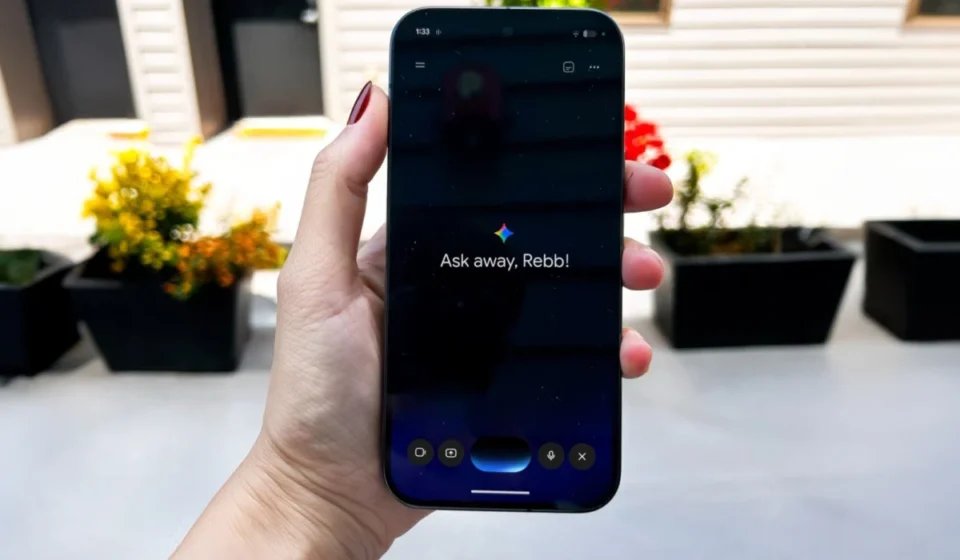
The artificial intelligence powering Google’s smart home ecosystem, Gemini, is also receiving a significant boost in performance and availability. Users who have experienced slight delays in response times for routine commands are set to benefit from improvements that make Gemini for Home up to 20% faster. This enhancement aims to create a more fluid and natural interaction, reducing the perceived lag between a voice command and the device’s action.
Furthermore, Google is expanding the global footprint of Gemini for Home, bringing its capabilities to six additional markets, including major regions like India and Brazil. This expansion signifies Google’s strategy to make its advanced AI features accessible to a broader international audience, catering to diverse user needs and languages. The improvements in speed and reach are crucial for solidifying Gemini’s role as a central intelligent agent within the smart home, making it a more reliable and efficient assistant for everyday tasks.
Energy Management Insights and Thermostat Flexibility
The latest updates also bring enhanced capabilities for managing home energy consumption, particularly for users of Nest thermostats. Starting in December, Nest thermostat owners in the United States and Canada will gain access to a new feature within the Google Home app that provides an estimated breakdown of their energy savings over time. This transparent reporting aims to empower users with a clearer understanding of the financial benefits derived from their smart thermostat’s energy-saving strategies, potentially encouraging more mindful energy usage.

Adding another layer of control and customization, Google is extending the capabilities of its fourth-generation Nest Learning Thermostat. The device will now support compatible third-party temperature sensors. This integration allows for more precise climate control across different zones within a home. Homeowners can now designate specific rooms that tend to be warmer or colder than others, enabling the thermostat to make more intelligent adjustments based on localized temperature readings. This feature is particularly valuable for larger homes or those with unique heating and cooling challenges, ensuring greater comfort and potentially further optimizing energy efficiency by avoiding unnecessary heating or cooling of unoccupied or less critical areas.
Strategic Evolution of the Smart Home Ecosystem
These updates collectively represent a strategic evolution for Google’s smart home offerings. Instead of introducing entirely new, complex functionalities, the company is focusing on refining and enhancing the core features that users already depend on. This approach addresses the common pain points and minor inconveniences that can detract from the perceived value of smart home technology. By making it easier to enter homes, providing more context for security events, speeding up AI interactions, and offering deeper insights into energy usage, Google is reinforcing the practical benefits of its ecosystem.
The emphasis on iterative improvement suggests a long-term vision where the smart home becomes more intuitive, efficient, and seamlessly integrated into daily life. For users who have invested in Google’s smart home devices, these incremental enhancements are poised to make a tangible difference in their day-to-day experiences, solidifying the value proposition of a connected home. The ability to store a digital key in Google Wallet, for instance, directly addresses a common user need for convenience and security. Similarly, the richer security alerts and faster AI responses contribute to a feeling of greater control and responsiveness within the home environment. The expanded energy insights for Nest thermostats also align with growing consumer interest in sustainability and cost savings.

Background and Context: A Maturing Smart Home Landscape
The smart home market has seen exponential growth over the past decade, moving from niche technology to mainstream adoption. Early smart home devices often focused on novelty and basic automation. However, as the market has matured, consumer expectations have shifted towards greater integration, enhanced security, improved user experience, and tangible benefits such as energy savings. Google, as a major player in this space with its Google Home and Nest product lines, has been actively working to meet these evolving demands.
The introduction of digital keys, for example, is a natural progression in the evolution of access control, building upon the widespread adoption of smartphones and contactless technologies. The integration of AI, such as Gemini, is crucial for making smart home systems more proactive and less reliant on explicit user commands for every action. Security has always been a paramount concern for homeowners, and the enhancements to Nest cameras reflect a trend towards more intelligent surveillance that provides actionable information rather than just raw data.
Furthermore, the increasing global awareness of climate change and the desire for cost savings are driving demand for more sophisticated energy management solutions. Nest thermostats have long been at the forefront of this category, and the latest updates, including support for third-party sensors and detailed savings reports, further solidify their position. These updates are not isolated events but rather part of a continuous development cycle aimed at making the smart home more accessible, reliable, and beneficial for a wider range of consumers worldwide.

Broader Implications for the Smart Home Industry
The direction Google is taking with its latest Google Home updates has broader implications for the entire smart home industry. The emphasis on seamless integration, enhanced AI capabilities, and practical user benefits sets a benchmark for competitors. As more users experience the convenience of keyless entry, the utility of context-aware security, and the efficiency of advanced AI assistants, demand for similar features across different platforms is likely to increase.
The move towards greater interoperability, such as the support for third-party sensors with Nest thermostats, also highlights a growing trend. Consumers are increasingly looking for smart home ecosystems that are not locked into a single brand. While Google’s updates primarily benefit its own ecosystem, the underlying technologies and concepts, like digital keys and AI-powered contextual analysis, could influence industry standards and encourage greater collaboration.
The success of these updates will ultimately be measured by user adoption and satisfaction. However, by focusing on tangible improvements that address everyday needs and enhance existing functionalities, Google appears to be on a path to further solidify its position as a leader in the smart home market, making the connected home experience more practical and valuable for millions. The continued refinement of AI and the expansion of core features signal a commitment to not just selling devices, but to building an intelligent and responsive home environment that truly serves its occupants.