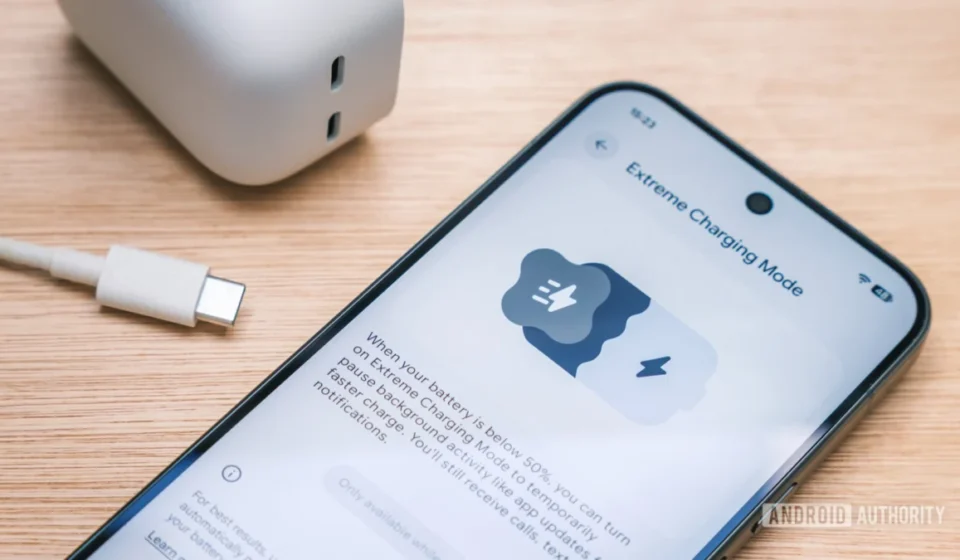
Google’s Pixel 10 Series Receives Extreme Charging Mode Amidst Broader Software Enhancements and Persistent Charging Concerns

Google’s highly anticipated November Pixel Drop has officially landed, bringing a suite of new functionalities spanning artificial intelligence, enhanced customization options, and various other features designed to elevate the overall Pixel user experience. Among these updates, a particularly noteworthy addition is the Extreme Charging Mode, a feature initially introduced with the latest Pixel 11 series, now making its way to last year’s Pixel 10 lineup. This mode is positioned as a solution to accelerate charging times by strategically pausing select background tasks, thereby creating additional thermal and power headroom for the charging process. However, initial assessments and further testing on the Pixel 10 series raise questions about the true efficacy and long-term implications of this "extreme" approach.
The Evolution of Pixel Feature Drops and Charging Philosophy
Google’s strategy of delivering substantial software updates through quarterly "Pixel Feature Drops" has become a cornerstone of the brand’s appeal, allowing older devices to benefit from innovations typically reserved for newer generations. These drops often encompass a mix of cutting-edge AI features, camera improvements, and quality-of-life enhancements, ensuring Pixel devices remain competitive and fresh throughout their lifecycle. The November 2026 update, for instance, integrated advanced AI capabilities like enhanced photo editing suggestions and more intuitive Assistant interactions, alongside a range of new lock screen customizations. It was within this broader context of continuous software evolution that Extreme Charging Mode, a feature previously exclusive to the flagship Pixel 11 Pro XL, was extended to the Pixel 10 series, including models like the Pixel 10 Pro XL.
Historically, Google’s Pixel line has maintained a conservative stance on charging speeds compared to many Android rivals. While competitors have aggressively pursued higher wattages and faster charging protocols, often achieving full charges in under 30 minutes, Pixel devices have typically offered more modest speeds. This approach has often been justified by Google as a measure to prioritize long-term battery health and longevity, minimizing the thermal stress associated with ultra-fast charging. However, this philosophy has also been a point of contention for users accustomed to the rapid top-ups offered by other brands, leading to a perception that Pixel charging capabilities lag behind industry standards. The introduction of Extreme Charging Mode can be viewed as Google’s attempt to address these criticisms without a fundamental overhaul of its charging hardware.
Unpacking Extreme Charging Mode: Technical Aspects and Google’s Intent
At its core, Extreme Charging Mode operates by temporarily optimizing the phone’s internal resource allocation. When activated, the system intelligently identifies and suspends or reduces the activity of non-essential background processes, such as app refreshes, certain cloud synchronizations, and potentially even some AI-driven ambient services. This reduction in background computational load directly translates to lower internal heat generation and less power consumption by the device’s components. By freeing up these resources, the phone’s charging circuitry can potentially draw and sustain higher power levels for longer durations without exceeding critical thermal thresholds that would otherwise force the charging speed to throttle down.
The underlying principle is to mitigate thermal throttling, a common mechanism in smartphones where charging rates are reduced to prevent overheating and protect the battery. By actively suppressing other heat-generating activities, Extreme Charging Mode aims to raise the permissible thermal ceiling for the charging process itself. Google’s implied rationale is to offer users an on-demand option for quicker top-ups when time is of the essence, acknowledging the demand for faster charging without necessarily investing in new, higher-wattage charging hardware across its entire product line. This software-driven optimization represents a different engineering approach compared to hardware-centric solutions like dual-cell batteries or specialized gallium nitride (GaN) chargers that are becoming increasingly prevalent in the premium smartphone segment.
Chronology of Implementation and Initial Impressions
Extreme Charging Mode first made its public debut alongside the launch of the Pixel 11 series earlier in the year. Initial reports from reviewers and early adopters noted a somewhat inconsistent user experience. For instance, the feature was reportedly arbitrarily disabled on some Pixel 11 units until the device had undergone a certain number of charging cycles, creating an initial hurdle for users eager to test its capabilities. When finally enabled, the mode on the Pixel 11 Pro XL was observed to shave approximately five minutes off the total charging time, a modest improvement that came at the cost of noticeably higher device temperatures during the charging cycle. This trade-off sparked debate among tech enthusiasts and reviewers regarding its overall value proposition, given the potential implications for long-term battery health.
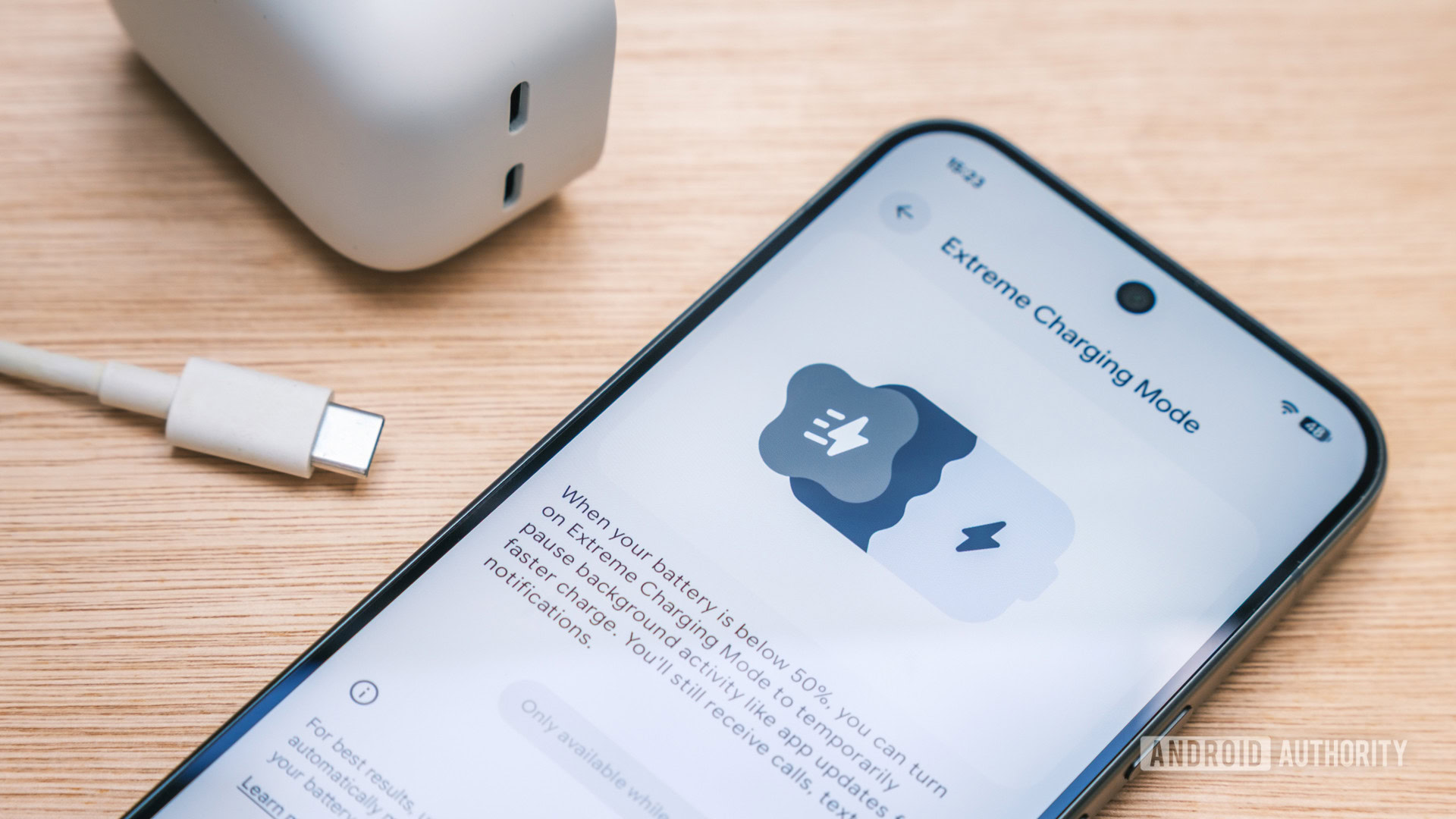
With the November Pixel Drop, the feature was extended to the Pixel 10 series. Upon receiving the update, the Extreme Charging Mode was immediately accessible on the Pixel 10 Pro XL unit used for testing, bypassing the initial enabling requirements seen on some Pixel 11 devices. This indicated either a refinement in the rollout process or specific device-level optimizations. Activating the feature is straightforward: users can toggle it on through the main settings menu after plugging in their device, respond to a prompted notification, or add a dedicated Quick Settings button for greater convenience. However, a crucial operational detail is that Extreme Charging must be manually enabled for each charging session, suggesting that Google does not envision it as a default, always-on feature, likely due to the inherent thermal management considerations and potential battery impact.
Pixel 10 Extreme Charging: Detailed Test Results and Analysis
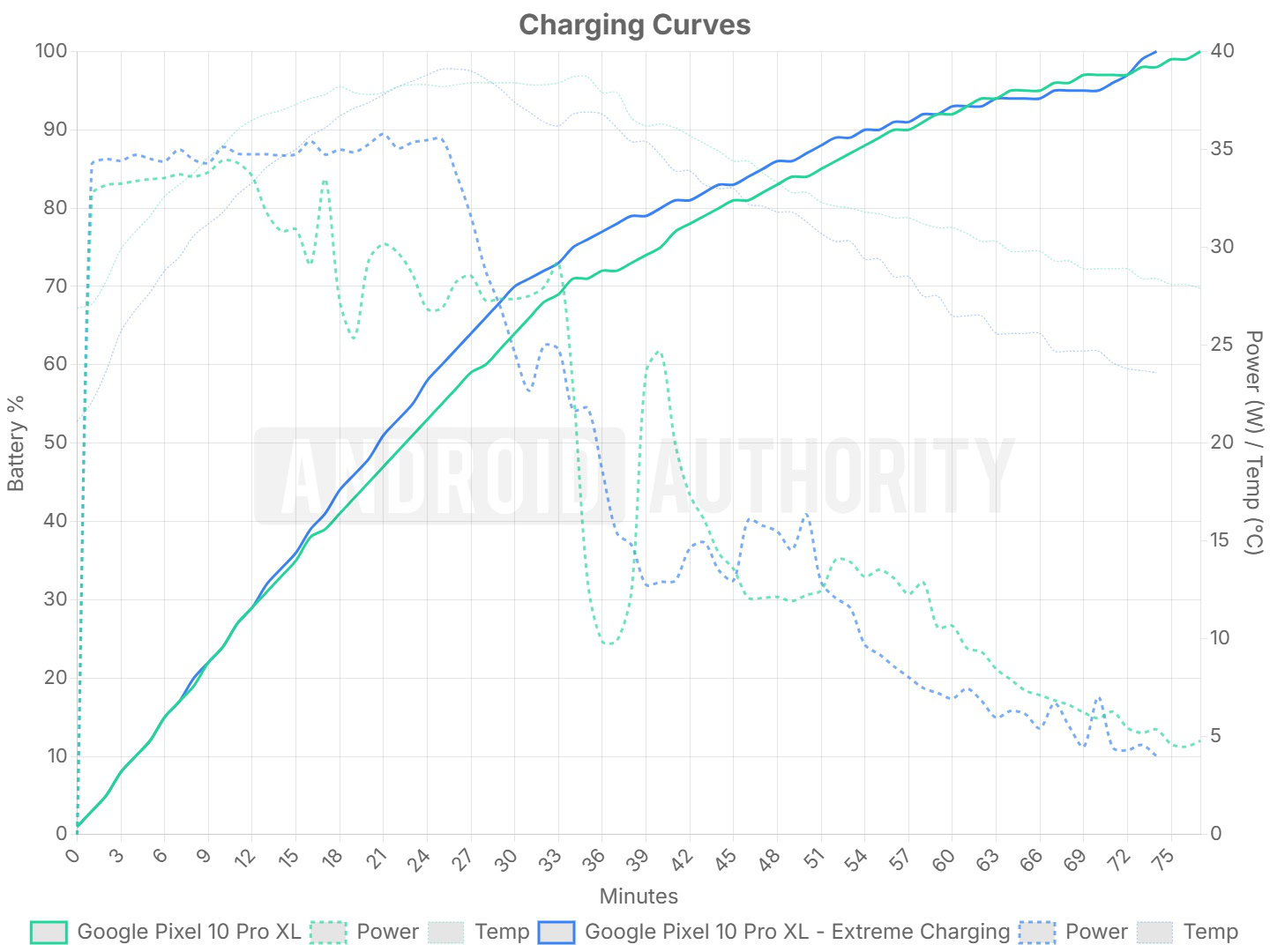
To thoroughly assess the performance of Extreme Charging on the Pixel 10 Pro XL, controlled tests were conducted using Google’s own Pixel Flex charger, a unit more than capable of delivering the device’s maximum charging input. It’s important to note a recurring observation: despite Google’s official claims of 45W charging capabilities for the Pixel 10 Pro XL, the device consistently drew a maximum of around 35W from any compatible charging accessory, including the official Google charger. This discrepancy between advertised and actual power draw is not uncommon in the industry, often attributed to factors like sustained vs. peak power delivery, thermal limitations, or specific battery charging algorithms designed to protect the cell.
The data revealed a clear pattern of operation for Extreme Charging Mode. With the feature enabled, the Pixel 10 Pro XL was able to sustain its peak fast-charging speeds, drawing between 30W and 35W, for approximately 25 minutes. In contrast, without Extreme Charging, the device maintained these peak speeds for only about 12 minutes before beginning to throttle down. This extended period of high-power delivery is the primary mechanism through which the mode aims to reduce overall charging time.
However, this sustained high power came with a measurable increase in device temperature. While the handset did become noticeably warmer to the touch, it did not reach a point that made it uncomfortable to hold, especially given the cooler ambient temperatures of a UK November. Nevertheless, the implications of this elevated temperature for long-term battery health are a significant concern. Lithium-ion batteries degrade faster when subjected to higher temperatures, potentially leading to reduced overall capacity and a shorter lifespan over many charging cycles.
Quantitatively, the impact on charging times was incremental rather than revolutionary:
- To 50%: Extreme Charging reduced the time by approximately 2 minutes.
- To 75%: A more significant reduction of 6 minutes was observed.
- Full Charge (0-100%): The total charging time dropped from a leisurely 81 minutes to 75 minutes.
While any reduction in charging time is welcome for a device often criticized for its slower speeds, a 6-minute improvement on an 81-minute charge is far from "extreme" in a market where many flagships can achieve a full charge in half that time or less.
User Scenarios and Practicality
The analysis of the charging curves and times reveals specific scenarios where Extreme Charging might offer a tangible benefit. For very short top-ups, say under 10 minutes, the mode provides no discernible advantage, as the initial charging power draw is largely identical whether the feature is on or off. Similarly, if a user has ample time (over an hour) to fully charge their Pixel 10 Pro XL, the 6-minute difference in total charge time is unlikely to be a deciding factor in activating the mode.
However, the sweet spot for Extreme Charging appears to be in situations requiring a moderate top-up within a limited timeframe. For example, if a user has approximately 30 minutes to charge their phone before heading out, Extreme Charging can make a meaningful difference. In this specific scenario, tests showed that the device could reach around 70% battery capacity with the mode enabled, compared to approximately 64% without it. This 6% boost could be crucial for ensuring the phone lasts through the remainder of a busy day, transforming a potential "red zone" battery situation into a more comfortable one. This suggests Google designed the feature for those specific moments when a quick, impactful battery boost is needed, rather than for routine, overnight charging.
Broader Implications: Battery Health, Competitive Landscape, and Google’s Strategy
The introduction of Extreme Charging Mode, while offering a marginal improvement in charging times, brings into sharp focus several broader implications for Google’s Pixel strategy and the wider smartphone industry.
Battery Health Concerns: The most significant concern revolves around the long-term health of the device’s battery. Google itself has implemented features like Adaptive Charging and Optimized Charging, which are specifically designed to prolong battery lifespan by intelligently managing charging cycles and reducing stress. Extreme Charging, by allowing higher temperatures, potentially contradicts these protective measures. While the device may not become "uncomfortably" hot, sustained elevated temperatures, especially in warmer climates or during heavy phone usage while charging, are known accelerators of lithium-ion battery degradation. Over time, this could lead to a faster reduction in overall battery capacity and a shorter useful life for the device, a trade-off that many users might find unacceptable for a mere 6-minute reduction in full charge time. Google’s past issues with battery safety and management on various devices, including its Pixel Watch lineup, only amplify these concerns, leading to a natural hesitation among users to regularly engage a feature that prioritizes speed over potential longevity.
Competitive Disadvantage: The "Extreme" moniker itself feels like a misnomer when juxtaposed against the current landscape of smartphone charging technology. Leading Android manufacturers have made significant strides in fast charging. Brands like OnePlus, Xiaomi, Oppo, and Vivo routinely offer charging solutions ranging from 65W to well over 100W, with some even pushing towards 240W, capable of fully charging devices from empty to 100% in as little as 10 to 30 minutes. These advancements are often supported by innovations such as dual-cell battery designs, which allow for higher power input without excessive heat, and silicon-carbon battery technologies that offer increased energy density and faster charging capabilities, even reaching capacities of 8,000mAh in some specialized devices. Compared to these industry leaders, a Pixel 10 Pro XL taking 75 minutes to charge, even with Extreme Charging enabled, positions Google’s offerings far from the cutting edge. Apple, while also conservative, offers faster charging on its latest iPhones, often reaching 50% in about 30 minutes.
Google’s Strategic Sticking Plaster: From a strategic standpoint, Extreme Charging Mode appears less like a genuine leap forward in charging technology and more like a software-based "sticking plaster" designed to mitigate a persistent hardware deficiency. It avoids the more substantial investment required for developing genuinely faster charging hardware, more robust thermal management systems, or advanced battery chemistry. While software optimizations are crucial, they can only push existing hardware so far. For Pixel devices to truly compete in the premium segment, especially in markets where fast charging is a significant purchasing factor, a more fundamental re-evaluation of their power delivery architecture seems necessary. This includes exploring higher wattage power controllers, more efficient battery designs, and advanced cooling solutions.
Conclusion: A Modest Improvement with Lingering Questions
Having now evaluated Extreme Charging Mode on both the Pixel 11 Pro XL and the Pixel 10 Pro XL, the feature presents itself as a double-edged sword. On one hand, any option to expedite the charging process for Pixel users, who have long endured comparatively slower speeds, is a welcome addition. The ability to shave a few minutes off the total charge time, particularly for those crucial 30-minute top-ups, does offer a practical benefit in specific, time-sensitive scenarios.
However, the utility of Extreme Charging is ultimately limited by the underlying hardware. It does not fundamentally transform the Pixel’s charging profile but rather extends the duration of its peak power draw by managing internal tasks and tolerating higher temperatures. The gains are modest, and the "extreme" descriptor feels more like marketing hyperbole than an accurate reflection of its performance compared to industry benchmarks. The trade-off between a marginal increase in charging speed and the potential for accelerated battery degradation due to increased thermal stress is a significant concern that Google has yet to fully address.
Until Google commits to more substantial investments in genuinely faster charging hardware, more capable batteries, and superior thermal management systems for its Pixel lineup, features like Extreme Charging Mode will continue to feel like stop-gap measures. While better than nothing, they underscore the need for foundational improvements rather than software-based optimizations to keep pace with an increasingly competitive and technologically advanced smartphone market.