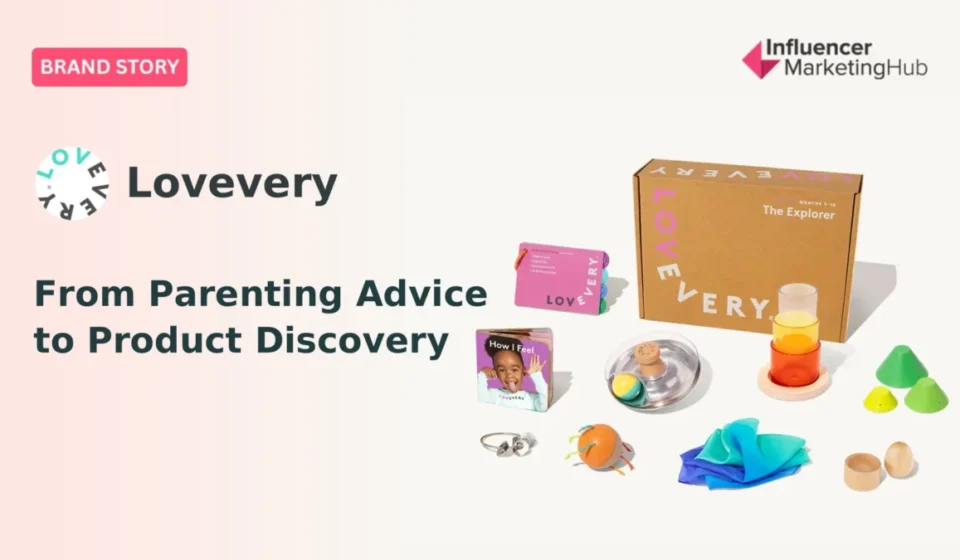

The convergence of early childhood developmental science and high-growth e-commerce has redefined the traditional toy industry, moving it away from passive entertainment toward active, stage-based learning. At the forefront of this shift is Lovevery, a direct-to-consumer (DTC) brand that has successfully bridged the gap between educational parenting content and seamless product discovery. By positioning itself not merely as a manufacturer of physical goods but as a comprehensive resource for neurodevelopmental insights, the company has established a symbiotic relationship between what parents need to know and the tools they need to implement that knowledge. This strategy has allowed Lovevery to scale rapidly in a competitive global toy market, which is projected to reach over $150 billion by 2030, according to industry analysts.
The Strategic Foundation of Educational Commerce
Lovevery was co-founded in 2017 by Jessica Rolph, the former co-founder of Happy Family (organic baby food), and Roderick Morris, a veteran of the social impact and energy sectors. The company’s value proposition was built on a singular observation: parents are often overwhelmed by the volume of choices in the toy aisle and the lack of clarity regarding which products actually support specific developmental milestones. Rolph’s background in the organic food industry, where she successfully advocated for transparency and nutritional standards, informed the Lovevery approach to "brain food" for infants and toddlers.
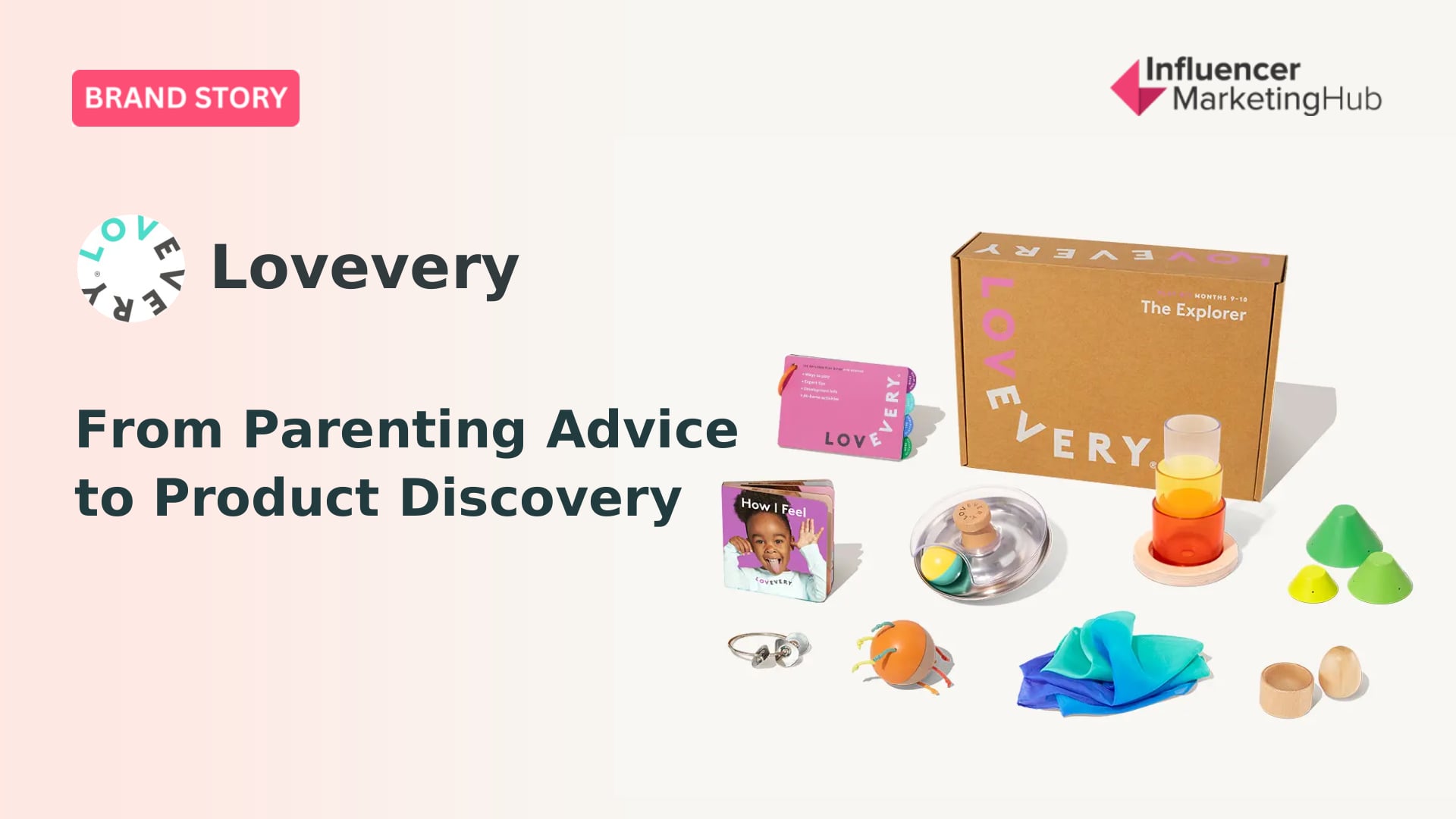
The company’s primary engine for growth is its subscription-based "Play Kits." These kits are delivered every two to three months, tailored to a child’s specific age in months. However, the physical products—ranging from Montessori-inspired wooden blocks to sensory mats—are only one half of the equation. Each kit is accompanied by a "Play Guide," a dense, research-backed manual that explains the "why" behind the "what." This integration of content ensures that the product discovery process is rooted in education rather than impulse purchasing.
Chronology of Growth and Market Expansion
The trajectory of Lovevery reflects a calculated expansion from a single flagship product to a global ecosystem of developmental tools.
- 2017: Lovevery launches with "The Play Gym," a product designed to support a year of development through five sensory zones. It quickly becomes a staple on baby registries, winning awards for its aesthetic and functional design.
- 2018: The company introduces its signature subscription model, the Play Kits for the first 12 months of life. This shifts the business model from one-off sales to recurring revenue.
- 2019: Expansion into the toddler years begins, with kits designed for children ages one to two. The company also launches its mobile app, providing digital content and expert advice to complement the physical kits.
- 2020: During the global pandemic, as parents seek home-based educational resources, Lovevery sees a surge in demand. They introduce kits for three-year-olds and expand their digital content library to include "The Everywhere Lab," a series of activities using household items.
- 2021: Lovevery secures $100 million in Series C funding led by TCG (The Chernin Group), with participation from Bessemer Venture Partners and others. This capital is earmarked for international expansion and product diversification.
- 2022-2023: The brand enters the European and UK markets and establishes a significant retail partnership with Target, placing curated versions of their products in physical stores to capture a wider demographic.
Data-Driven Content and Influencer Integration
The success of Lovevery’s content-led discovery model is supported by a sophisticated social media strategy that prioritizes authenticity over traditional advertising. According to market data from influencer marketing platforms, the parenting and "mommy blogger" niche remains one of the most high-engagement sectors on Instagram and TikTok. Lovevery has leveraged this by building a community of "brand enthusiasts" rather than just paid spokespeople.
The company’s influencer strategy focuses on "The Everywhere Lab" concept, where creators show the toys in use within a realistic, albeit aesthetically pleasing, home environment. This visual content serves as a discovery mechanism for new parents who may be searching for developmental milestones. When a parent searches for "how to help my 6-month-old sit up," they are likely to encounter Lovevery content that explains the motor skills involved, naturally leading them to the "Senser" Play Kit.
Internal data and third-party reviews suggest that the retention rate for Lovevery subscribers is significantly higher than the industry average for subscription boxes. This is largely attributed to the "content stickiness" of the Play Guides and the digital app, which keep parents engaged with the brand even between delivery cycles.
The Role of Expert Panels and Research
To maintain its position as an authority in child development, Lovevery employs a multidisciplinary panel of experts, including Montessori educators, occupational therapists, speech-language pathologists, and neuroscientists. This panel serves as the editorial backbone for the company’s content.
"Our goal is to distill complex developmental science into actionable moments for parents," the company has stated in various corporate communications. By citing specific research—such as the importance of high-contrast imagery for newborn visual development or the role of "object permanence" in cognitive growth—Lovevery transforms a simple toy into a developmental necessity. This "expert-backed" narrative is a powerful tool for product discovery, as it provides a psychological justification for the premium price point of the kits.
Impact on the Toy Industry and Consumer Behavior
Lovevery’s model has had a profound impact on the broader toy industry, forcing established giants like Mattel and Hasbro to reconsider their approach to the "infant and preschool" categories. The shift toward sustainable materials (FSC-certified wood, organic cotton) and minimalist design is a direct response to the aesthetic and ethical standards popularized by Lovevery.
Furthermore, the brand has influenced how parents consume information. We are seeing a move away from "entertainment-first" toys—which often feature loud lights and sounds that can overstimulate developing brains—toward "open-ended" play. Market analysts note that Lovevery has successfully tapped into the "conscious parenting" movement, where purchasing decisions are viewed as an extension of a parent’s values and educational philosophy.
Financial Performance and Global Reach
The financial implications of Lovevery’s content-to-commerce bridge are evident in its valuation and growth metrics. While private, reports following its 2021 funding round suggested the company was approaching a valuation near $800 million. Its expansion into over 30 countries indicates a universal demand for structured, developmental play.
The subscription model provides a predictable revenue stream that allows the company to reinvest in high-quality content production. This creates a "flywheel effect": better content leads to more informed parents, who then discover and subscribe to more products, which in turn funds further research and content creation.
Challenges and Broader Implications
Despite its success, Lovevery faces challenges inherent in the DTC space. Rising customer acquisition costs (CAC) on platforms like Meta and Google have forced many brands to pivot back to traditional retail. Lovevery’s partnership with Target is a strategic move to mitigate these costs and reach parents who may not be active in the "educational influencer" spheres.
Additionally, the premium pricing of the kits remains a barrier for some demographics. To address this, the company has focused on "content accessibility," providing free developmental information via their blog and social channels to build brand equity even among those who may not yet be subscribers.
The broader implication of Lovevery’s success is the validation of the "content-first" e-commerce model. In an era where consumers are increasingly skeptical of direct advertising, providing value through education has proven to be a more effective way to drive product discovery. For the parenting industry, this means that the brands of the future will likely be those that can act as trusted advisors, not just manufacturers.
As Lovevery continues to expand its reach into the later years of childhood and deepens its digital offerings, it remains a case study in how to align product development with consumer education. By connecting the dots between a child’s neurological needs and the physical objects in their environment, Lovevery has turned parenting content into a powerful engine for commercial discovery.