
Samsung Introduces Galaxy Buds On, Marking a Strategic Shift into Open-Ear Wireless Audio with Advanced AI Integration.

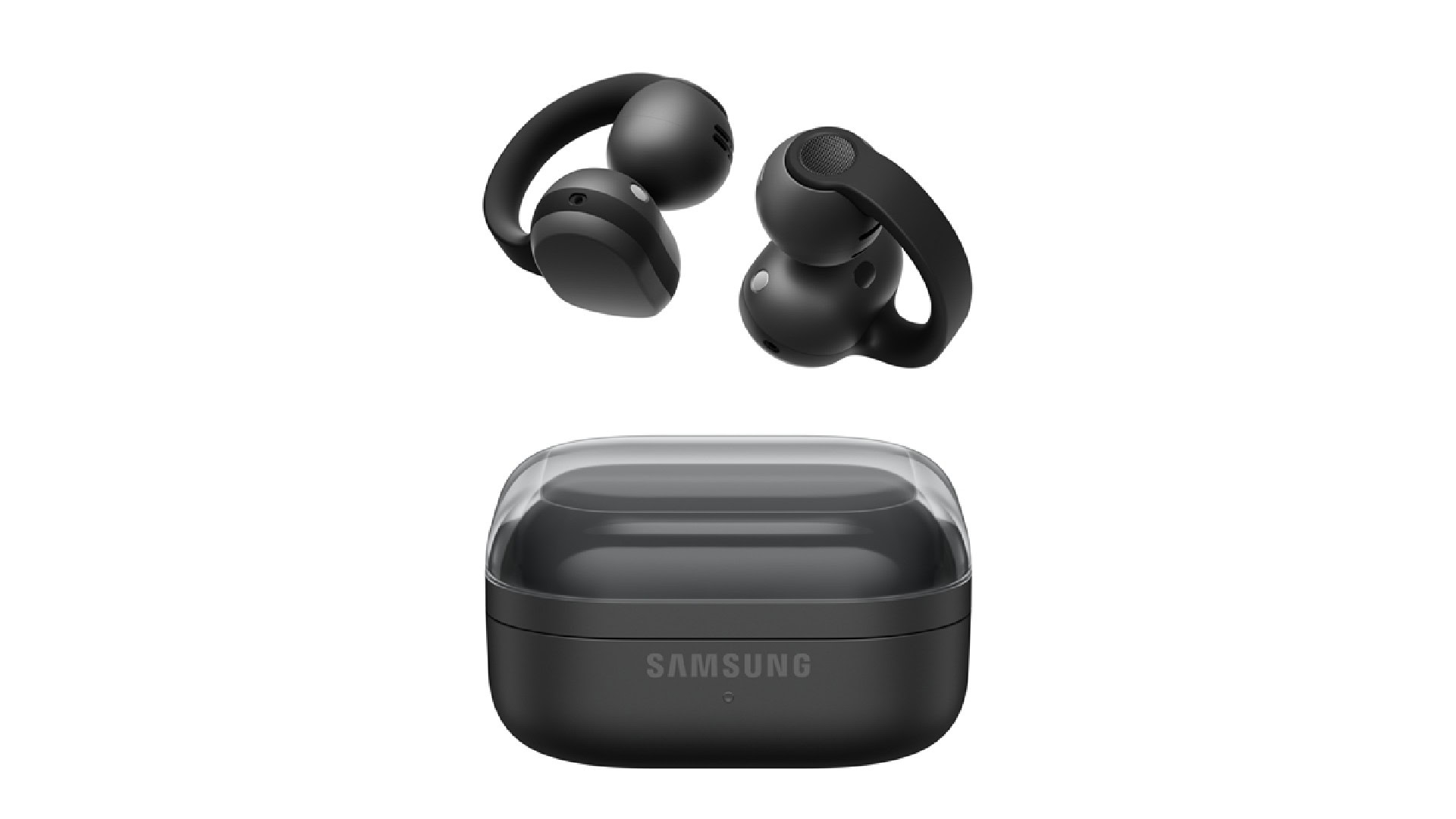
Samsung Electronics has discreetly expanded its renowned Galaxy Buds lineup with the official unveiling of the Galaxy Buds On, representing the company’s inaugural foray into the clip-on, open-ear wireless earbud segment under its prominent audio branding. This significant product launch occurred in conjunction with the US debut of the Galaxy Tab S12 series and the SmartTag 3, though it received notably less promotional fanfare than its tablet and tracking counterparts. The introduction of the Galaxy Buds On confirms long-standing industry rumors, signaling Samsung’s strategic intent to diversify its wireless earbud offerings beyond the traditional in-ear canal designs that have characterized previous generations of Galaxy Buds.
A New Paradigm in Wearable Audio: The Open-Ear Design
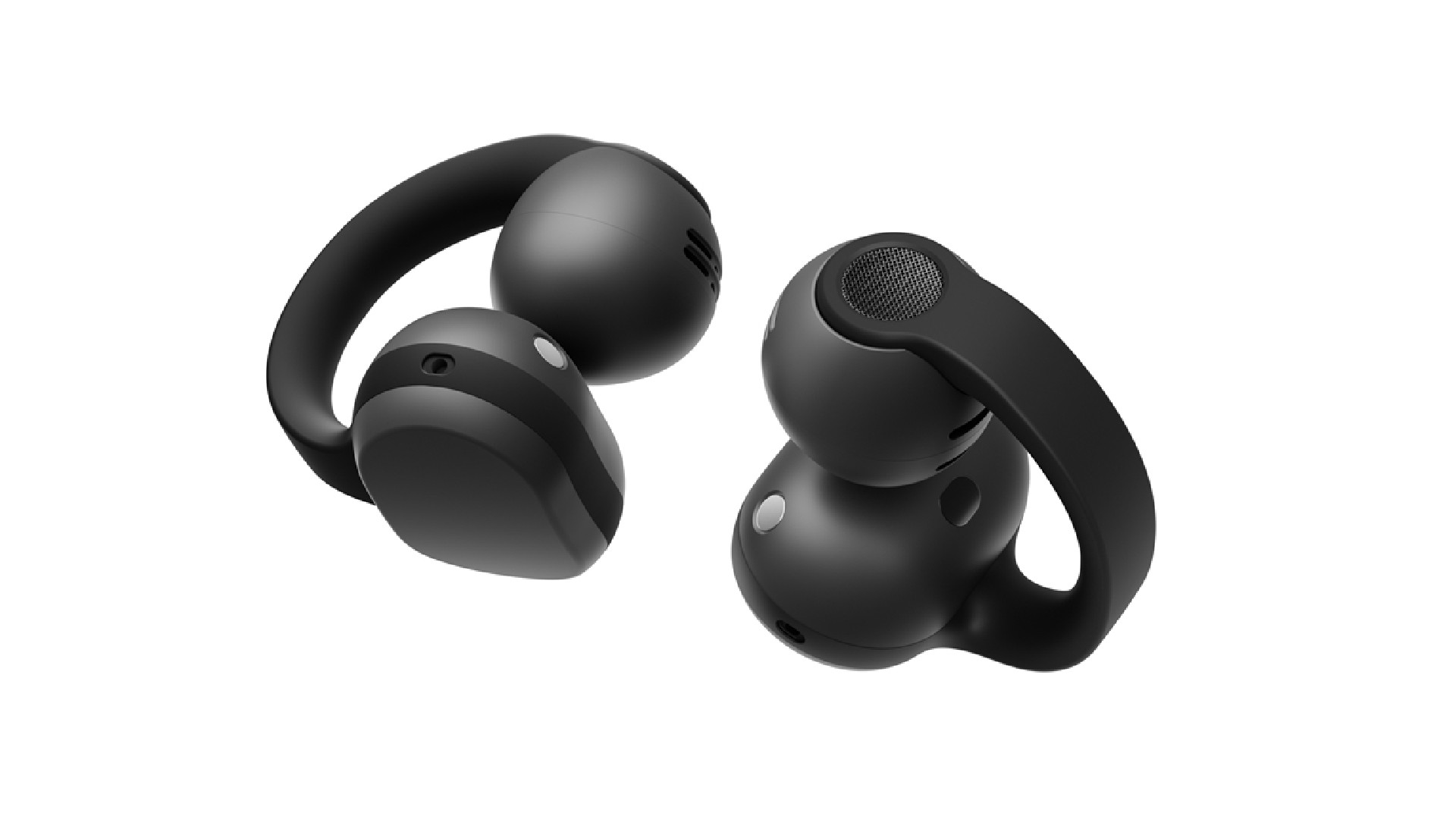
The most distinguishing feature of the Galaxy Buds On is its innovative clip-on architecture, which fundamentally departs from the in-ear canal fit of models like the Galaxy Buds Pro, Buds 2, or Buds Live. Instead, these new earbuds are engineered to rest securely around the outer ear, leaving the ear canal entirely open. This design philosophy prioritizes situational awareness, allowing users to remain connected to their ambient environment while simultaneously enjoying audio content or engaging in calls. This approach stands in contrast to noise-canceling earbuds, which are designed to create an isolated listening experience.
Samsung’s official statements emphasize that this open-ear configuration aims to reduce the physical strain often associated with extended use of in-ear headphones, a common complaint among a segment of earbud users. The company reports an exhaustive research and development process, involving the analysis of diverse ear shapes and extensive computational simulations. This rigorous methodology was employed to meticulously optimize the placement of internal components, such as speakers and batteries, ensuring both ergonomic comfort and acoustic performance. The resulting design boasts an increased contact area, which is crucial for distributing pressure more evenly across the ear. Furthermore, the elasticity of the clip-on band has been precisely calibrated to guarantee a secure fit, even during dynamic movements, catering to active lifestyles.
User interaction with the Galaxy Buds On is streamlined through intuitive touch controls. A light tap on the rear surface of either earbud enables users to manage essential functions, including music playback, call handling, and potentially activating voice assistants, thus maintaining a hands-free experience.
Audio Innovation and Environmental Adaptation
Despite their open-ear design, Samsung has integrated several advanced audio technologies into the Galaxy Buds On to deliver a compelling listening experience. Central to their acoustic profile are the "TwinBoost speakers," a proprietary development aimed at enhancing low-frequency performance. In open-ear designs, bass response can be a challenge due to the lack of a sealed ear canal. The TwinBoost technology is designed to mitigate this inherent characteristic, striving to provide a richer and more impactful sound profile than might typically be expected from this form factor.
Beyond mere audio output, the earbuds feature an automatic volume control system. This intelligent functionality dynamically adjusts the audio level in response to the surrounding environmental noise, ensuring optimal listening clarity without requiring manual intervention from the user. For instance, volume might subtly increase in a bustling street environment and decrease in a quiet indoor setting.
A critical challenge for open-ear designs is managing sound leakage, where audio from the earbuds can be heard by others nearby. Samsung addresses this with its "Audio Leakage Reduction" feature. While specific technical details of this feature remain under wraps, its inclusion underscores Samsung’s awareness of the privacy and nuisance concerns associated with open-ear audio and its commitment to minimizing such issues. This feature is particularly relevant in shared spaces, allowing users to enjoy their audio without disturbing those around them.
Core Specifications and Performance Underpinning
At the heart of the Galaxy Buds On’s processing capabilities lies Qualcomm’s Snapdragon S7 Gen 1 Sound Platform. This advanced audio chipset is a cornerstone for delivering high-quality wireless audio, offering robust connectivity, efficient power management, and sophisticated audio processing algorithms. The integration of a high-efficiency Class-D amplifier further contributes to the earbuds’ ability to deliver clear and powerful sound while conserving battery life.
In terms of endurance, Samsung claims up to 9.5 hours of continuous music playback on a single charge. This figure positions the Galaxy Buds On favorably within the broader wireless earbud market, particularly for a device that does not rely on active noise cancellation, which typically consumes more power. This extended battery life caters to users who require prolonged listening sessions, whether for work, commutes, or leisure activities, without frequent recharging interruptions.
Revolutionizing Communication: Intelligent Clear Call Technology
Recognizing the paramount importance of clear voice communication in modern wireless earbuds, Samsung has equipped the Galaxy Buds On with its "Intelligent Clear Call technology." This sophisticated system leverages a multi-faceted approach to isolate and enhance the wearer’s voice, even in challenging auditory environments. The setup includes three dedicated microphones per earbud, strategically positioned to capture voice signals effectively. Complementing these microphones is a bone-conduction-based Voice Pickup Unit (VPU) sensor. The VPU detects vibrations in the wearer’s jawbone and skull, which are directly related to speech, providing a clearer and more reliable voice signal than air-borne sound alone, especially in noisy conditions. This raw data is then processed through advanced machine learning algorithms, which are trained to differentiate the wearer’s voice from ambient background noise. Samsung asserts that this combination ensures calls remain exceptionally clear, even when the user is in bustling urban environments or other cacophonous settings.
The Integration of Galaxy AI: Enhanced Smart Features
A key differentiator for the Galaxy Buds On, particularly when paired with a compatible Galaxy smartphone or tablet, is its deep integration with Samsung’s suite of Galaxy AI features. This strategic linkage aims to extend the utility of the earbuds beyond mere audio playback and communication, transforming them into a more powerful interface for intelligent interaction.
One prominent AI-powered feature is the hands-free access to Gemini Live. Users can simply utter the phrase, "Hey Google, let’s talk live," while wearing the Buds On to initiate a conversation with Google’s advanced AI assistant. This capability streamlines interaction, allowing users to get information, set reminders, or control smart home devices without needing to physically interact with their smartphone.
Another notable AI-driven function is Quick Voice Memo. By long-pressing the touch-sensitive area on an earbud, users can instantly begin recording a voice memo. What sets this apart is the subsequent integration with Bixby. These recorded memos can later be searched and retrieved using Bixby voice commands, eliminating the need to scroll through a list of recordings on the phone. This feature requires a Galaxy AI-supported device, Samsung’s Voice Recorder application, and the Bixby app, with users needing to configure the long-press action within the settings. This showcases an effort to create a more seamless and intuitive workflow for capturing fleeting thoughts or important information.
Furthermore, the Galaxy Buds On introduce "Head Gestures," an innovative control mechanism that allows users to perform specific actions through natural head movements. This feature enables users to answer or end calls, dismiss alarms, or even have message notifications read aloud by simply nodding or shaking their head. This hands-free control is particularly beneficial in situations where users’ hands are occupied, such as during cooking, exercising, or driving, enhancing convenience and accessibility.
Market Context and Strategic Implications
The launch of the Galaxy Buds On signifies Samsung’s acknowledgment of a growing niche within the highly competitive wireless earbud market: the demand for open-ear audio solutions. While in-ear earbuds dominate the market, offering superior sound isolation and often more potent bass, a segment of consumers prioritizes situational awareness, comfort during extended wear, and a feeling of less invasiveness. Companies like Shokz have long championed bone-conduction and open-ear designs, while others like Sony (with its LinkBuds) and Huawei (with FreeClip) have also explored similar concepts. Bose also has its own line of open-ear earbuds.
Samsung’s entry into this segment with the Galaxy Buds On is a strategic move to broaden its appeal and cater to a wider range of user preferences. By offering an alternative to its traditional in-ear Buds, Samsung positions itself as a comprehensive provider of audio wearables, capable of meeting diverse needs, from immersive noise cancellation to ambient awareness. This diversification not only strengthens the Galaxy ecosystem but also allows Samsung to tap into user bases that might have previously opted for competitor products due to specific design preferences. The quiet launch, however, suggests a cautious initial approach, potentially gauging market reaction before a more aggressive global push.
Pricing and Availability: Initial Rollout and Global Prospects
The Galaxy Buds On are scheduled for their initial launch in Samsung’s home market, South Korea, on October 27. They will debut in a single black color option and carry a price tag of 299,000 Korean Won, which approximately converts to $220 USD at current exchange rates. This pricing positions them in the premium segment of the wireless earbud market, reflecting the advanced technology, innovative design, and AI integration.
While Samsung has confirmed that the earbuds will subsequently roll out to other global markets, specific details regarding international pricing and availability for individual regions have yet to be announced. This staggered release strategy is common for major tech companies, allowing them to refine logistics and marketing strategies based on initial regional performance. The global rollout will be a key indicator of Samsung’s ambition for this new product line and its potential to challenge established players in the open-ear audio space.
Looking Ahead: The Future of Open-Ear Audio
The introduction of the Galaxy Buds On represents more than just another product launch for Samsung; it signifies a strategic pivot in its wearable audio philosophy. By embracing the open-ear design and integrating its robust Galaxy AI ecosystem, Samsung is exploring new avenues for user experience, emphasizing comfort, awareness, and intelligent interaction. The success of the Galaxy Buds On will likely depend on their ability to deliver on these promises, offering a compelling balance of audio quality, ergonomic design, and smart features that justify their premium positioning. As the wearable technology market continues to evolve, Samsung’s venture into open-ear audio with AI integration could set a new benchmark for how users interact with their digital world, subtly shifting preferences towards devices that enhance, rather than completely isolate, their connection to their surroundings.