JerryRigEverything Dissects Samsung Galaxy S26 Ultra, Unveiling Major Internal Redesigns for Camera, Thermals, and S Pen

Just days after its global open sale commenced, the highly anticipated Samsung Galaxy S26 series, particularly the flagship S26 Ultra, has undergone its customary internal examination by renowned tech durability tester Zack Nelson, better known as JerryRigEverything. Nelson’s latest teardown, released on his popular YouTube channel, deviates from his usual battery of scratch, bend, and burn tests, instead offering a deep dive into the meticulously engineered interior of Samsung’s newest premium smartphone. This comprehensive dissection reveals several significant design innovations and strategic engineering choices made by the South Korean tech giant, underscoring its continuous push for performance, photographic excellence, and refined user experience.
The Significance of the Teardown: A Glimpse Under the Hood
The Samsung Galaxy S26 series, officially unveiled at Samsung’s Unpacked event earlier this year, quickly moved from pre-order phases to open sale, generating considerable buzz in the smartphone market. Flagship devices like the S26 Ultra represent the pinnacle of mobile technology, incorporating cutting-edge components and sophisticated design. While external aesthetics and advertised features often capture initial attention, the internal architecture dictates a device’s true capabilities, longevity, and repairability. This is where Zack Nelson’s teardowns provide invaluable insight. Known for his methodical approach and clear explanations, Nelson’s videos serve as a crucial resource for consumers, engineers, and industry analysts alike, offering an unfiltered look at how these complex devices are constructed. His latest video, specifically focusing on the S26 Ultra’s internals, sheds light on Samsung’s strategic engineering decisions for 2026.
Revolutionizing Mobile Photography: The ALOP Camera System
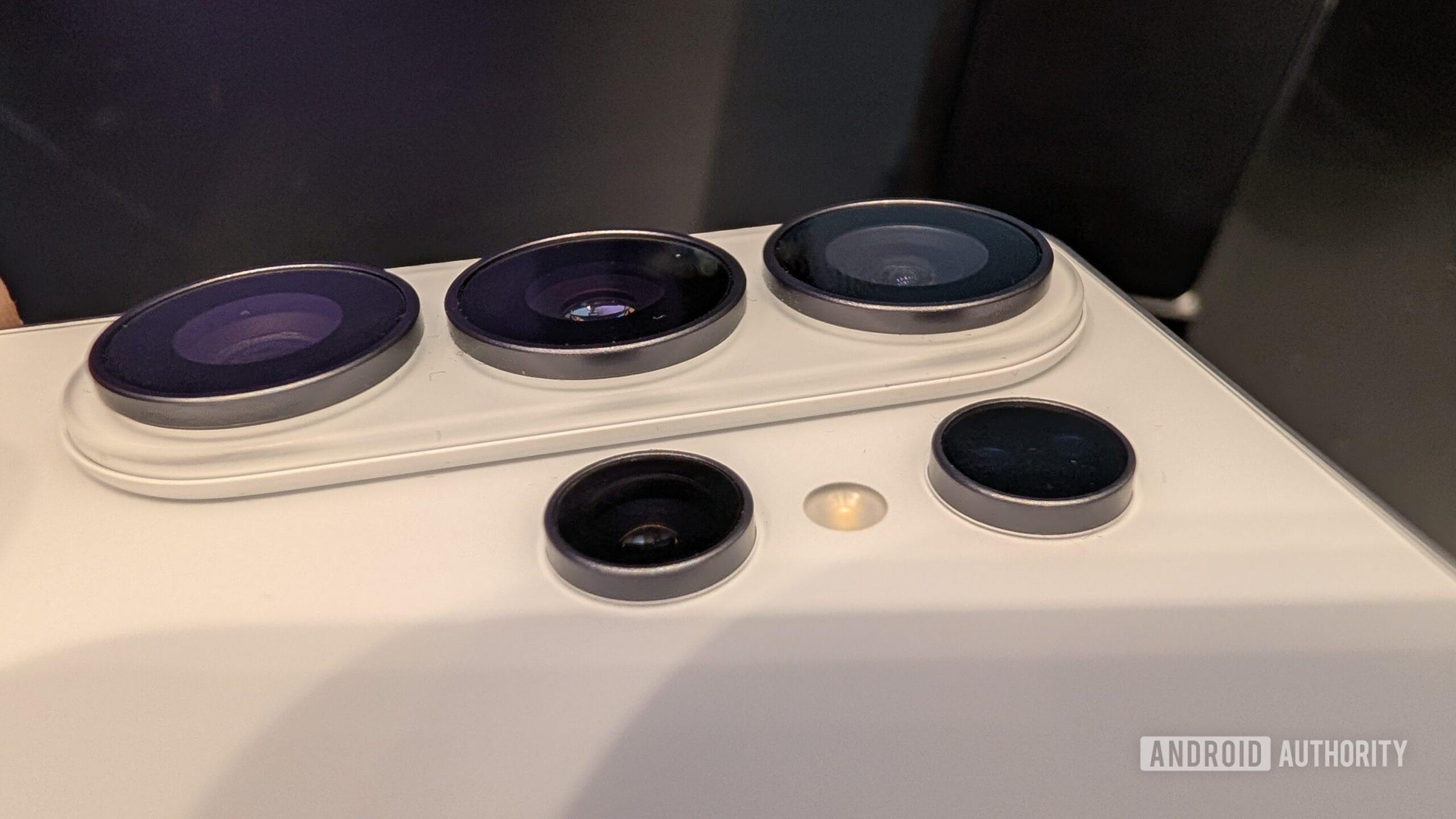
One of the most striking revelations from Nelson’s teardown concerns the redesigned telephoto camera module within the Galaxy S26 Ultra. Samsung has consistently positioned its Ultra line at the forefront of mobile photography, and the S26 Ultra appears to continue this tradition with a notable optical advancement. Both the S26 Ultra and its predecessor, the Galaxy S25 Ultra, feature a 50-megapixel 5x telephoto camera equipped with optical image stabilization (OIS). However, the S26 Ultra introduces a critical enhancement: a significantly improved aperture.
Nelson’s examination confirms that the S26 Ultra’s telephoto lens boasts an aperture of f/2.9, a considerable upgrade from the S25 Ultra’s f/3.4. This change, as highlighted by Nelson, translates to approximately a 37% increase in light gathering capability. A wider aperture allows more light to reach the sensor, which is paramount for superior image quality, especially in challenging low-light conditions. This technical improvement is directly aimed at bolstering Samsung’s "Nightography" features, promising brighter, clearer, and more detailed photographs after dusk.
What makes this aperture improvement even more remarkable is that Samsung achieved it while simultaneously reducing the physical size of the camera module. The S26 Ultra’s telephoto unit is 22% shorter than its predecessor, a feat of miniaturization that allows for more efficient internal space utilization within the smartphone’s chassis. This engineering marvel is attributed to a new design paradigm Samsung refers to as ALOP, or "All Lenses On Prism."
In conventional periscope telephoto camera designs, the prism, which bends light 90 degrees to allow for a longer focal length within a slim phone body, typically sits in front of the lens stack. This arrangement can sometimes partially obstruct incoming light and contribute to the overall module thickness. With ALOP, Samsung has innovatively repositioned the lenses directly onto the prism itself. Nelson’s video provides a clear visual demonstration of this intricate rearrangement, showing how the optical elements are now integrated more seamlessly with the light-bending prism. This ingenious design minimizes light loss and allows for a more compact module without compromising, and in fact enhancing, optical performance. The direct benefit is a camera that can capture more light with greater efficiency, leading to higher quality images, particularly in dimly lit environments, and providing a competitive edge in the fiercely contested mobile photography landscape.
Enhanced Thermal Management for Peak Performance
Beyond camera innovation, the teardown also unveiled substantial upgrades to the S26 Ultra’s thermal management system. Modern flagship smartphones, powered by increasingly potent chipsets like the Snapdragon 8 Elite Gen 5 for Galaxy in the S26 Ultra, generate considerable heat, especially during intensive tasks such as gaming, 4K/8K video recording, and running complex AI algorithms. Effective heat dissipation is crucial for maintaining sustained performance and preventing thermal throttling, which can significantly degrade user experience.
Nelson’s dissection revealed that Samsung has enlarged the S26 Ultra’s vapor chamber cooling system by approximately 15%. A vapor chamber is a highly efficient heat transfer device that uses the principles of evaporation and condensation to move heat away from critical components. By increasing its size, Samsung has provided a larger surface area and volume for this heat exchange process. While this larger vapor chamber now occupies a more prominent portion of the phone’s internal real estate, its presence is a clear indicator of Samsung’s commitment to optimizing the device’s thermal performance.
The implication of this larger cooling system is significant. It suggests that the Galaxy S26 Ultra is designed to handle demanding workloads for longer periods without experiencing performance degradation. This directly benefits power users, mobile gamers, and creators who rely on their smartphones for high-intensity tasks. It also underpins the phone’s ability to effectively leverage its advanced AI capabilities, which often require substantial computational power and, consequently, efficient thermal management to operate optimally. This design choice highlights a broader industry trend where sophisticated cooling solutions are becoming as vital as the processing units themselves in ensuring a premium user experience.
A Look at Repairability and Internal Design Details
In an era where "right-to-repair" movements are gaining traction globally, the ease of disassembling and repairing a device is an increasingly important factor for consumers and regulators. Nelson’s teardown offered some positive insights into the S26 Ultra’s repairability. The back panel, a common entry point for repairs, was shown to be relatively easy to remove with the application of heat, suggesting that the adhesive used is manageable. Furthermore, the battery, often a wear-and-tear component, appeared to be straightforward to access and remove, a welcome development for extending the lifespan of the device. This contrasts with some manufacturers who use excessive glue, making battery replacement a challenging and often costly endeavor. While not fully modular, these aspects suggest a more repair-friendly approach compared to some industry peers.
Another small but interesting detail observed by Nelson was the inclusion of tiny internal balls within the speaker modules. This seemingly minor addition is an acoustic engineering trick designed to mitigate the "tinny" sound often produced by compact smartphone speakers. These small elements help to dampen vibrations and improve resonance, contributing to a richer and more nuanced audio output. Such attention to detail underscores Samsung’s holistic approach to user experience, extending beyond headline features to subtle enhancements.
The Ingenious S Pen Housing and Display Conundrums
The S Pen has been a defining feature of Samsung’s Ultra flagships since the integration of the Note series, and its secure housing is critical for both functionality and device integrity. Nelson expressed particular satisfaction in examining the S Pen’s internal parking spot, noting that Samsung has securely isolated it from the main body of the phone’s internal components. This dedicated and sealed channel is a crucial design element, primarily intended to prevent liquid ingress into the phone’s sensitive electronics through the S Pen opening. This thoughtful engineering contributes significantly to the S26 Ultra’s overall water and dust resistance, enhancing its durability in everyday use.
A minor but notable detail regarding the S Pen was also highlighted: the stylus from the previous Galaxy S25 Ultra is slightly thinner than the new S26 Ultra S Pen, rendering it incompatible with the new slot. While not a functional issue for new S26 Ultra owners, it’s a small design change that prevents backward compatibility for users upgrading from the previous generation, implying minor internal structural adjustments around the S Pen’s dimensions.
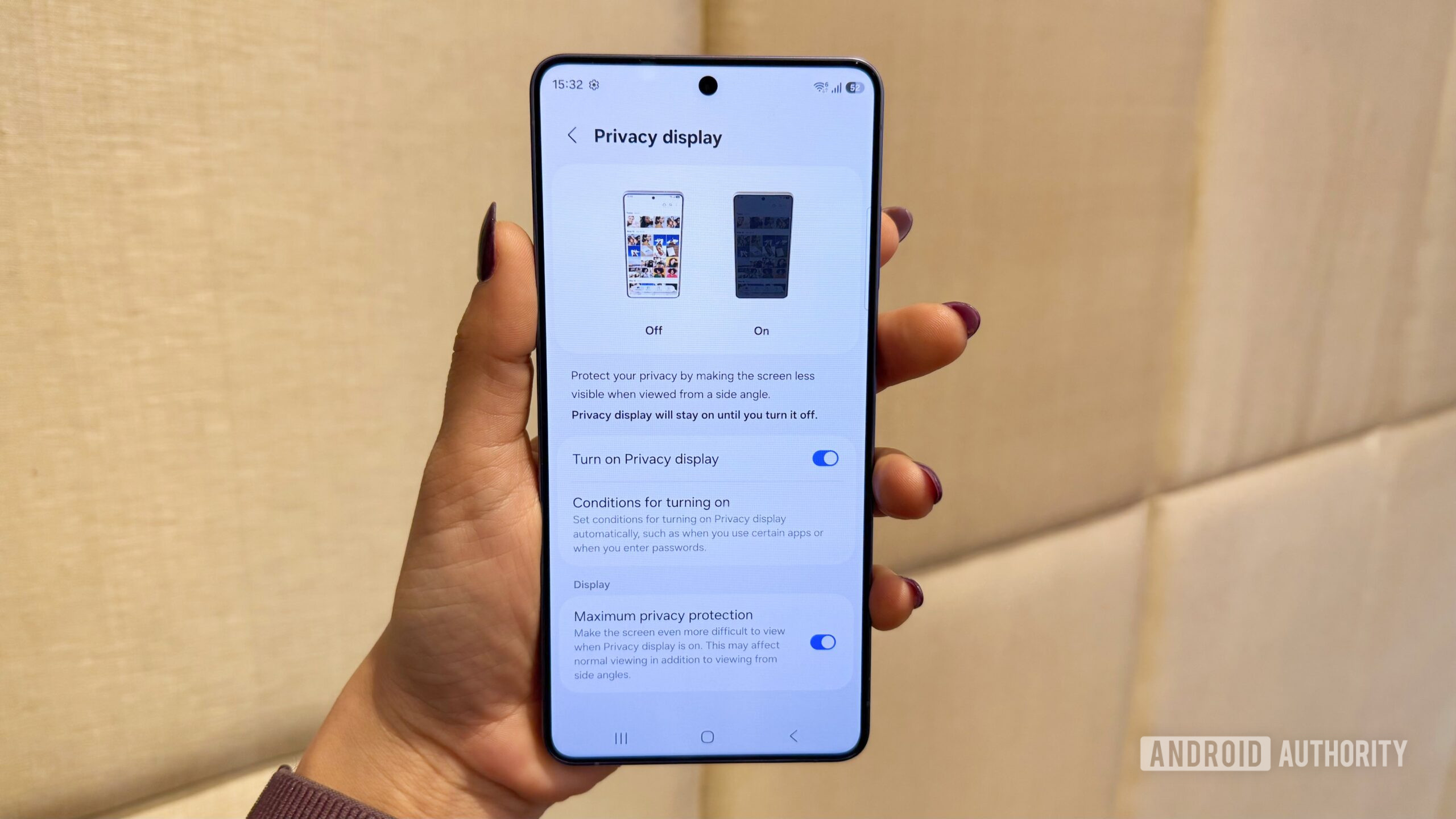
The teardown also touched upon the Galaxy S26 Ultra’s new "Privacy Display" feature. While Nelson did not delve into a detailed dissection of the display itself, he offered a plausible speculation regarding a noticeable change from the S25 Ultra: the apparent absence or downgrade of the anti-glare coating that was present on its predecessor. Nelson theorized that the anti-glare coating on the S25 Ultra might have interfered with the optical properties or functionality of the S26 Ultra’s new privacy screen technology. Combining multiple specialized display layers, such as anti-glare and privacy filters, can introduce complex optical challenges and potential trade-offs. While this explanation has not been officially confirmed by Samsung, it provides a logical technical rationale for the perceived change, suggesting that Samsung prioritized the new Privacy Display feature, which limits viewing angles to protect sensitive information, over the anti-glare capabilities. This illustrates the intricate balance engineers must strike when integrating multiple advanced display technologies, often necessitating compromises in other areas.
Broader Implications and Industry Context
The internal innovations revealed in the Galaxy S26 Ultra teardown have broader implications for the smartphone industry. Samsung’s continued investment in periscope telephoto technology, exemplified by the ALOP design, signals a renewed focus on optical zoom capabilities, pushing beyond digital enhancements. This could spur other manufacturers to redouble their efforts in advanced camera hardware, fostering a new wave of photographic innovation in mobile devices.
Similarly, the beefed-up thermal management system reflects the increasing demands placed on smartphone processors by emerging technologies like on-device AI. As AI capabilities become more integral to the user experience, efficient cooling will be non-negotiable for sustained performance, influencing future design paradigms across the industry.
Finally, the balance between intricate engineering and repairability remains a critical discussion point. While some aspects of the S26 Ultra’s design appear to facilitate repairs, the overall complexity of modern flagships still presents challenges. However, any step towards easier battery replacement is a positive sign for consumer rights and environmental sustainability, aligning with global movements advocating for longer device lifespans.
In conclusion, Zack Nelson’s teardown of the Samsung Galaxy S26 Ultra provides a fascinating and insightful look into the sophisticated engineering that defines a modern flagship smartphone. From the groundbreaking ALOP camera system and enhanced thermal management to the meticulously designed S Pen housing and the intriguing display trade-offs, each revelation underscores Samsung’s relentless pursuit of innovation and its strategic choices in a highly competitive market. These internal advancements are not merely technical curiosities; they are foundational elements that directly contribute to the S26 Ultra’s performance, durability, and overall user experience, setting a benchmark for the next generation of mobile technology.