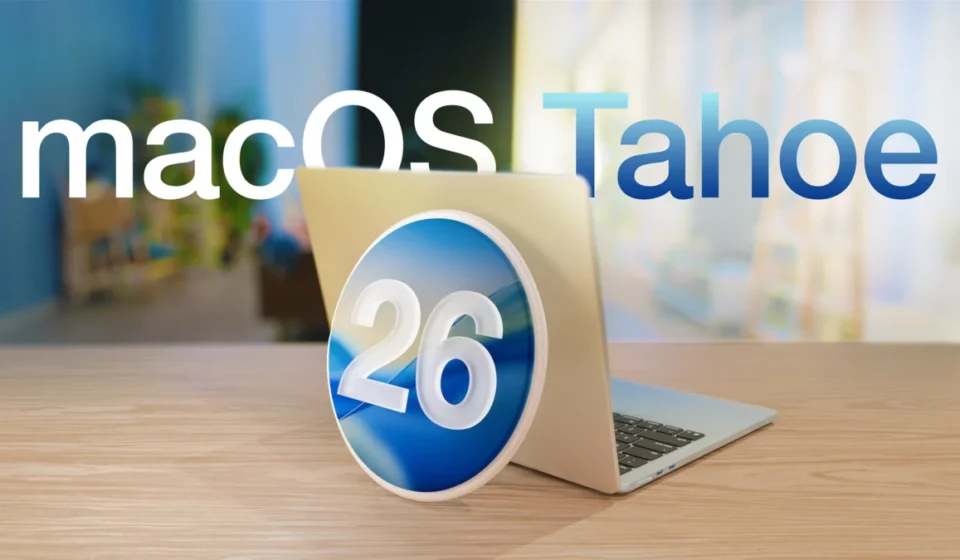
MacOS Tahoe 26.4 Released with Safari Tab Bar Return, Charge Limit, and Rosetta 2 Phase-Out Preparations

Apple has officially launched macOS Tahoe 26.4, the fourth significant update to its macOS Tahoe operating system. This release arrives approximately six weeks after the rollout of macOS Tahoe 26.3, continuing Apple’s cadence of providing regular enhancements and feature refinements for its Mac user base. The update is now available for download through the Software Update section within the System Settings application on all compatible Mac devices.
Key Features and Enhancements in macOS Tahoe 26.4
The latest iteration of macOS Tahoe brings a suite of notable improvements, catering to both user preference and the ongoing evolution of Apple’s software ecosystem. A highly anticipated return for many users is the compact tab bar option in Safari. This feature, which was previously removed, allows users to reclaim screen real estate by presenting tabs in a more condensed format, a preference for those who manage numerous open web pages simultaneously. This move signals Apple’s responsiveness to user feedback and its commitment to offering customizable user interface elements.
Beyond interface adjustments, macOS Tahoe 26.4 introduces a new "Charge Limit" feature for MacBooks. This functionality empowers users to set a maximum charging level for their device’s battery, ranging from 80% to 100%. This is a significant addition for battery health management, as consistently charging a lithium-ion battery to its full capacity can, over time, contribute to degradation. By allowing users to cap the charge, Apple is providing tools to potentially extend the lifespan of their MacBooks’ batteries, a move that aligns with a growing consumer focus on sustainability and device longevity.
The update also incorporates the addition of eight new emoji characters, expanding the expressive capabilities within macOS. While seemingly minor, emoji additions are a consistent part of Apple’s OS updates, reflecting broader trends in digital communication and cultural expression.
Perhaps one of the most impactful, albeit subtle, changes in macOS Tahoe 26.4 is the introduction of warnings for applications that are slated to cease functioning in future macOS versions. This proactive notification system is directly tied to Apple’s strategic deprecation of Rosetta 2. Rosetta 2 is Apple’s translation layer that enables Intel-based Mac applications to run on Macs powered by Apple silicon (M-series chips). The company has previously announced its intention to end support for Rosetta 2 after macOS 27. Consequently, applications that continue to rely on Rosetta 2 will now display a popup alert within macOS 26.4, informing users that these apps will no longer be compatible starting with macOS 28. This prepares users and developers for the complete transition to native Apple silicon applications, a process that began with the introduction of the M1 chip in late 2020.
Family Sharing and Freeform App Updates
In line with the recent iOS 26.4 update, macOS Tahoe 26.4 also brings a notable enhancement to Family Sharing. Adult members of an Apple Family Sharing group can now choose to use their own individual payment methods for purchases, rather than being restricted to a single, shared payment method designated for the group. This offers greater financial flexibility and privacy for family members, particularly for older children or young adults who may have their own means of payment but are still part of a family account for app and service sharing.
Furthermore, the Freeform app, Apple’s collaborative digital whiteboard application, receives an integration with "Apple Creator Studio." While the specifics of this integration are not detailed in the initial release notes, it suggests an enhancement to the creative and collaborative capabilities within Freeform, potentially offering new tools or workflows for content creation and ideation.
Background and Context: The Evolution of macOS
The release of macOS Tahoe 26.4 is part of a larger evolutionary path for Apple’s desktop operating system. Launched in the latter half of 2025, macOS Tahoe succeeded macOS Sonoma, bringing with it a host of foundational changes and new features. Each subsequent point release, such as 26.4, serves to refine these features, address bugs, and introduce incremental improvements that collectively enhance the user experience and maintain the security and stability of the platform.
The transition from Intel processors to Apple’s own silicon has been a defining narrative for macOS over the past several years. Rosetta 2 has been instrumental in facilitating this transition, providing a safety net for users and developers. However, as Apple’s silicon has matured and its performance advantages have become more pronounced, the company has progressively moved towards a fully native Apple silicon ecosystem. The phased deprecation of Rosetta 2, culminating with its removal after macOS 27, is a clear indicator of this long-term strategy. Developers are strongly encouraged to recompile their applications to run natively on Apple silicon to ensure continued compatibility and optimal performance for their users.
Timeline of Recent macOS Updates
To contextualize the release of macOS Tahoe 26.4, here is a brief chronology of recent macOS major and significant point releases:
- macOS Sonoma (25.x): Launched in late 2025, establishing the foundation for the current generation of macOS.
- macOS Tahoe 26.0: The initial release of the Tahoe operating system, introducing its core feature set.
- macOS Tahoe 26.1, 26.2, 26.3: Subsequent minor updates, primarily focused on bug fixes, security patches, and performance optimizations.
- macOS Tahoe 26.4: The current release, bringing the aforementioned feature enhancements and preparatory measures for future OS iterations.
The six-week interval between macOS Tahoe 26.3 and 26.4 suggests a continued focus on refining the user experience and addressing any emergent issues following the previous update. This regular release cycle allows Apple to quickly iterate on its software, ensuring a stable and feature-rich environment for its users.
Analysis of Implications
The return of the compact Safari tab bar is a testament to Apple’s listening capabilities, demonstrating a willingness to reintroduce features that resonate with a segment of its user base. This flexibility in UI design can foster greater user satisfaction and adaptability.
The introduction of the Mac Charge Limit feature directly addresses growing concerns about battery longevity and the environmental impact of electronic waste. By providing users with tools to manage their battery health proactively, Apple is not only enhancing the perceived value of its devices but also aligning with sustainability initiatives. This feature could set a precedent for how users interact with their device’s power management in the future.
The warnings regarding Rosetta 2 deprecation are a crucial step in managing the transition to an all-Apple silicon future. While it may prompt some users to seek updated versions of their older applications or explore alternatives, it also serves as a clear signal to developers that the time to fully embrace Apple silicon is now. This will ultimately lead to more optimized, efficient, and powerful applications across the Mac platform. The proactive notification system aims to mitigate potential disruption by giving users advance notice and encouraging them to prepare for the change.
The enhancement to Family Sharing’s payment options reflects a broader trend towards personalized digital experiences and greater control over personal finances, even within shared digital ecosystems. This change acknowledges the evolving financial independence of individuals within a family unit.
The integration with Apple Creator Studio for Freeform suggests Apple’s ongoing investment in its productivity and collaboration suite. As remote and hybrid work models continue to be prevalent, tools that facilitate seamless collaboration and creative expression are increasingly vital.
Broader Impact on the Apple Ecosystem
macOS Tahoe 26.4’s updates are not isolated events but are interwoven with the broader Apple ecosystem. The shared Family Sharing changes with iOS 26.4 highlight Apple’s commitment to a consistent user experience across its devices and operating systems. This cross-platform synergy is a hallmark of Apple’s strategy, ensuring that users can seamlessly transition between their iPhone, iPad, and Mac.
The continued push towards native Apple silicon applications, signaled by the Rosetta 2 phase-out, will likely lead to a more robust and performant Mac App Store. Developers who have fully transitioned their apps will be able to leverage the full power of Apple’s custom silicon, resulting in faster load times, improved energy efficiency, and enhanced capabilities. This benefits not only the end-user but also fosters innovation within the developer community.
As Apple continues to refine macOS Tahoe, the focus remains on delivering a stable, secure, and feature-rich experience. The incremental nature of point releases like 26.4 demonstrates a methodical approach to software development, ensuring that each update builds upon the strengths of its predecessors while paving the way for future advancements. Users can anticipate continued refinements and potentially new features as Apple progresses towards the next major macOS release.