Meta’s Muse Charm AI Companion Unveiled as Apple Reportedly Pauses AI Pendant Development

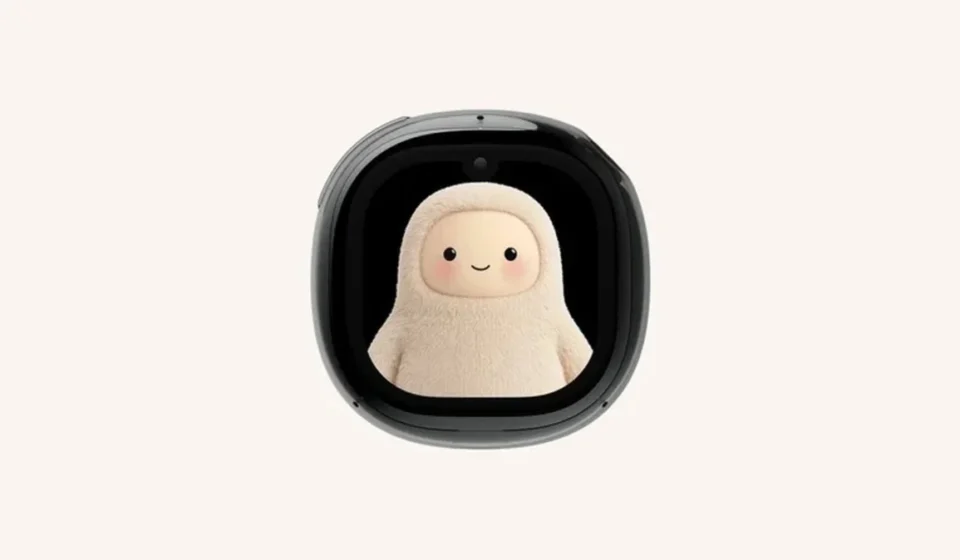
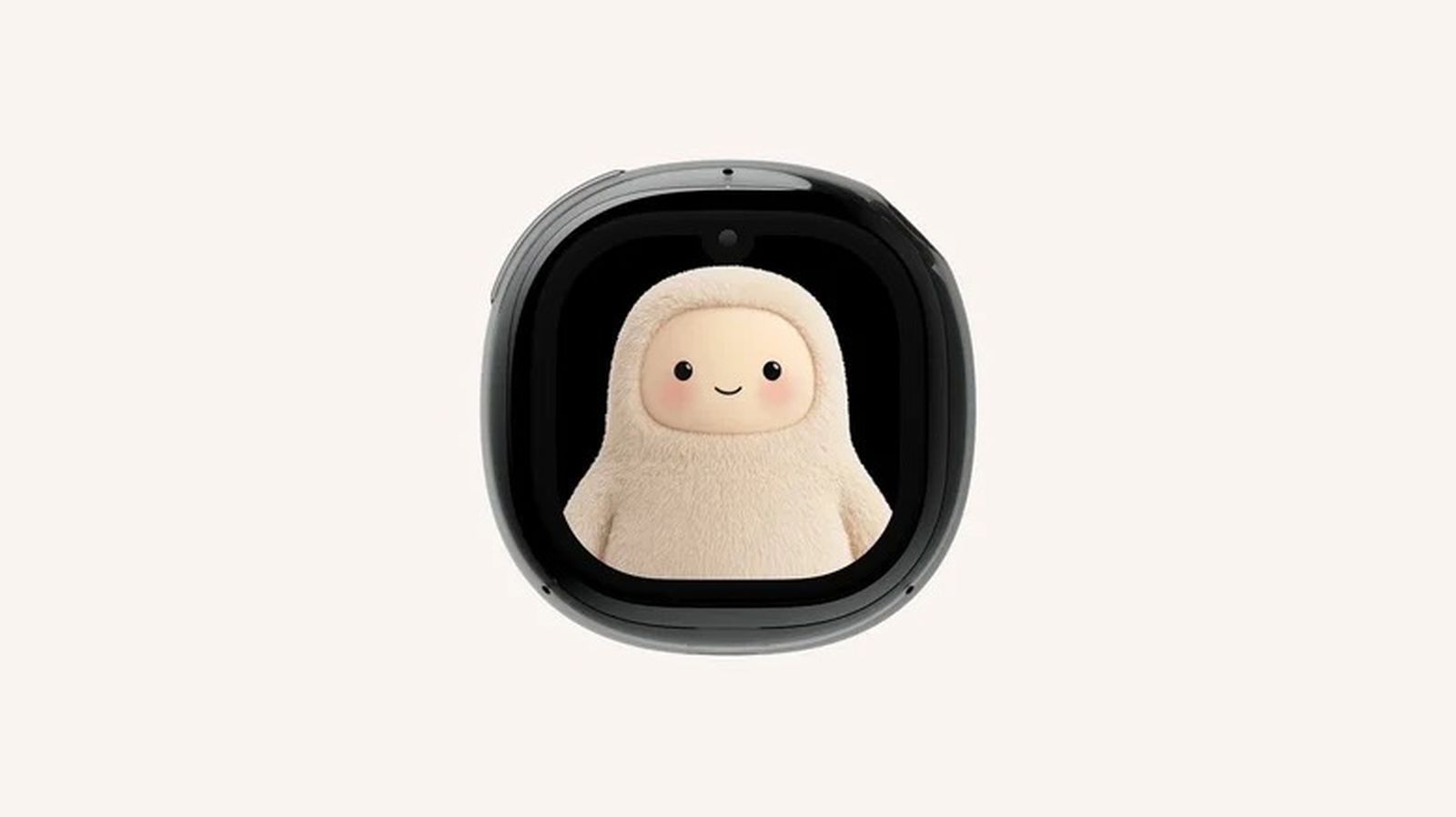
Meta unveiled the Muse Charm, a compact, interactive AI companion device, at its annual Connect event on Wednesday, signaling a significant push into the nascent artificial intelligence hardware market. This announcement comes as reports suggest Apple has shelved its own plans for an AI pendant, positioning Meta as a frontrunner in a rapidly evolving sector. The Muse Charm, described as a puck approximately the size of an Apple Watch, features a dynamic, tamagotchi-like avatar designed for seamless conversation with Meta’s Muse AI. This development marks a pivotal moment in the ongoing race to integrate advanced AI into everyday, wearable technology.
The Muse Charm: A Pocket-Sized AI Companion
Mark Zuckerberg, Meta’s CEO, presented the Muse Charm during his signature "one more thing" segment at the Connect event, highlighting its innovative approach to AI interaction. "Muse Charm is a delightful and fun device built for you to talk and interact with your Muse," Zuckerberg stated. "It brings the power of Muse with a state-of-the-art real-time voice model into a device that fits in your pocket." The device aims to democratize access to advanced AI by embedding its capabilities into a highly portable and accessible form factor.
The Charm’s design prioritizes immediate usability. Users can initiate conversations with their Muse AI by simply tapping a fingerprint sensor integrated into the device’s corner. This bypasses the need to unlock a smartphone or launch a dedicated application, offering an unprecedented level of instant access to AI assistance. Zuckerberg emphasized this convenience, noting, "You just go ahead and tap here in the fingerprint sensor in the corner, and you can start talking without having to unlock a phone or open an app." This hands-free, app-free interaction model is a significant departure from current AI access methods, which often involve a series of taps and voice commands through existing smart devices.
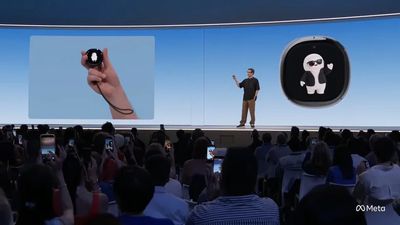
Meta envisions the Muse Charm as a constant, readily available AI assistant. "We packed the whole Muse experience, including the whole real-time voice and avatar stack, into something that fits on a keychain and is always available to talk to," Zuckerberg elaborated. He further underscored its utility for users not wearing smart glasses, stating, "So if you’re not wearing glasses, this is going to be by far the fastest way to talk to your Muse and to show what’s going on around you." The device is slated for release by the holiday season, a strategic move to capitalize on seasonal consumer spending and capture early market share in the AI hardware space.
Context of the AI Hardware Race
The unveiling of the Muse Charm occurs against a backdrop of intense competition and shifting strategies in the AI hardware landscape. Apple’s reported decision to pause development on its AI pendant, as detailed by industry sources, suggests a re-evaluation of its approach to integrating AI into personal devices. This move, if confirmed, leaves a significant gap in Apple’s nascent AI hardware portfolio, a space where competitors like Meta are now aggressively investing.
The AI hardware market is experiencing rapid growth, driven by advancements in large language models and a growing consumer appetite for seamless, integrated AI experiences. Counterpoint Research data from the first half of 2026 indicates a staggering 263% year-over-year increase in worldwide AI glasses shipments. While this data primarily pertains to AR/VR devices, it reflects a broader trend towards wearable AI. Apple’s own rumored smart glasses, which are expected to enter this market, are predicted to focus on display-less functionality initially, accounting for 96% of shipments in this category, further emphasizing the current direction of the market. Meta’s multi-pronged approach, encompassing both dedicated AI companions and enhanced smart glasses, suggests a comprehensive strategy to dominate this emerging frontier.
Meta’s Broader Hardware Ecosystem: VR Glasses and Next-Gen Ray-Ban Smart Glasses
Beyond the Muse Charm, Meta’s Connect event showcased a significant expansion of its hardware offerings, particularly in the virtual and augmented reality space. The company introduced new Meta VR Glasses, designed to be significantly lighter and more immersive than previous iterations. These glasses feature a tethered puck for storage and battery, a crucial design choice to minimize weight on the headset itself. Weighing a mere 100 grams, they are five times lighter than the Meta Quest 3. This weight reduction is a critical factor for user comfort during extended virtual reality sessions.
The new VR glasses boast advanced display technology with a 5K resolution and full-color passthrough video, enabling a more realistic blend of virtual and real-world elements. For context, the M5 Apple Vision Pro, a direct competitor in the high-end spatial computing market, weighs between 750-800 grams, highlighting the substantial engineering effort Meta has invested in reducing the physical footprint of its VR hardware.
Meta claims the VR glasses will deliver "cinema-grade clarity" with support for Dolby Vision and Dolby Atmos spatial audio, promising an immersive entertainment experience. The device’s versatility is further demonstrated by its compatibility with all Quest headset games and its support for Xbox Cloud Gaming. Additionally, users can connect the glasses to a PC or Mac, utilizing a virtual keyboard and trackpad for desktop control. The Meta VR Glasses are scheduled for release in the spring with a starting price of $1,300, positioning them as a premium offering in the VR market.
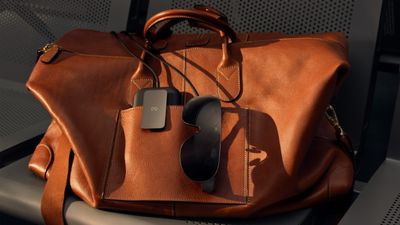
In a move to address past criticisms and enhance the appeal of its wearable technology, Meta also unveiled an audio-only version of its Ray-Ban smart glasses. This new model, aiming to shed the "pervert glasses" stigma associated with camera-equipped wearables, focuses on media playback and call capabilities. It offers an impressive 12-hour battery life on a single charge, with an additional 48 hours provided by its charging case. Pre-orders for the audio-only glasses are now open, with shipments commencing on October 13th, starting at $349.
Meta has not abandoned its camera-equipped Ray-Ban smart glasses. The third-generation model is receiving a significant refresh, featuring a slimmer design and a dedicated button for activating Meta AI. This iteration promises an extended nine-hour battery life, an improvement over the previous eight-hour duration. A new six-microphone array is designed to significantly reduce background noise, enhancing audio clarity for calls and AI interactions, with the company claiming it can cut out over 90 percent of ambient sound. The 12MP camera supports 3K video capture, with future integration of Dolby Atmos Spatial Audio planned. Available in multiple styles, these updated Ray-Ban Meta smart glasses will start at $449.
Furthermore, Meta is expanding the functionality of its AI glasses by introducing an FDA-cleared hearing enhancement feature later this year. This feature will be accessible through a Meta One subscription or as a one-time purchase of $149, with a 30-day free trial also being offered. This addition underscores Meta’s strategy to imbue its wearable devices with a broader range of practical, health-oriented functionalities.
Strategic Implications and Future Outlook
Meta’s aggressive expansion into AI-powered hardware, from the novel Muse Charm to its advanced VR and enhanced smart glasses, signals a clear intent to lead the next wave of personal technology. The Muse Charm, in particular, represents a bold attempt to redefine the concept of a personal AI assistant, moving it from the digital realm into a tangible, always-on physical device. This strategy could capture a significant market segment seeking immediate and intuitive AI interactions without the friction of traditional interfaces.
The success of the Muse Charm will likely depend on its ability to deliver on the promise of seamless, context-aware AI assistance. Factors such as the AI’s responsiveness, the accuracy of its voice recognition, and the perceived utility of its avatar interface will be critical. The integration of a real-time voice model and a sophisticated avatar stack suggests a commitment to creating a truly engaging and personalized AI experience.
Meta’s dual strategy of developing both dedicated AI companions and enhancing existing product lines like the Ray-Ban smart glasses with AI capabilities allows it to cater to a wider range of consumer needs and preferences. By leveraging its existing brand recognition and distribution channels, Meta is well-positioned to rapidly scale its AI hardware offerings.
The contrast with Apple’s reported pause on its AI pendant development is noteworthy. While Apple has historically excelled at integrating new technologies into its ecosystem, its approach is often characterized by a more deliberate and refined rollout. Meta’s more aggressive, first-mover strategy in certain AI hardware categories could allow it to establish a dominant market presence before competitors fully mobilize.
The broader implications of these developments extend to the future of human-computer interaction. As AI becomes more integrated into our physical environment, the lines between digital and physical experiences will continue to blur. Devices like the Muse Charm and advanced VR/AR headsets pave the way for a future where AI is not just a tool we access, but a constant, intuitive presence in our lives. The coming years will be crucial in determining which companies successfully navigate this transformative landscape and shape the next generation of personal technology.