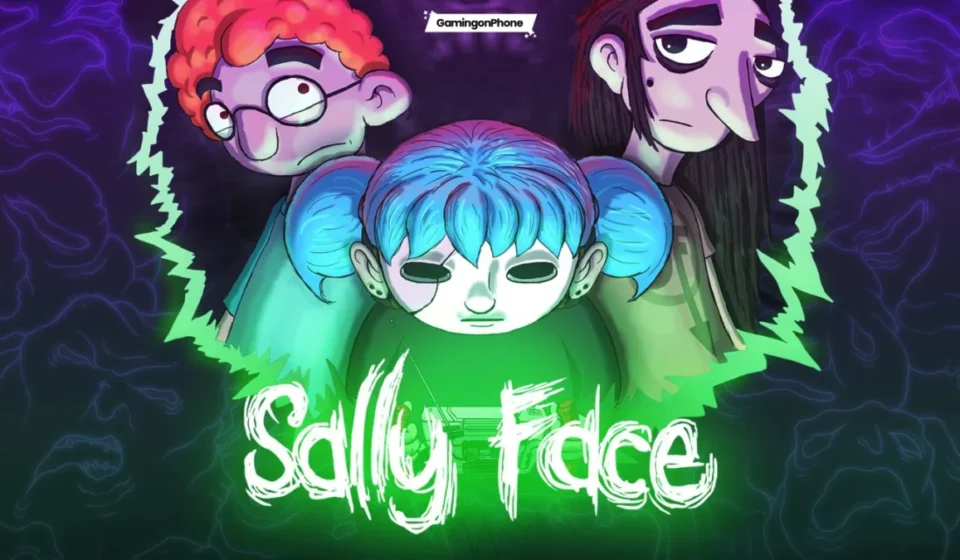
Sally Face brings its chilling mystery and ghostly adventures to mobile as the indie horror adventure arrives on Android and iOS

The Genesis and PC Legacy of Sally Face
Before its mobile debut, Sally Face had already carved out a significant niche within the independent gaming landscape, cultivating a dedicated fanbase since its initial episodic release on PC starting in 2016. Conceived and developed by Steve Gabry, the sole creator behind Portable Moose, the game emerged from a blend of personal artistic vision and a desire to explore complex themes through a unique aesthetic. Gabry’s inspiration drew heavily from 1990s cartoons, reflecting a nostalgic yet twisted visual style, combined with elements derived from personal nightmares, giving the game its distinct blend of the whimsical and the macabre. This creative fusion resulted in a visual identity that is instantly recognizable and contributes profoundly to the game’s eerie atmosphere.
The PC version garnered widespread praise not just for its striking visuals but also for its profound narrative depth. Players were drawn into a psychological horror experience that transcended typical jump scares, instead relying on pervasive dread, character development, and a branching storyline that explored themes of trauma, friendship, mental health, and the search for truth amidst overwhelming darkness. Critics lauded its innovative storytelling, often citing its ability to evoke strong emotional responses and provoke thought long after gameplay concluded. Its "cult classic" status on PC was solidified by its compelling characters, particularly the titular protagonist Sal Fisher, whose enigmatic prosthetic face became an iconic symbol within the indie gaming community. The game’s episodic release schedule further built anticipation, allowing players to deeply engage with each chapter of Sal’s unfolding mystery.
A Deep Dive into Sal Fisher’s Enigmatic World
At the heart of Sally Face is the compelling journey of Sal Fisher, a young boy with a prosthetic face who, alongside his father, relocates to the foreboding Addison Apartments. What initially appears to be a mundane move soon spirals into a labyrinthine investigation, as Sal and his newfound friends begin to uncover a chilling series of mysterious murders and bizarre supernatural phenomena plaguing their seemingly quiet town. Sal’s distinctive appearance, often a source of curiosity or apprehension for others, serves as a poignant visual metaphor for his role as an outsider, someone uniquely positioned to perceive the hidden horrors beneath the town’s surface.
A central gameplay mechanic revolves around Sal’s handheld device, aptly named the Gear Boy. This device is not merely a gadget but a critical narrative tool, enabling Sal to communicate with ghosts and uncover the untold stories of those who have passed away. Through these spectral interactions, players piece together fragments of the town’s dark history, gaining insights into its deeply buried secrets and the malevolent forces at play. As players navigate various unsettling locations, solve intricate puzzles, and discover hidden clues, the game meticulously peels back layers of narrative, gradually revealing a much larger, more sinister conspiracy lurking beneath the facade of everyday life. The puzzles are intricately woven into the narrative, requiring players to think critically and engage with the game’s lore to progress, ensuring that each solution feels meaningful to the overarching mystery.
The narrative craftsmanship of Sally Face is notable for its intricate balance. It masterfully interweaves elements of genuine horror with moments of dark humor, creating a unique tonal landscape. Beneath the supernatural encounters and grotesque imagery, there lies a deeply emotional core, exploring themes of loss, resilience, and the bonds of friendship in the face of unspeakable evil. The game’s inspiration from 1990s cartoons lends a deceptively innocent veneer to its often disturbing content, enhancing the psychological impact. Beyond the main story, Sally Face also features optional puzzles and narrative threads that offer additional depth and lore for dedicated players eager to delve further into its enigmatic universe, enriching the overall experience and rewarding thorough exploration.
The Mobile Port: Technical Adaptations and Accessibility
The transition of Sally Face from PC to mobile platforms required careful consideration to ensure the integrity of the original experience while adapting to the unique demands of handheld gaming. Portable Moose’s commitment to delivering the "complete adventure with all episodes included" signifies a premium port, where no content has been cut or altered for the mobile release. This decision is crucial for satisfying existing fans and providing new players with the full, uncompromised narrative journey.
A primary technical challenge in porting adventure games to mobile lies in redesigning the control scheme. The mobile version addresses this by introducing "optimized touch controls," which are specifically tailored for intuitive interaction on smaller screens. This involves rethinking how players move Sal, interact with objects, solve puzzles, and navigate menus, ensuring that the touch interface is responsive and comfortable for extended play sessions. The goal is to make exploring environments, manipulating inventory, and progressing through the adventure as seamless on a smartphone or tablet as it is with a keyboard and mouse or gamepad on PC. Such optimizations are critical for maintaining player immersion and preventing frustration, which can often plague poorly executed mobile ports.
The mobile release significantly broadens the game’s accessibility, allowing a wider audience to experience Sal’s chilling story. The "on-the-go" nature of mobile gaming means players can engage with the narrative during commutes, travel, or any moment of downtime, introducing the game to demographics that might not typically engage with PC gaming. This move aligns with a growing trend in the industry where acclaimed indie and even AAA titles are successfully migrating to mobile, demonstrating the platform’s increasing viability for premium, narrative-driven experiences. The ability to carry such a rich, story-focused game in one’s pocket democratizes access to quality independent titles, potentially introducing a new generation of players to the psychological horror genre.
Market Context and Financial Strategy
The decision to release Sally Face on mobile for a premium price of $9.99 positions it within a specific segment of the mobile gaming market. Unlike many free-to-play mobile titles that rely on in-app purchases and advertisements, Sally Face follows a premium model, offering a complete, ad-free experience from the outset. This pricing strategy reflects the game’s substantial content, critical acclaim, and the developer’s confidence in its value proposition. For many mobile gamers, a single upfront purchase for a full, high-quality game is preferable to the often unpredictable costs associated with microtransaction-laden free-to-play models.
To stimulate early adoption and reward its eager community, Portable Moose launched the mobile version with a 20% discount, bringing the price down temporarily until August 23, 2026. This limited-time offer is a common marketing tactic designed to generate initial buzz and encourage immediate purchases, capitalizing on the excitement surrounding the game’s long-awaited mobile debut. Such a strategy can significantly impact initial sales figures, providing a strong launchpad for the game’s long-term performance on app stores.
The mobile horror genre, while popular, often sees a mix of quality. Sally Face‘s arrival elevates the standard, offering a narrative depth and artistic uniqueness that distinguishes it from many casual or more conventional horror offerings. Its success on PC provides a strong foundation, suggesting that a significant portion of the mobile gaming audience is willing to invest in premium experiences that deliver compelling storytelling and immersive gameplay. The market for premium indie ports on mobile has shown consistent growth, with titles like Stardew Valley, Dead Cells, and Gris demonstrating that quality and depth resonate strongly with mobile players who seek more than just quick, casual entertainment.
Chronology and Anticipated Reactions
The journey of Sally Face has been a gradual unfolding, beginning with its PC debut:
- 2016: The first episode of Sally Face is released on PC, introducing players to Sal Fisher and the mysteries of Addison Apartments.
- 2016-2019: Subsequent episodes are released periodically, building the narrative and expanding the game’s lore, culminating in the complete story.
- Post-2019: Following the completion of the PC version and its widespread success, Portable Moose likely commenced development and optimization for mobile platforms, a process that can often span several years to ensure a high-quality port.
- August 16, 2026: Sally Face officially launches on Android via the Google Play Store and iOS via the Apple App Store, marking its expansion to mobile devices. This date, as indicated by Portable Moose’s official announcement, signals the culmination of the porting efforts.
- August 23, 2026: The introductory 20% launch discount concludes, returning the game to its standard price of $9.99.
The announcement and subsequent release have been met with considerable enthusiasm. Portable Moose, through its official social media channels, expressed profound excitement, stating their anticipation for a new wave of players to experience Sal’s unique narrative. While no direct quotes from Steve Gabry were provided in the initial release, it is logical to infer a sentiment of pride and satisfaction in bringing his vision to an even broader audience. The mobile gaming community, particularly those familiar with the PC version, voiced high anticipation for the port, with many expressing relief that the full game would be available and that controls would be optimized. Early player reactions are expected to focus on the fidelity of the port, the responsiveness of the touch controls, and the overall smooth performance on various mobile devices, all while celebrating the accessibility of a beloved indie title.
Broader Impact and Future Implications
The mobile release of Sally Face carries several significant implications for the indie gaming sector and the mobile gaming ecosystem. For independent developers, this successful port further validates the model of creating deep, narrative-driven experiences that can successfully transition across platforms, reaching diverse player bases. It reinforces the idea that premium pricing models can thrive on mobile, provided the content offers substantial value and a high level of quality. This could encourage more indie developers to consider mobile as a primary or secondary platform for their projects, fostering a richer and more varied landscape of mobile gaming.
Furthermore, Sally Face‘s arrival enhances the credibility and artistic range of the mobile horror genre. By offering a meticulously crafted psychological horror experience that eschews common mobile gaming tropes, it sets a higher benchmark for storytelling and atmosphere on handheld devices. This could inspire other developers to explore more ambitious and nuanced horror narratives for mobile, moving beyond simplistic jump scare mechanics towards more sophisticated psychological thrillers.
For existing fans, the mobile version offers a new way to revisit Sal’s world, allowing them to carry the mystery with them. For new players, it serves as an accessible entry point into a celebrated narrative, potentially introducing them to the broader world of indie horror. The continued success of Sally Face on mobile could also pave the way for future projects from Portable Moose to be developed with multi-platform releases in mind from the outset, or inspire similar acclaimed PC titles to explore mobile ports, further blurring the lines between traditional and mobile gaming experiences. The launch is not merely a new platform release; it is a testament to the enduring appeal of unique storytelling and the evolving capabilities of mobile gaming as a platform for rich, immersive narratives.