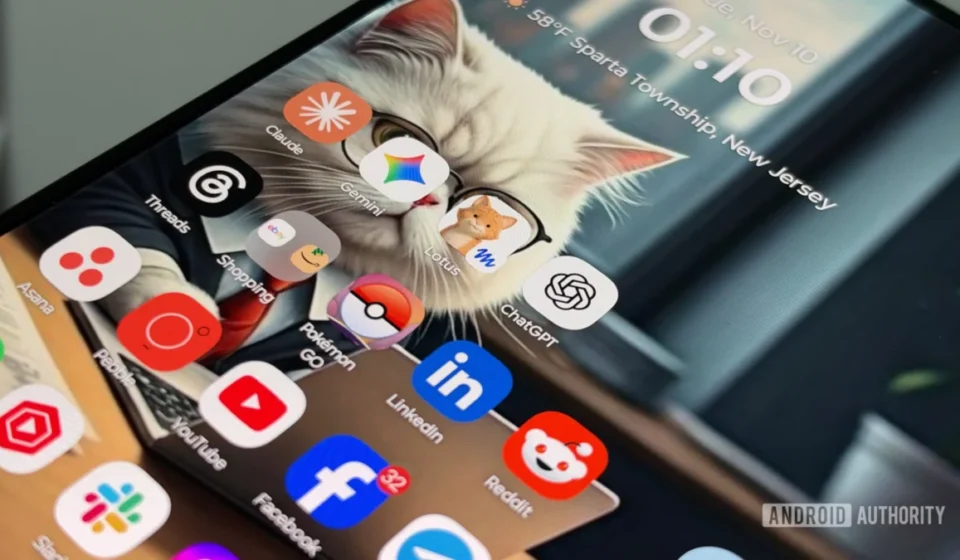

The integration of artificial intelligence into daily life has long been a subject of both fascination and frustration for consumers. For many, the initial foray into AI tools, particularly on mobile platforms, proved underwhelming, often characterized by limited functionality and a lack of intuitive design. While large language models (LLMs) like OpenAI’s ChatGPT and Anthropic’s Claude demonstrated significant intellectual prowess on desktop environments, their adoption by casual users remained a hurdle due to perceived complexity. This landscape, however, has undergone a transformative shift in recent months with the emergence of a new generation of "chat agents" – simplified, proactive AI companions designed to bridge the gap between advanced AI capabilities and everyday usability. Among the most prominent contenders in this burgeoning field are Meta Muse and ChatGPT Dots, each offering distinct approaches to making powerful AI features accessible to a broader audience. While both aim to empower users with intelligent automation, their design philosophy, feature sets, and pricing models cater to different user profiles, prompting a closer examination of their respective strengths and strategic implications.
The Evolving Landscape of Consumer AI
The journey of consumer-facing AI has been marked by several distinct phases. Early iterations, such such as Apple’s Siri, Google Assistant, and Amazon’s Alexa, were largely reactive voice assistants, capable of executing predefined commands, answering simple queries, and controlling smart home devices. While revolutionary at their inception, these tools often struggled with contextual understanding, complex multi-turn conversations, and proactive task management. The advent of generative AI, particularly large language models, fundamentally altered these capabilities, allowing for more natural language interactions, creative content generation, and sophisticated problem-solving. However, the raw power of these LLMs, often accessed through web interfaces, still demanded a certain level of user expertise in prompt engineering and understanding AI’s limitations.
The current wave of AI agents, exemplified by Meta Muse and ChatGPT Dots, represents a significant evolution. These agents are designed to move beyond simple question-answering to become genuine digital assistants capable of understanding user preferences, monitoring external information sources, and proactively initiating actions or providing relevant information without constant explicit prompting. This shift from reactive tools to proactive partners marks a critical inflection point in consumer AI, promising to integrate intelligent automation seamlessly into personal and professional workflows. Major technology companies recognize this strategic imperative, investing heavily in developing user-friendly AI agents to secure their position in the next era of digital interaction.
Meta Muse: The Accessible and Socially Integrated Companion
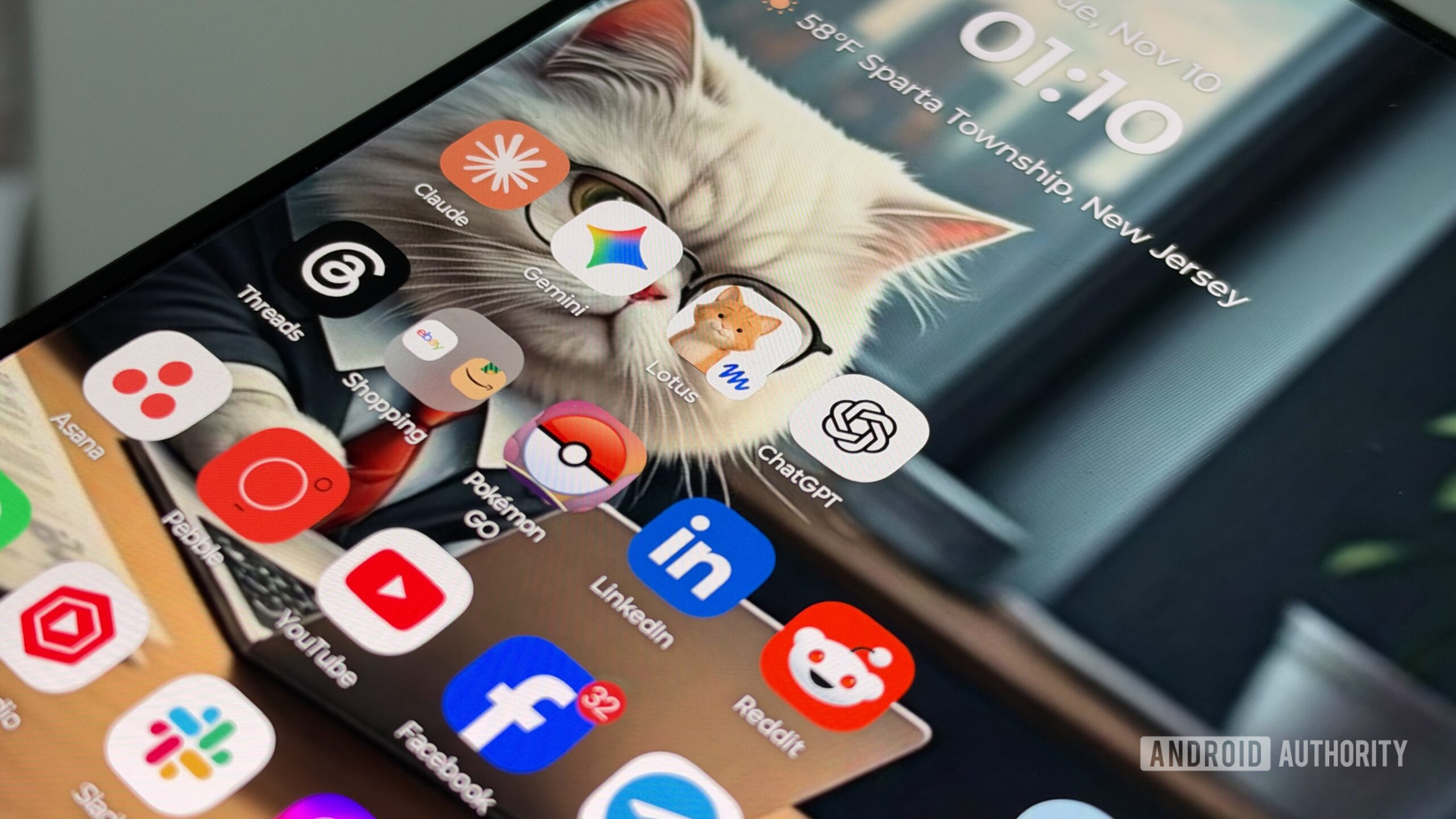
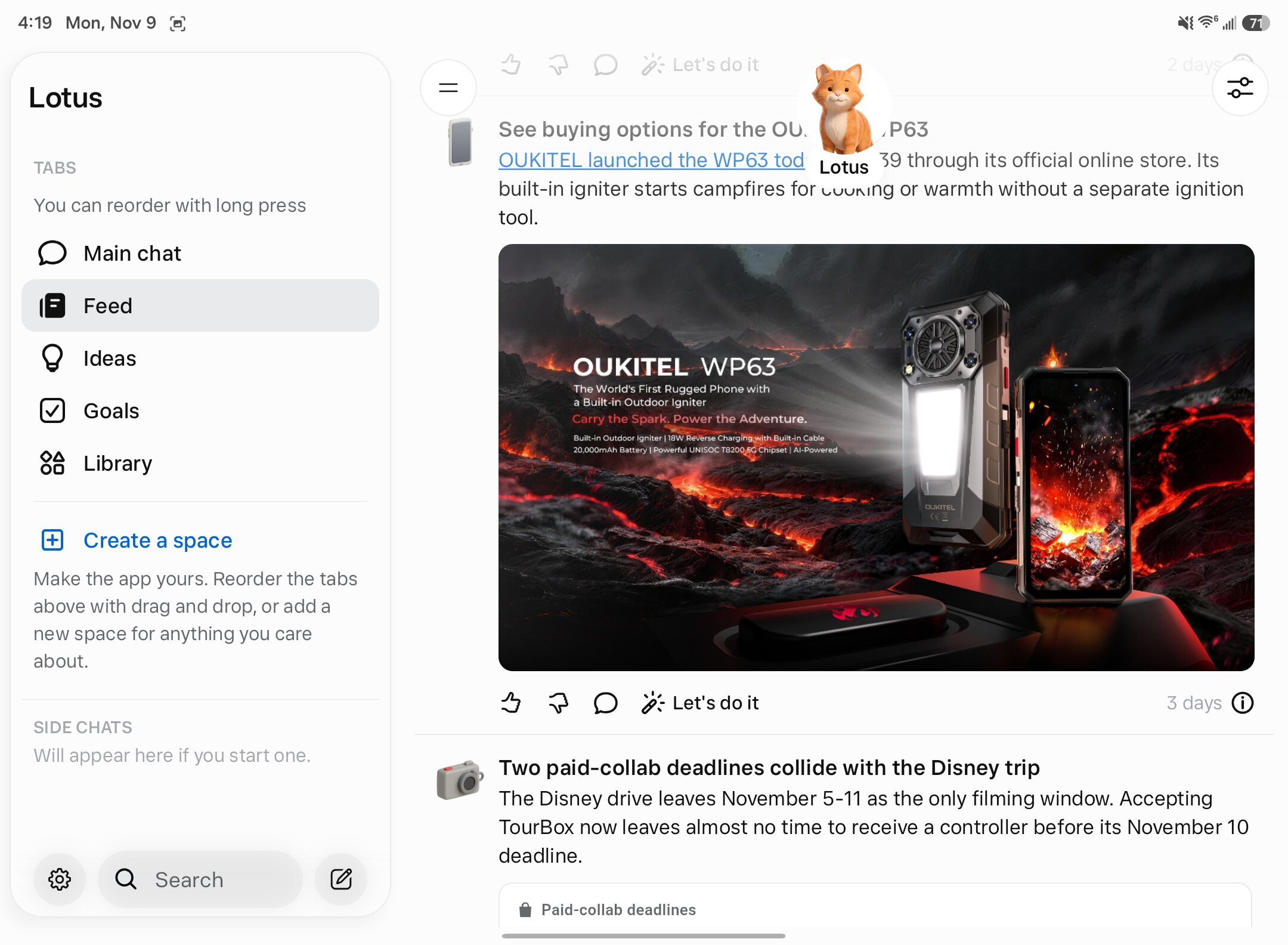
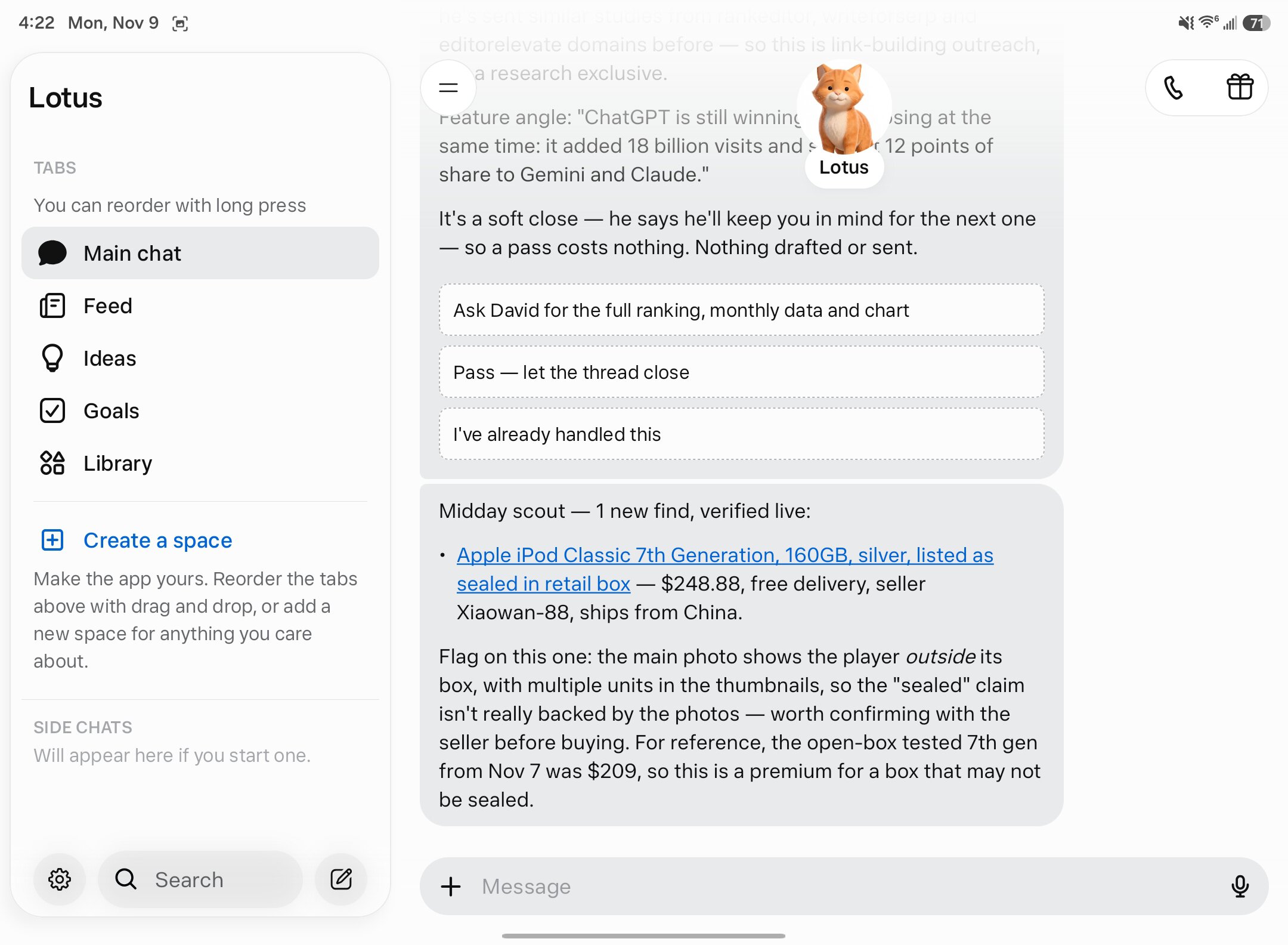
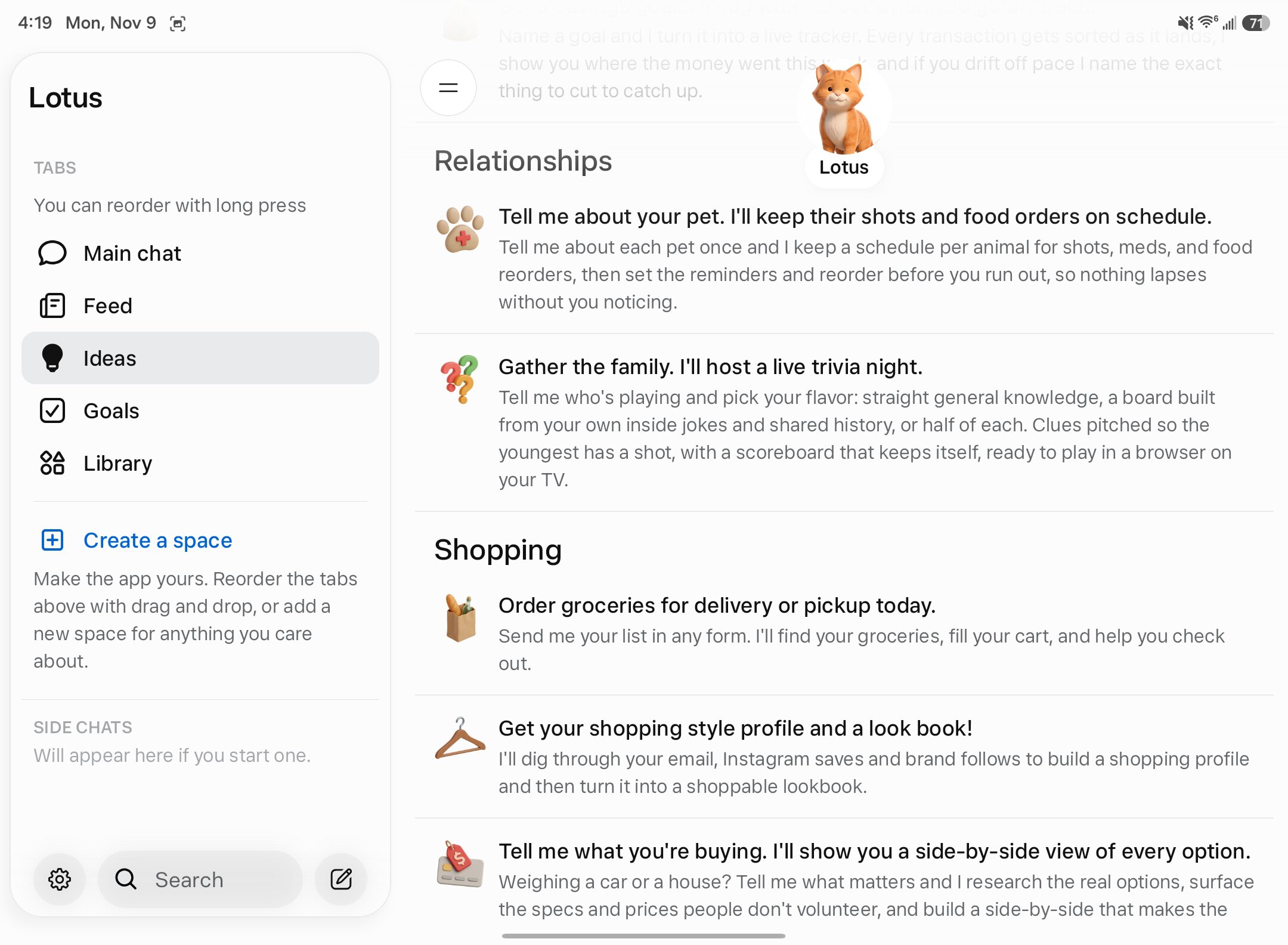
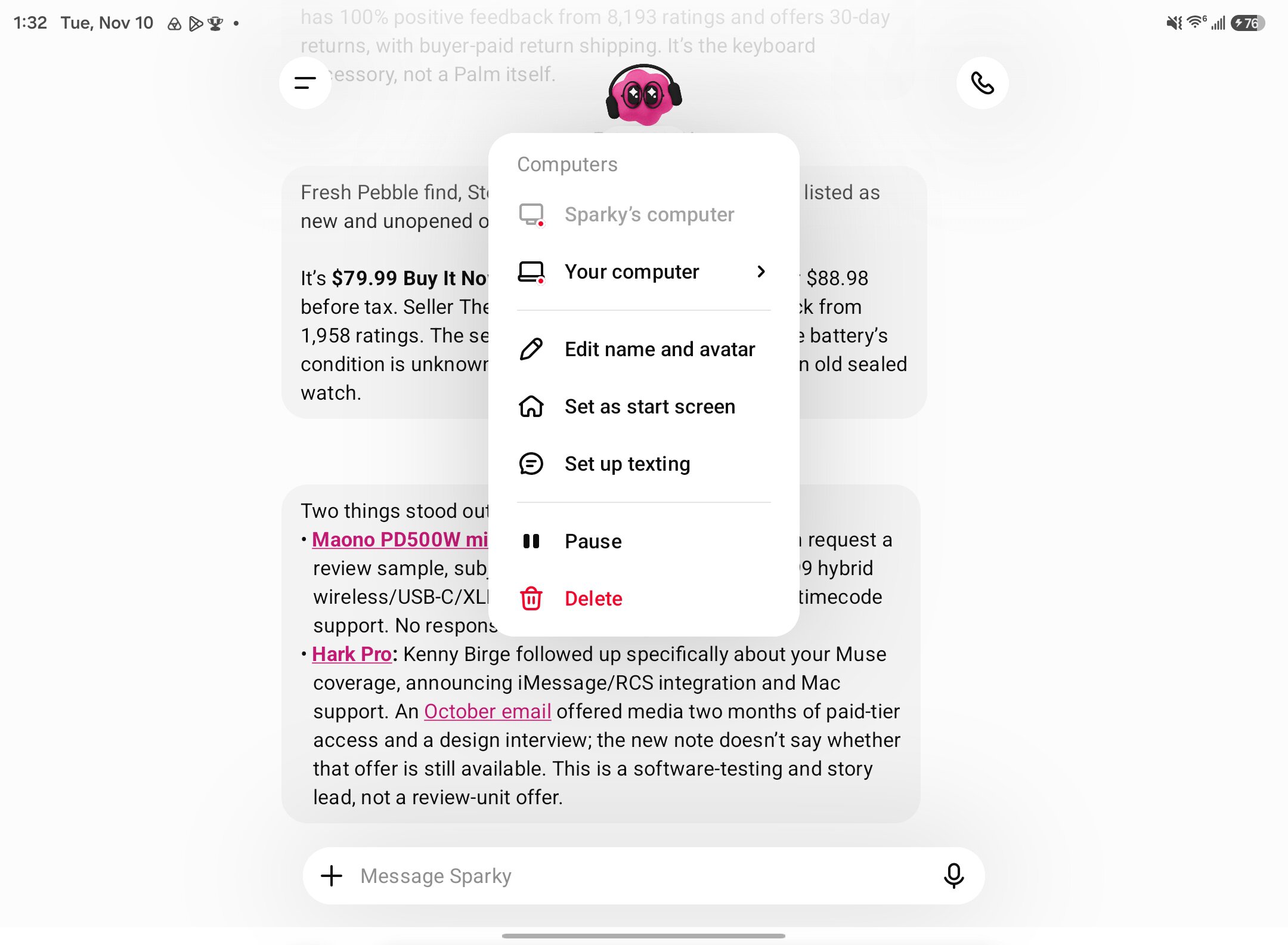
Meta Muse distinguishes itself primarily through its emphasis on user accessibility, intuitive design, and seamless integration within Meta’s vast ecosystem. For individuals already embedded in platforms like Facebook and Instagram, onboarding with Muse is remarkably straightforward, leveraging existing Meta accounts to minimize friction. The interface itself mirrors the familiarity of a Facebook Messenger conversation, creating an approachable environment that lowers the psychological barrier often associated with advanced AI tools. This design choice is deliberate, aiming to make interactions feel less like commanding a machine and more like chatting with a digital friend. The ease of personalizing the agent, such as creating a custom avatar (like an "orange cat avatar"), further enhances this friendly, user-centric appeal.
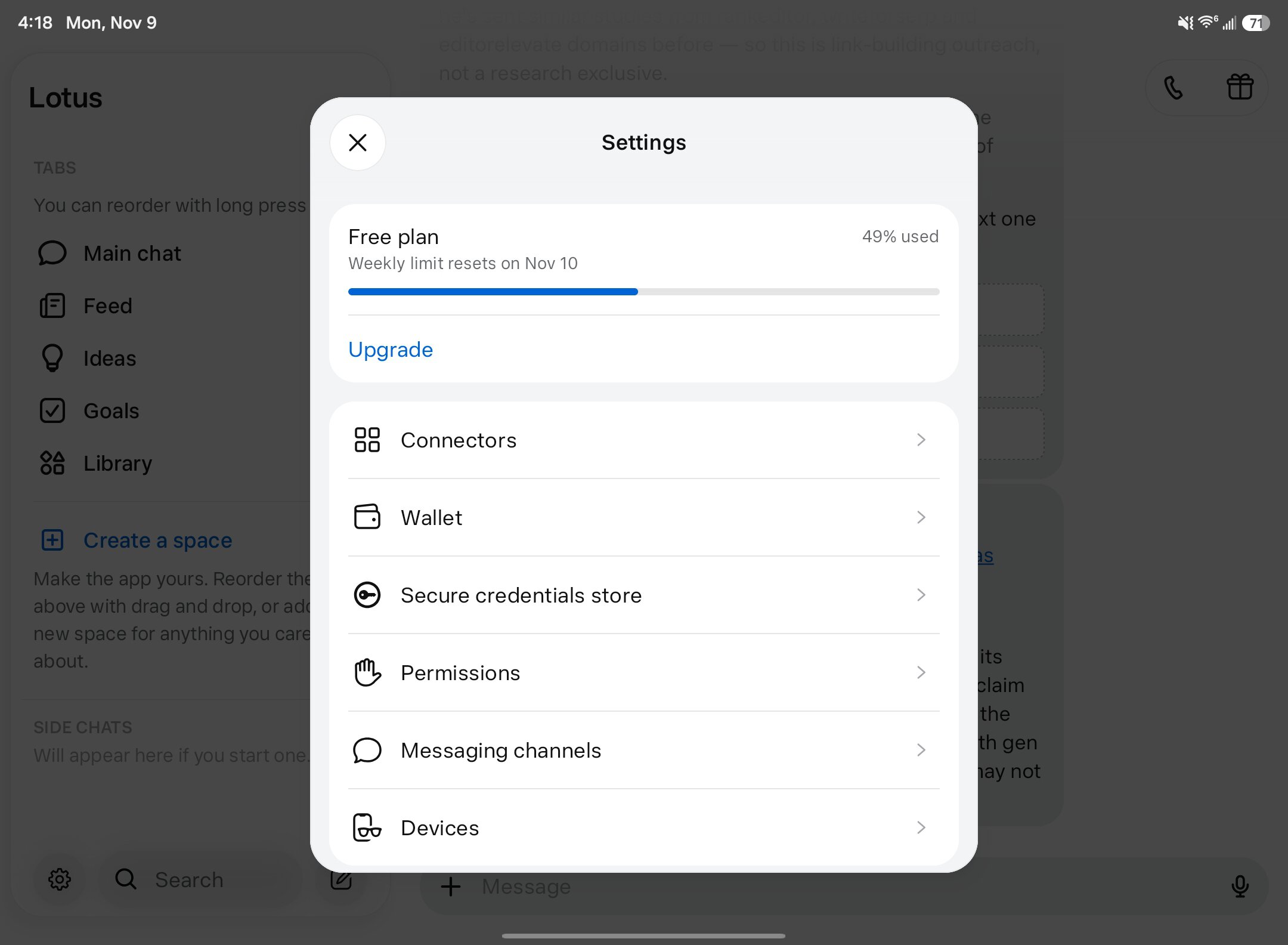
One of Muse’s most compelling attributes, particularly for new users exploring AI agents, is its current free-to-use model. While Meta acknowledges the potential for future paid tiers or usage limits, the current generous weekly allotment ensures that most casual users can experience the full breadth of Muse’s capabilities without incurring additional subscription costs. This strategic pricing decision is crucial for Meta, potentially serving as an attractive entry point to onboard millions of users, gather valuable interaction data, and deepen engagement across its platforms. In an increasingly subscription-heavy digital economy, offering a robust free tier provides a significant competitive advantage and removes a major obstacle for mainstream adoption.
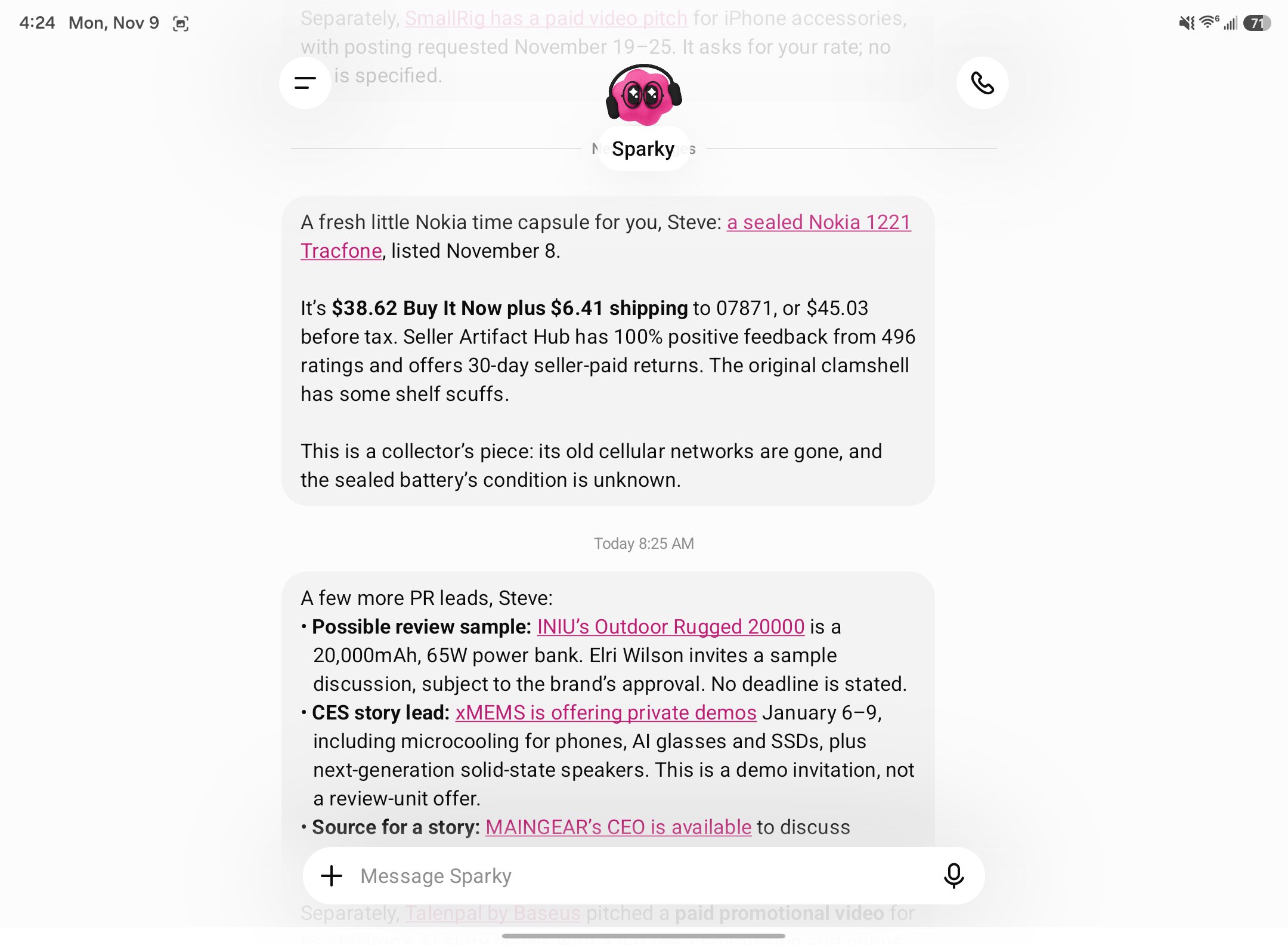
Muse’s proactive capabilities are a cornerstone of its utility. The agent can be configured for a variety of tasks, demonstrating a tangible impact on daily productivity and personal interests. For instance, its ability to scour online marketplaces like eBay for specific items, such as "retro tech deals," and apply user-defined search parameters (e.g., "newly listed items with a Buy It Now price") showcases a practical application of automated monitoring. Users can dictate the frequency of these scans and alerts, preventing information overload. Beyond leisure, Muse proves adept at more critical tasks, such as scanning emails for "anything important I’ve missed," a feature that has reportedly caught several overlooked items in the daily deluge of communications. This intelligent filtering and prioritization can significantly enhance personal information management.
Furthermore, Muse exhibits considerable promise in personal organization and planning. The ability to assist in complex tasks like "planning a drive down to Florida," including identifying hotels within a specified budget and outlining suitable stops along the route, demonstrates its capacity for multi-step reasoning and information synthesis. While the author notes a preference for manually completing bookings, Muse’s capability to direct users "straight to the reservation pages" streamlines the planning process. Its capacity to send "gentle reminders about upcoming events" and suggest "useful steps for preparation" positions Muse as a genuine organizational aid, anticipating user needs rather than merely responding to direct commands.
The application’s "Feed" and "Idea" sections further enrich the user experience. The Feed offers a dynamic summary of completed tasks, upcoming reminders, and relevant prompts, often accompanied by visuals and direct links to integrated applications like calendars. This serves as a personalized dashboard, keeping users informed and engaged. The Ideas section, conversely, empowers Muse to be more genuinely proactive, suggesting new tasks it can undertake based on its evolving understanding of the user’s habits and preferences. This continuous learning and suggestion mechanism is vital for an AI agent to move beyond a simple tool and become a truly intelligent assistant.
ChatGPT Dots: The Power User’s Integrated Workhorse
In stark contrast to Meta Muse’s accessible entry, ChatGPT Dots positions itself as a premium, deeply integrated solution for users already heavily invested in OpenAI’s ecosystem, particularly those subscribing to a ChatGPT Pro account. The financial barrier to entry is substantial, with a Pro subscription priced at $100 per month. This immediately signals that Dots are not aimed at the casual, exploratory user but rather at a demographic of "heavy users" – professionals, developers, researchers, or individuals managing multiple complex projects who can justify the significant monthly investment through enhanced productivity and automation. The initial hope that Dots would be available with a Plus subscription has not materialized, further solidifying its exclusive positioning.
Dots do not present themselves as a standalone application in the same manner as Meta Muse. Instead, they are seamlessly integrated within the existing ChatGPT application, occupying a dedicated section at the top of the interface. While this means no separate home-screen shortcut, it emphasizes Dots’ role as an extension of the broader ChatGPT platform, designed to leverage its full capabilities. This design choice underscores a focus on functional integration over aesthetic independence.
Despite the differing interfaces, Dots prove equally capable of handling fundamental proactive tasks. Mirroring Muse, a ChatGPT Dot can effectively "search eBay a few times a day for new items" and "filter through my emails," performing these basic functions with comparable efficiency. Similarly, its ability to assist with trip planning, "scouting out a route and hotels that made sense," demonstrates its foundational competence in personal assistance.
However, the true power of ChatGPT Dots emerges when considering the needs of its target audience: the ChatGPT Pro user. For these individuals, versatility and deep integration are paramount. Dots offer communication flexibility, notably supporting RCS messaging in addition to platform-specific options like WhatsApp (which Muse uses). This broadens its utility for users who prefer standard messaging protocols for professional or personal communication.
The most significant differentiator for Dots lies in its profound integration with a user’s existing ChatGPT conversations and projects. This is particularly evident in specialized workflows, such as the author’s work with "vintage tech" and the use of OpenAI’s Codex for bridging modern computing with older hardware. Dots can actively manage these ongoing projects, taking on "the heavy lifting" and automating the process of copying outputs for analysis and further prompts. This means the agent can "push the project forward, and handle issues as they come up, only prompting me on the really important decisions." This level of autonomous, intelligent project management represents a substantial enhancement to workflow efficiency, transforming a reactive AI into a proactive collaborator.
The ability of Dots to proactively identify and share relevant external information, such as an "interesting article online about an HP 95LX from 1992, and some hardware specs I can use in a future project," further illustrates its generative and anticipatory capabilities. This isn’t just about executing predefined tasks but about intelligently contributing to a user’s goals by sourcing and filtering valuable information. Crucially, the capacity of Dots to "pull from previous conversations" and leverage a user’s "huge ChatGPT backlog" provides an unparalleled level of personalization and contextual understanding, ensuring continuity and intelligence across diverse interactions. For users managing multiple complex projects, this deep integration and historical memory are invaluable, streamlining operations and significantly reducing manual oversight.
Comparative Analysis and Strategic Implications
The choice between Meta Muse and ChatGPT Dots boils down to individual user needs, budget, and existing digital ecosystem.
Target Audience and Value Proposition:
- Meta Muse: Clearly targets the casual user, the AI novice, and those already entrenched in Meta’s social media platforms. Its value proposition centers on accessibility, ease of use, and practical, everyday automation at little to no cost. It serves as an excellent entry point into the world of proactive AI agents, making generative AI approachable and beneficial without requiring complex technical understanding.
- ChatGPT Dots: Exclusively caters to the power user, the AI professional, and those who are already paying for or heavily utilizing OpenAI’s advanced LLMs. Its value proposition is rooted in deep integration, advanced project management, and the ability to automate complex workflows by leveraging a rich history of AI interactions. For these users, the $100/month subscription is justified by significant productivity gains and sophisticated AI assistance.
Strategic Implications:
- Meta’s Strategy: For Meta, Muse is a crucial strategic play. It deepens user engagement across its platforms, potentially driving increased time spent within the Meta ecosystem. By offering a free, user-friendly AI agent, Meta can gather valuable data on user interactions, preferences, and task automation needs, which can inform future AI development and product offerings. It also positions Meta competitively against other tech giants vying for AI dominance, particularly in the consumer space. Muse could serve as a foundational AI layer for future metaverse applications.
- OpenAI’s Strategy: OpenAI’s decision to gate Dots behind a ChatGPT Pro subscription reflects a strategy of monetizing advanced AI capabilities for high-value users. It enhances the appeal of the Pro tier, providing tangible benefits beyond just higher usage limits. Dots extend OpenAI’s reach into sophisticated personal and professional workflow automation, positioning ChatGPT as more than just a conversational AI but as a comprehensive AI assistant for complex tasks. This also allows OpenAI to focus its resources on serving a demanding user base, potentially pushing the boundaries of AI agent functionality.
The Future of AI Agents:
Both Muse and Dots represent the vanguard of a new era of AI, where intelligent agents move from passive tools to active participants in our digital lives. As these platforms evolve, we can anticipate increased autonomy, more sophisticated contextual understanding, and deeper integration with a wider array of third-party applications and services. However, this evolution also brings important considerations regarding data privacy, the ethical implications of autonomous decision-making, and the potential impact on human-computer interaction paradigms. The industry will need to navigate these challenges carefully to ensure that AI agents truly augment human capabilities without compromising trust or control.
Conclusion: A Tailored Approach to AI Empowerment
In conclusion, both Meta Muse and ChatGPT Dots mark significant advancements in making proactive AI agents a reality for consumers. They effectively translate the raw power of large language models into user-friendly applications that can genuinely simplify tasks and enhance productivity. The decision of which to adopt hinges entirely on the individual user’s profile and needs.
For the casual user, the AI curious, or anyone looking to integrate a practical, proactive AI assistant into their daily routine without a financial commitment, Meta Muse stands out. Its accessible interface, seamless Meta integration, and current free-to-use model make it an ideal entry point into the world of AI agents. It effectively demonstrates the power of generative AI in a friendly, approachable package, proving that AI assistance no longer demands complex prompts or specialized knowledge.
Conversely, for the hardcore ChatGPT Pro user who already operates within OpenAI’s advanced ecosystem, or for professionals and power users managing complex projects that demand deep integration and sophisticated automation, ChatGPT Dots offers unparalleled capabilities. While its $100 monthly cost is a significant barrier, the robust platform, its ability to leverage extensive conversation history, and its potential for autonomous project management make it an invaluable tool for those who can fully utilize its advanced features.
Ultimately, the emergence of Meta Muse and ChatGPT Dots underscores a pivotal moment in consumer AI. These agents are not merely incremental improvements but represent a fundamental shift towards more intelligent, proactive, and personalized digital assistance. As they continue to evolve, they promise to reshape how individuals interact with technology, simplifying workflows and unlocking new levels of personal and professional efficiency.