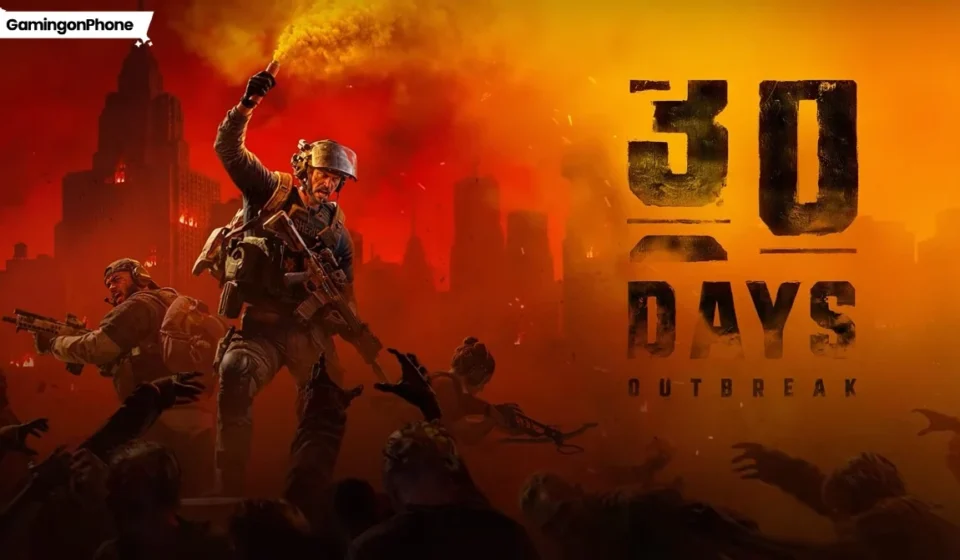
30 Days: Outbreak brings tactical zombie extraction shooter action to Android, soft launch live in select regions

Plarium Global Ltd, a prominent name in mobile gaming known for its highly successful turn-based RPG RAID: Shadow Legends, has officially initiated the soft launch of its new title, 30 Days: Outbreak. This tactical zombie extraction third-person shooter is now accessible to players on both Android and iOS platforms within Poland and Ukraine. The strategic soft launch marks a significant diversification for Plarium, venturing into a genre characterized by intense player-versus-player-versus-environment (PvPvE) combat and high-stakes resource management, a departure from their established fantasy RPG forte. While the initial release is confined to these specific European markets, the move signals Plarium’s ambition to capture a segment of the rapidly growing mobile shooter market, though concrete details regarding a potential global release remain undisclosed.
The Emergence of Mobile Extraction Shooters: A New Frontier
The extraction shooter genre, popularized on PC and console platforms by titles such as Escape From Tarkov and Call of Duty: Warzone 2.0‘s DMZ mode, is steadily gaining traction in the mobile gaming ecosystem. This genre fundamentally challenges players to venture into dangerous, often loot-rich zones, secure valuable resources, and successfully extract before being eliminated by environmental threats (PvE) or rival players (PvP). The high-risk, high-reward nature, combined with persistent progression systems that carry over earned loot and experience, creates a uniquely compelling and often brutal gameplay loop. 30 Days: Outbreak aims to translate this intricate experience to mobile devices, offering players a blend of tactical shooting, survival mechanics, and strategic decision-making in a post-apocalyptic urban setting.
The core premise of 30 Days: Outbreak places players in a city ravaged by a deadly zombie outbreak. Survival hinges not just on combat prowess but also on meticulous preparation and adaptable strategies. Before each deployment, players must carefully assemble their loadout, selecting weapons, armor, and utility items crucial for navigating the hostile environment. Once in the urban sprawl, objectives range from eliminating hordes of infected creatures to scavenging for rare supplies, all while contending with the ever-present threat of other survivors who are also vying for the same limited resources. This creates a dynamic tension where every encounter could be a collaborative effort against the undead or a cutthroat battle for supremacy against fellow humans. The game emphasizes smart play, equipment management, and strategic positioning over mere twitch reflexes, a hallmark of the extraction shooter genre.
Plarium’s Strategic Diversification and Industry Footprint
Plarium Global Ltd has cemented its reputation in the mobile gaming industry, particularly with the monumental success of RAID: Shadow Legends. Launched in 2018, RAID quickly became a cultural phenomenon, celebrated for its high-fidelity graphics, deep character progression, and aggressive marketing campaigns. It demonstrated Plarium’s mastery of the free-to-play (F2P) model, effectively leveraging in-app purchases and live-service content updates to maintain a vast and engaged player base. As of late 2023, RAID: Shadow Legends reportedly boasted over 80 million downloads globally and generated significant revenue, solidifying Plarium’s position as a major player in the mobile RPG space.
The pivot towards an extraction shooter with 30 Days: Outbreak represents a calculated strategic move for Plarium. It signifies a desire to diversify their portfolio beyond the RPG genre and tap into new market segments. Mobile gaming continues its upward trajectory, with global revenues projected to exceed $100 billion annually. Within this vast market, the shooter genre, encompassing everything from battle royales to tactical FPS titles, commands a substantial share. By entering this arena, Plarium aims to leverage its considerable development expertise, F2P monetization knowledge, and marketing prowess to carve out a new niche.
An unnamed Plarium spokesperson, in a hypothetical statement reflecting the company’s strategic vision, might articulate, "Our success with RAID: Shadow Legends has provided us with invaluable insights into creating compelling, long-term mobile gaming experiences. With 30 Days: Outbreak, we are applying that expertise to an entirely new and exciting genre. We believe the tactical depth and emergent storytelling of extraction shooters offer immense potential on mobile, and we are committed to delivering a premium experience that stands out in a crowded market." This move also positions Plarium to attract a different demographic of mobile gamers who gravitate towards more action-oriented and competitive gameplay.
Delving into the Gameplay Mechanics and Narrative
30 Days: Outbreak is designed to offer a multifaceted gameplay experience. Beyond the core extraction loop, it incorporates robust progression systems that allow for deep character customization and strategic development. Players can complete various missions and challenges, earning rewards that contribute to their overall progression. These rewards can be used to acquire new equipment, unlock powerful perks, and experiment with diverse loadout combinations, enabling players to tailor their character to specific playstyles. Whether a player prefers a stealthy approach, a high-damage aggressive strategy, or a support role, the game aims to provide the tools for varied tactical executions.
The game also promises a rich environmental and narrative experience. Players will navigate through five distinct districts within the devastated city, each meticulously crafted with its own unique atmosphere, environmental hazards, and a tailored soundtrack that enhances immersion. From crumbling residential areas to derelict industrial zones, these environments are not just backdrops but integral components of the tactical landscape, offering cover, vantage points, and potential resource caches.
A significant highlight mentioned in the initial announcement is the game’s story-driven approach. Unlike many mobile shooters that prioritize pure gameplay, 30 Days: Outbreak intends to weave a compelling narrative through voiced characters and cinematic cutscenes. This storytelling layer is designed to gradually uncover the origins of the deadly outbreak and reveal the secrets behind the city’s troubled past, adding a layer of depth and engagement beyond the immediate survival objectives. This blend of narrative and intense gameplay could be a differentiating factor in the mobile extraction shooter space, providing a more immersive experience for players who appreciate lore and character development alongside action.
Players have the flexibility to venture into the city alone, relying solely on their own skills and tactical acumen, or to team up with other players in co-op battles. The choice between solo and squad play further influences strategy, resource allocation, and risk assessment, catering to different player preferences and offering dynamic replayability.
The Strategic Rationale Behind Soft Launch Regions
The decision to soft launch 30 Days: Outbreak in Poland and Ukraine is a deliberate and common strategy in the mobile gaming industry. A soft launch allows developers to rigorously test key aspects of the game in a controlled environment before a wider global release. This includes:
- Technical Stability: Assessing server infrastructure, network performance, bug identification, and optimization across a range of mobile devices.
- Gameplay Balancing: Fine-tuning game mechanics, weapon statistics, enemy difficulty, progression curves, and the overall economic model (monetization, rewards).
- Player Engagement and Retention: Analyzing player behavior, feature usage, session lengths, and factors influencing long-term engagement.
- Monetization Strategy: Testing the effectiveness of in-app purchases, battle passes, and other monetization elements to ensure a sustainable F2P model.
- Market Feedback: Gathering qualitative and quantitative data from a real player base to inform further development and refinement.
Poland and Ukraine are often selected for soft launches due to their strong mobile gaming communities, diverse player demographics, and robust internet infrastructure. These regions offer a representative sample of global mobile users, allowing developers to collect valuable data that can be extrapolated for larger markets. Additionally, these markets often exhibit a high tolerance for new genres and competitive gameplay, making them ideal testing grounds for a tactical extraction shooter.
Industry analysts generally view soft launches as critical for success in the competitive mobile market. "A well-executed soft launch can make or break a game," states a hypothetical industry expert. "It’s not just about finding bugs; it’s about understanding player psychology, optimizing the F2P loop, and ensuring the game is culturally resonant before committing to a global marketing push. Plarium’s track record suggests they understand this iterative development process well." The data gathered during this phase will directly influence whether, when, and how Plarium proceeds with a wider launch for 30 Days: Outbreak.
Broader Implications for Mobile Gaming and Plarium’s Future
The introduction of 30 Days: Outbreak holds several significant implications for the mobile gaming landscape and Plarium’s future trajectory. For the broader market, it signals a continued maturation of mobile gaming, demonstrating the platform’s capacity to host increasingly complex and demanding genres previously confined to PC and console. As mobile hardware capabilities advance, the technical barriers to entry for such games diminish, paving the way for more sophisticated experiences. This, in turn, raises player expectations for graphics, depth, and live-service support in mobile titles.
For Plarium, the success of 30 Days: Outbreak could solidify its position as a multi-genre powerhouse, not just an RPG specialist. A hit in the shooter genre would significantly expand their player base and revenue streams, reducing reliance on a single blockbuster title. It also showcases their technical prowess in developing high-fidelity 3D environments and complex multiplayer systems, which could open doors for future ventures. However, the mobile shooter market is fiercely competitive, dominated by established giants like PUBG Mobile, Call of Duty: Mobile, and Free Fire. 30 Days: Outbreak will need to carve out a distinct identity and deliver a consistently high-quality experience to stand out.
The game’s F2P model will be crucial. While Plarium has mastered F2P monetization with RAID, adapting it to an extraction shooter, where player progression and inventory are central, presents unique challenges. Balancing fair monetization with player satisfaction and avoiding "pay-to-win" mechanics will be key to long-term success and community building.
The Road Ahead: Anticipation for a Global Release
As 30 Days: Outbreak undergoes its soft launch in Poland and Ukraine, the global mobile gaming community eagerly awaits news of its wider availability. The feedback and performance metrics gathered during this period will be instrumental in shaping the game’s final form and determining the timeline for a full launch. Factors such as player retention rates, average revenue per user (ARPU), and critical bug resolution will all play a role in Plarium’s decision-making process.
The success of 30 Days: Outbreak could represent a pivotal moment for Plarium, marking a successful expansion into a new, challenging genre and further solidifying their reputation for delivering engaging, high-production-value mobile titles. For players, it promises a fresh, tactical, and story-rich mobile shooter experience that pushes the boundaries of what’s possible on handheld devices. As Plarium continues to refine and optimize the game based on soft launch data, the anticipation for its global debut on both Android and iOS will undoubtedly grow, heralding a potentially significant new entry into the competitive world of mobile extraction shooters.