Your AI agent can now check out for you. It just never gets to see your card.

OpenAI has unveiled ChatGPT Wallet, a significant advancement in its pursuit of autonomous AI agents, allowing "dots" powered by its GPT-6 Astra model to conduct online purchases on behalf of users. This new feature, developed in collaboration with payment giants Mastercard, Visa, and American Express, aims to streamline the online shopping experience by enabling AI agents to navigate the purchasing process without directly accessing sensitive card information. The rollout is currently exclusive to ChatGPT Pro subscribers in the United States, with an age requirement of 18 and applicability only to eligible US-issued cards.
The introduction of ChatGPT Wallet marks a pivotal moment in the evolution of AI-powered commerce. Just over a month prior to this announcement, OpenAI launched its "dots" initiative, showcasing AI agents designed to handle multi-step tasks across a vast ecosystem of applications, estimated to be around 4,000. The underlying technology for these agents is the advanced GPT-6 Astra model, which is also being integrated into the premium ChatGPT Plus tier. The core concept behind these agents is to empower users by delegating routine chores and complex digital workflows, freeing up their time and cognitive load. ChatGPT Wallet directly addresses one of the most common and often cumbersome digital activities: online shopping.

Bridging the Gap Between AI Assistance and E-Commerce
Prior to ChatGPT Wallet, while AI agents could research products, compare prices, and add items to a cart, the final checkout process invariably required direct human intervention to input payment details. This often involved navigating away from the AI’s interface to a separate payment gateway or online store, creating friction in the user experience. ChatGPT Wallet aims to eliminate this bottleneck by creating a secure and tokenized payment pathway.
The partnership with major credit card networks like Mastercard, Visa, and American Express underscores the financial industry’s increasing engagement with AI technology. These collaborations are crucial for ensuring security, compliance, and seamless integration into existing payment infrastructures. By leveraging established payment rails and their security protocols, OpenAI is building a foundation of trust for a novel AI-driven transactional system.
The Mechanics of Secure AI Shopping
At its core, ChatGPT Wallet functions by creating a secure digital token for each payment. When a user adds an eligible card to their ChatGPT Wallet, it does not store the actual card number, expiration date, or CVV. Instead, the payment network generates a unique token, which acts as a stand-in for the real card details. This token is then used by the AI agent for transactions. OpenAI emphasizes that this is a key differentiator: the AI agent never gains access to the user’s actual card credentials.

This tokenization approach is a well-established security practice in digital payments, commonly used in mobile payment systems like Apple Pay and Google Pay. It significantly reduces the risk of sensitive data exposure in the event of a breach at the merchant or even within the AI’s operational environment. For every purchase initiated through ChatGPT Wallet, a security check is mandated. Users will receive a notification detailing the transaction, including the items, total cost, and the card being used. Final approval requires a biometric authentication, such as Face ID on an iPhone or a fingerprint scan, adding a robust layer of personal verification.
User Experience and Convenience
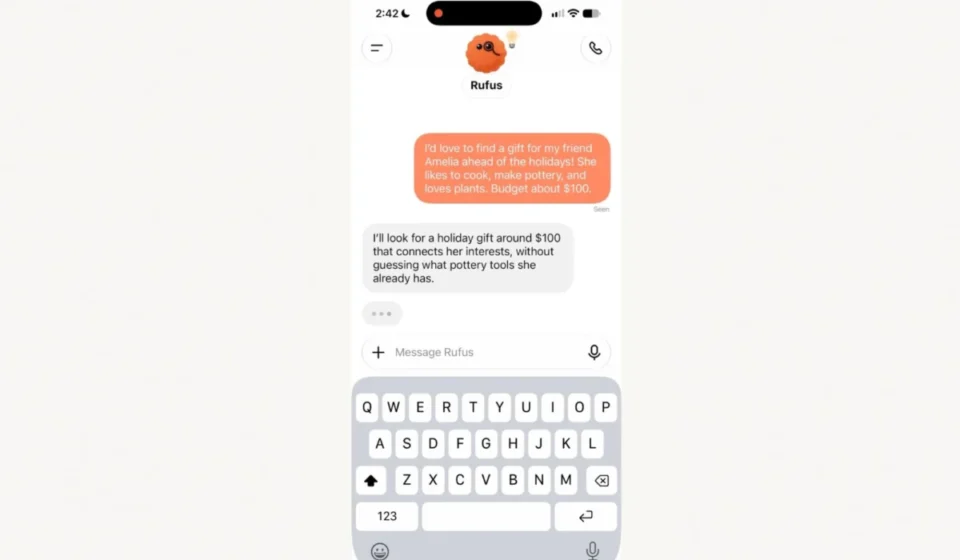
The envisioned user experience is designed to be intuitive and conversational. A user might simply tell their AI agent, "I need a new pair of running shoes, something comfortable for marathons," or "Find me the best deal on a smart thermostat." The AI agent, leveraging its understanding of the user’s preferences and past behavior (built upon ChatGPT’s memory capabilities), can then research options, present recommendations, and, upon user approval, add the selected item to a virtual cart.
Once the user gives the green light to proceed with a purchase, the AI agent compiles a summary of the order and presents it for final user authorization. This final approval, coupled with biometric authentication, triggers the secure payment process. The AI agent then completes the transaction, eliminating the need for the user to manually enter any payment information.

This seamless integration promises to save users considerable time and effort, particularly for routine purchases or when juggling multiple online shopping tasks. The ability for an AI agent to complete an entire purchase flow, from product selection to checkout, represents a significant leap in digital convenience.
Reclaiming Rewards and Protections
A crucial aspect of ChatGPT Wallet is its commitment to preserving existing user benefits. By using tokenized payment information linked to the user’s original card, customers will continue to earn rewards points, cashback, or airline miles associated with their credit cards. Furthermore, the inherent protections offered by these cards, such as dispute resolution for defective merchandise or unauthorized charges, remain fully intact. This ensures that users do not sacrifice financial benefits or consumer safeguards for the sake of AI-driven convenience.
The announcement details that if an item purchased via ChatGPT Wallet turns out to be defective, users can still initiate a dispute through their card issuer, leveraging the same process they would for any other credit card purchase. This continuity of benefits and protections is vital for building user confidence in a new payment paradigm.

Rollout and Future Implications
The initial rollout of ChatGPT Wallet is targeted at ChatGPT Pro subscribers in the United States, with a minimum age of 18 years. This phased approach allows OpenAI to gather feedback, refine the system, and address any potential issues before a broader expansion. The reliance on US-issued cards for this initial phase suggests a focus on a well-established and regulated payment market.
The implications of ChatGPT Wallet extend far beyond individual convenience. It signals a potential paradigm shift in e-commerce, where AI agents become active participants in the consumer journey. For businesses, this could lead to new avenues for personalized marketing, streamlined sales processes, and potentially higher conversion rates as AI agents become more adept at understanding and fulfilling customer needs.
However, this advancement also raises important questions about data privacy, algorithmic bias in product recommendations, and the potential for overspending if not managed carefully by users. OpenAI’s stated commitment to never sharing actual card details with sellers or the AI agent, coupled with the mandatory security checks, addresses some of these concerns. The transparency provided by the transaction record and user authorization for each purchase is also a critical safeguard.

The Broader Context of AI Agents
The launch of ChatGPT Wallet is intrinsically linked to OpenAI’s broader vision for AI agents, as exemplified by the earlier introduction of "dots." These autonomous agents are designed to operate across a wide array of digital platforms, performing complex tasks without constant human oversight. From scheduling appointments and managing emails to conducting research and, now, making purchases, the ambition is to create AI companions that can significantly augment human capabilities.
The development of GPT-6 Astra as the engine for these agents highlights OpenAI’s continuous investment in more powerful and versatile AI models. The ability to process nuanced instructions, maintain context over extended interactions, and act decisively within defined parameters is what makes these agents increasingly capable of handling real-world tasks.
Future Prospects and Industry Reaction
While the immediate focus is on US-based ChatGPT Pro subscribers, the long-term trajectory for ChatGPT Wallet is likely to involve international expansion and integration with a wider range of payment methods and platforms. The success of this venture will depend on its ability to consistently deliver a secure, reliable, and user-friendly experience.

The financial sector is keenly observing the integration of AI into payment systems. Partnerships with entities like Mastercard and Visa suggest an industry-wide recognition of AI’s transformative potential in finance. As AI agents become more sophisticated and integrated into daily life, the role of secure, AI-friendly payment solutions like ChatGPT Wallet will only grow in importance. This development represents a significant step towards a future where AI agents can not only assist us but also act on our behalf in the digital economy, making online transactions as seamless as a conversation.