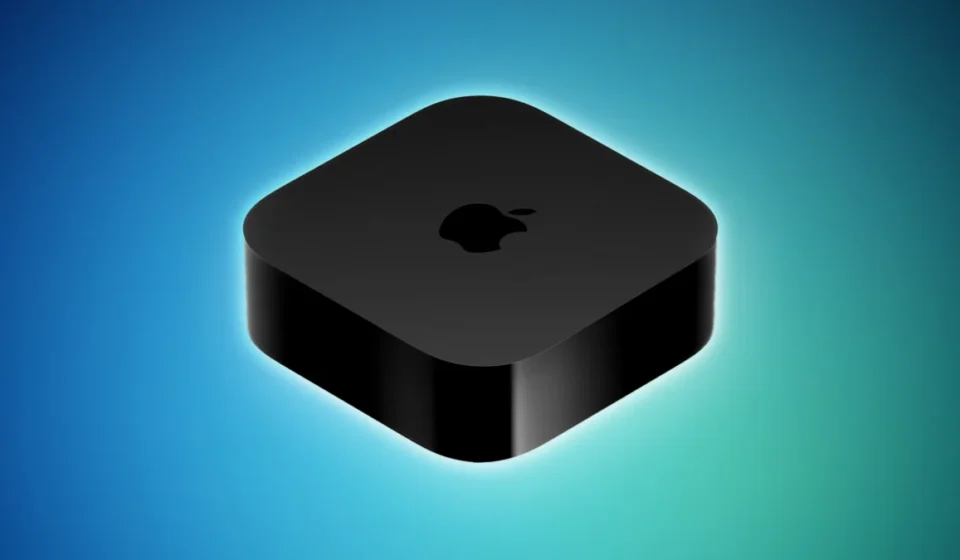
Apple Releases Comprehensive Release Notes for tvOS 27, Unveiling Significant Enhancements to Media Consumption and User Experience

Apple has officially published the detailed release notes for tvOS 27, a significant software update for its Apple TV 4K devices, nearly two weeks after its initial rollout on Monday, September 14, 2026. While many of the key features were anticipated and had been observed in the preceding beta testing phases and through early user adoption, the formal documentation provides a complete overview of the enhancements, solidifying Apple’s commitment to refining its living room entertainment ecosystem. The delay in official release notes, a recurring pattern with Apple TV software updates, underscores the company’s strategy of prioritizing the update’s availability over immediate in-depth communication, relying instead on its support website to disseminate comprehensive information post-launch.
Key Features and Enhancements in tvOS 27
The tvOS 27 update introduces a suite of improvements designed to elevate the user experience for Apple TV 4K owners. Central to these advancements are significant upgrades to core applications such as Apple Music and Podcasts, alongside notable enhancements in AirPlay performance and accessibility features. The update also addresses user-requested functionalities like app blocking and introduces broader captioning support, demonstrating a holistic approach to content consumption and device management.
Apple Music Transformation:
A standout feature of tvOS 27 is the introduction of Hi-Res Lossless audio support within the Apple Music app. This capability promises a studio-quality listening experience, allowing audiophiles to appreciate music with unprecedented clarity and detail. This aligns with Apple’s broader push into high-fidelity audio, which began with its flagship iPhone and Mac devices, now extending its reach to the television platform.
Complementing the audio enhancements is the integration of AutoMix in Apple Music. This innovative feature acts as a dynamic DJ, seamlessly transitioning between songs by time-stretching and beatmatching, thereby creating a continuous and immersive playback experience. This is particularly beneficial for users who enjoy extended listening sessions, such as during parties or background ambiance, without the interruption of noticeable song changes.
Redesigned Podcasts App with Video Support:
The Podcasts app has undergone a significant overhaul, most notably by introducing support for video podcasts. This evolution transforms the way users engage with their favorite spoken-word content, bringing visual elements directly to the Apple TV screen. This move positions the Apple TV as a more robust platform for a wider array of content formats, further blurring the lines between traditional television viewing and on-demand media consumption.
Enhanced AirPlay Performance:
Apple TV users will benefit from improved AirPlay performance in tvOS 27. The update focuses on delivering faster and more responsive connections when users stream content, such as photos, videos, and music, from their iPhones, iPads, or Macs to their Apple TV. This refinement is crucial for maintaining a smooth and uninterrupted user experience, especially for high-definition or high-bandwidth content. In an era where multi-device integration is paramount, these performance gains are vital for Apple’s ecosystem strategy.
Accessibility and User Control Advancements:
tvOS 27 also prioritizes accessibility and user control. The introduction of Transcribed audio aims to make content more accessible by providing on-screen text for audio where standard captions or subtitles are not available. This broadens the reach of visual content to a wider audience, including those who are hard of hearing or in environments where audio playback is not feasible.
Furthermore, the Dynamic Text support in Accessibility settings allows users to customize their preferred text size across a wide range of supported applications. This feature empowers users to tailor their visual experience to their individual needs, enhancing readability and overall comfort when interacting with the Apple TV interface and content.
A significant new feature for device management is the ability to block individual apps. This provides parents and administrators with granular control over what applications can be launched on the Apple TV, adding a layer of security and parental control that was previously less accessible.
Chronology of tvOS 27 Rollout
The journey of tvOS 27 from development to public release involved several key stages:
- Early 2026: Initial rumors and developer insights began to surface regarding the next generation of Apple TV software, with speculation focusing on potential audio enhancements and improved streaming capabilities.
- June 2026: Apple’s Worldwide Developers Conference (WWDC) typically serves as a platform for unveiling new operating system updates. While tvOS 27 may not have been a primary focus of the main keynote, developer betas likely began to emerge shortly after, allowing third-party developers to prepare their applications.
- August 2026: Public beta testing for tvOS 27 commenced, offering a broader audience the opportunity to test the new features and report any bugs or issues. This phase is crucial for gathering real-world feedback and ensuring stability.
- Monday, September 14, 2026: Apple officially released tvOS 27 to all compatible Apple TV 4K models. This marked the culmination of the development and testing cycle.
- Friday, September 25, 2026: Apple published the comprehensive release notes for tvOS 27 on its support website, providing a detailed account of all new features, improvements, and bug fixes. This formal documentation serves as the definitive guide to the update.
Compatibility and Hardware Considerations
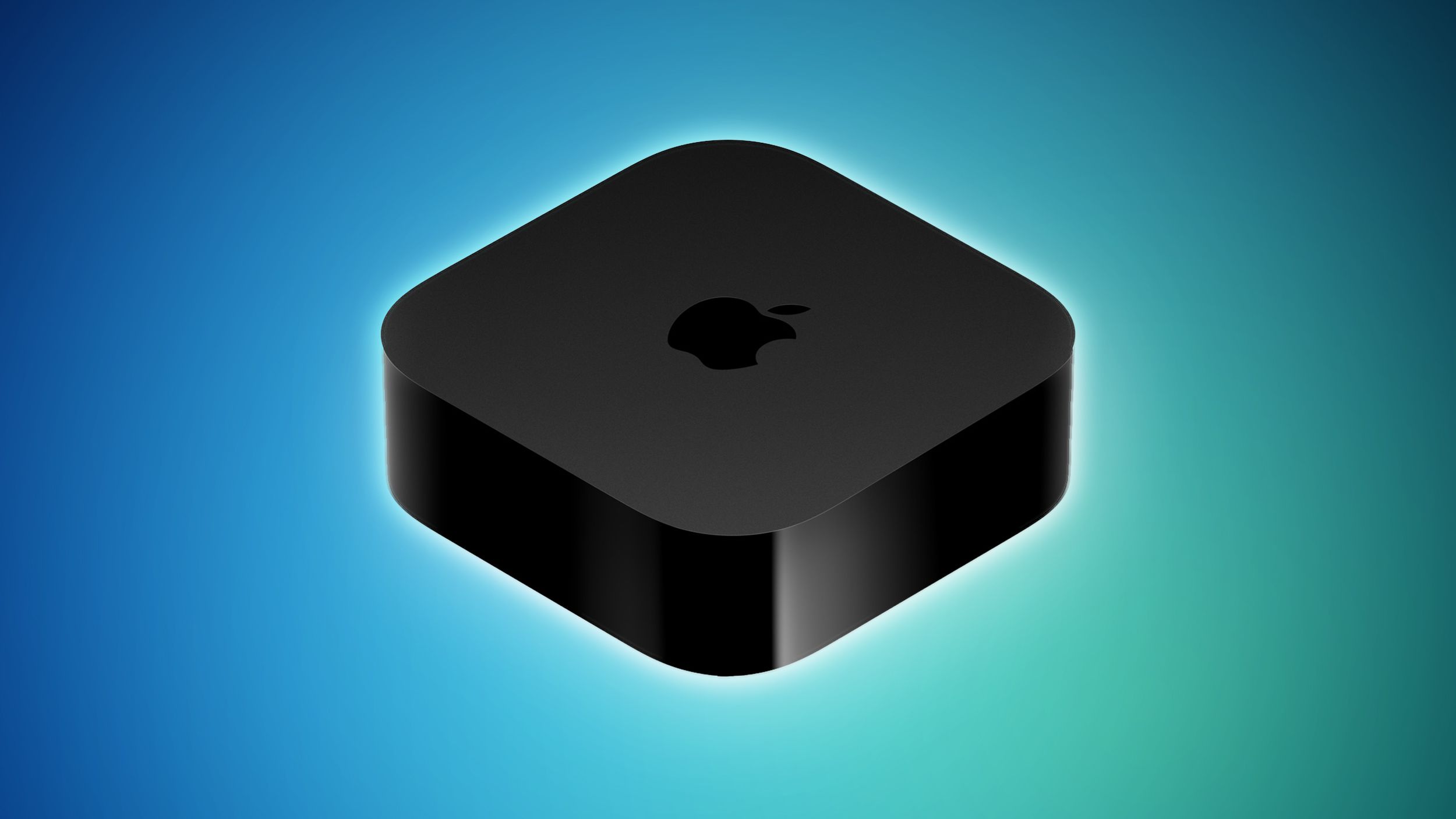
tvOS 27 is compatible with a specific range of Apple TV hardware, ensuring optimal performance and access to all new features. According to Apple’s documentation, the update is available for the Apple TV 4K (2nd generation) and all subsequent models. This means that users with the 2021 Apple TV 4K model, powered by the A12 Bionic chip, and the latest Apple TV 4K (3rd generation) models, featuring the A15 Bionic chip, will be able to install and benefit from tvOS 27. Notably, older Apple TV models, such as the Apple TV HD (4th generation) and earlier, are not supported by this latest iteration of the operating system, a common practice as Apple focuses its development resources on its current hardware lineup.
Broader Impact and Analysis
The release of tvOS 27 signifies Apple’s continued investment in its Apple TV platform, positioning it not just as a media streamer but as a central hub for home entertainment and digital content consumption. The emphasis on high-fidelity audio and visual podcasting suggests a strategic move to cater to a more discerning user base and to expand the platform’s appeal beyond casual viewing.
The enhancements to AirPlay performance are particularly noteworthy in the context of Apple’s broader ecosystem strategy. Seamless integration between Apple devices is a cornerstone of the company’s success, and improvements in this area reinforce the value proposition of owning multiple Apple products.
The inclusion of advanced accessibility features, such as transcribed audio and dynamic text sizing, underscores Apple’s commitment to inclusivity. By making its devices and content more accessible, Apple aims to broaden its market reach and demonstrate social responsibility.
The ability to block individual apps is a pragmatic addition that addresses growing concerns about screen time and digital well-being, particularly for families. This feature provides a more sophisticated level of control than previously available, allowing users to curate their Apple TV experience with greater precision.
Looking Ahead: Future of Apple TV
The release of tvOS 27 also comes at a time of anticipation for future Apple TV hardware. Recent leaks and industry reports suggest that Apple is preparing to launch a new Apple TV model, potentially featuring a more powerful chip, such as the A19 or A19 Pro, and increased RAM. This next-generation device is expected to offer enhanced performance for gaming, streaming, and potentially new augmented reality or virtual reality applications. The ongoing software development, as evidenced by tvOS 27, indicates that Apple is laying the groundwork for these future hardware advancements, ensuring a robust software experience to complement upcoming hardware innovations. The integration of advanced AI features into Siri, as rumored for future Apple devices including the Apple TV, could further transform how users interact with their entertainment systems.
In conclusion, tvOS 27 represents a substantial update for the Apple TV 4K, delivering a rich array of features that enhance audio and video playback, improve user control, and bolster accessibility. The comprehensive release notes, while arriving later than some might expect, provide a clear roadmap of Apple’s ongoing commitment to refining its living room entertainment experience.