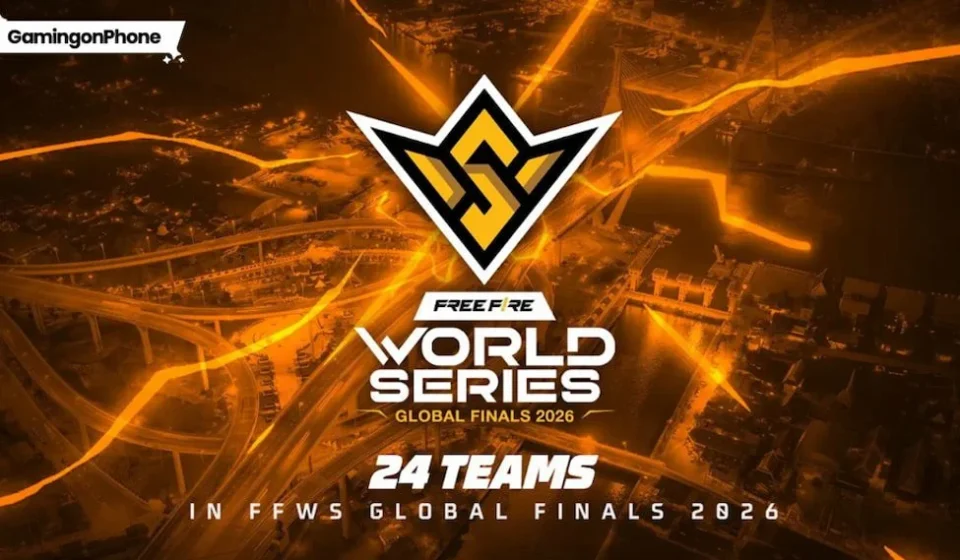
Free Fire World Series Southeast Asia (FFWS SEA) 2026 Fall will kick off in August with strong fights to unfold

A Pillar of Regional Esports: The FFWS SEA 2026 Fall Overview
The Free Fire World Series Southeast Asia (FFWS SEA) 2026 Fall represents the pinnacle of regional competition for the widely acclaimed mobile game. Scheduled to commence on August 14, 2026, and culminate with the Grand Finals on September 20, 2026, the tournament is meticulously designed to test the strategic prowess, adaptability, and teamwork of Southeast Asia’s finest Free Fire squads. This iteration of the FFWS SEA is expected to draw millions of viewers, continuing a trend of robust engagement that solidifies Free Fire’s position as a leading mobile esport in the region. The tournament not only offers significant financial rewards but also serves as a critical pathway for teams to gain international recognition and potentially qualify for future global Free Fire events. Garena’s consistent investment in such high-stakes regional tournaments reflects its long-term vision for Free Fire esports, fostering a professional environment where talent can thrive.
Unpacking the Competitive Structure: Schedule and Format Breakdown
The FFWS SEA 2026 Fall is structured into two principal stages: the Knockout Stage and the Grand Finals, each designed to progressively intensify the competition.
The Knockout Stage: A Grueling Test of Consistency
The Knockout Stage, running from August 14 to August 23, 2026, is the initial gauntlet for the 18 participating teams. This stage is strategically divided into two distinct phases, ensuring a comprehensive evaluation of each team’s capabilities.
- Phase One (Weeks 1 & 2): This opening phase spans two weeks, featuring a total of 36 matches played across six matchdays. Teams will compete in a round-robin format, a system celebrated for its fairness and thoroughness. In a round-robin, each team faces every other team in its group a predetermined number of times, ensuring that all teams experience a diverse range of opponents and maps. Over these two weeks, each team will play a demanding schedule of 24 matches. This extensive match count is designed to mitigate the impact of single-game luck, allowing consistent performance to shine through. The cumulative points gathered during this phase will be crucial, as they determine the initial rankings for the subsequent phase. The strategic implications are immense; teams must not only aim for high placements in individual matches but also maintain consistency across a broad spectrum of competitive scenarios.
- Phase Two (Weeks 3 & 4): Following the conclusion of Phase One, teams will be reseeded or divided into new groups based on their Week One rankings. This dynamic adjustment introduces an additional layer of strategy, as teams will face opponents of similar or directly competitive standing. This phase also spans two weeks, during which the teams continue their fight for survival. By the end of Phase Two, the field will be significantly narrowed. Only the top 12 teams from the Knockout Stage will earn the coveted spots in the Grand Finals, while the bottom six teams will face elimination, their journey in the 2026 Fall season concluded. This intense four-week period is a true test of endurance, strategic depth, and adaptability, preparing the finalists for the ultimate challenge.
The Grand Finals: The Ultimate Showdown
The Grand Finals are scheduled for September 19 and 20, 2026, promising a thrilling climax to the season. This two-day event is where champions are forged and legends are made.
- Day One: Champion Rush Headstart Points: The first day of the Grand Finals will feature six matches where teams battle not just for match wins, but specifically for Champion Rush Headstart Points. This innovative format rewards early aggression and consistent performance, granting a strategic advantage to teams that perform exceptionally well on the opening day. These headstart points are crucial, as they will directly influence a team’s starting position and overall chances on the decisive second day. The pressure on Day One is immense, as securing a significant points lead can alleviate some of the intensity for the final day.
- Day Two: The Champion Rush Format: The second day will employ the full Champion Rush format. While specific details can vary, this format typically emphasizes dynamic gameplay and rewards sustained aggression and strategic positioning throughout the matches. The team accumulating the highest total points across both days of the Grand Finals, combining their headstart points with their Day Two performance, will be crowned the FFWS SEA 2026 Fall Champion, lifting the coveted trophy and cementing their place in Free Fire esports history. This format ensures that every match, every kill, and every survival point contributes to the final outcome, making for an electrifying conclusion.
The Contenders: Participating Teams and Qualification Pathways
The FFWS SEA 2026 Fall will feature a diverse and highly competitive roster of 18 teams. This mix of established powerhouses and emerging talents underscores the robust competitive ecosystem Garena has cultivated in the region.
- Invited Teams (14): A significant portion of the participating teams – 14, to be precise – will be invited directly based on their exceptional performance in the preceding FFWS SEA 2026 Spring season. This system rewards consistency and ensures that the top-performing organizations maintain their presence at the highest level of regional competition. These teams often represent the most recognizable brands and fan favorites, bringing a wealth of experience and established rivalries to the tournament.
- National Qualifiers (4): The remaining four slots are reserved for the champions of the 2026 Fall National Qualifiers from key Free Fire markets: Vietnam, Thailand, Malaysia, and the Nusantara Series (representing Indonesia). These national qualifiers are vital components of Garena’s grassroots development strategy. They provide a clear and meritocratic pathway for new and aspiring teams to break into the professional scene. The national qualifiers are intensely competitive, often featuring thousands of teams battling through local and regional circuits to earn the right to represent their country on the FFWS SEA stage. This blend of established teams and fresh talent ensures a dynamic competitive landscape, where new strategies and unexpected upsets are always a possibility. The Nusantara Series, in particular, is a testament to the immense popularity and competitive depth within Indonesia, a cornerstone market for Free Fire.
While a detailed list of all 18 teams is pending official announcements closer to the event, the structure promises a compelling mix of seasoned veterans and hungry challengers.
The Stakes: Prize Pool and Prestige
The prize pool for the FFWS SEA 2026 Fall, while its complete distribution is yet to be officially announced, is expected to be substantial, mirroring or even exceeding previous editions. The financial incentives are a critical factor in professional esports, enabling organizations to invest in their players, coaching staff, and infrastructure. Based on historical data from previous FFWS events, the top teams can anticipate significant winnings:

- The Champion: Approximately $100,000 USD
- Runner-up: Approximately $50,000 USD
- 3rd Place: Approximately $22,000 USD
- 4th Place: Approximately $15,000 USD
- Subsequent placements: Winnings for lower-ranked teams, to be determined, would typically decrease progressively, ensuring that a broad range of teams receive financial recognition for their efforts.
Beyond the monetary rewards, the prestige associated with winning the FFWS SEA is immeasurable. It grants teams regional bragging rights, enhances their brand value, attracts sponsorships, and significantly boosts their fan base. For individual players, a championship title solidifies their professional reputation, opening doors for further career opportunities within the esports industry. The FFWS SEA is not merely a tournament; it is a career-defining event for many.
Accessibility and Fan Engagement: Where to Watch
Garena places a strong emphasis on making its esports events accessible to its vast global audience. The FFWS SEA 2026 Fall will feature a hybrid format of online and offline matches, offering flexibility for both competitors and fans.
- Online Broadcasts: For the majority of fans, the primary mode of engagement will be through online broadcasts. Garena is known for its high-quality, multi-language streams across various digital platforms. Fans will be able to follow all the action live through official Free Fire esports channels on platforms such as YouTube. These broadcasts typically feature expert commentary, in-depth analysis, replays, and interactive elements, ensuring an immersive viewing experience. The global reach of these platforms allows fans from across Southeast Asia and beyond to tune in and support their favorite teams and players.
- Offline Components: While the article mentions a mix of online and offline, specific details about live audience attendance for the Grand Finals or other stages will be announced by Garena. Historically, major FFWS events have featured grand offline finals, creating an electrifying atmosphere for attendees and a spectacular visual for online viewers. These offline events serve as a communal gathering point for the Free Fire community, fostering a sense of shared excitement and passion.
Garena’s strategy ensures that the FFWS SEA is not just a competition but a massive entertainment spectacle, designed to maximize viewership and community engagement.
Garena’s Vision: Cultivating a Thriving Esports Ecosystem in SEA
The Free Fire World Series Southeast Asia is more than just a tournament; it is a cornerstone of Garena’s broader strategy to cultivate a robust and sustainable esports ecosystem in Southeast Asia. Free Fire enjoys unparalleled popularity in the region, driven by its accessibility, engaging gameplay, and strong community focus. Garena has strategically leveraged this popularity to build a tiered esports structure, from grassroots national qualifiers to regional leagues like FFWS SEA, and ultimately to the global Free Fire World Series.
A spokesperson for Garena, while not explicitly quoted for this specific event, would likely emphasize the company’s unwavering commitment to empowering players and teams across Southeast Asia. The consistent organization of high-caliber tournaments with significant prize pools demonstrates Garena’s dedication to professionalizing mobile esports, offering viable career paths for talented individuals, and fostering healthy competition. The FFWS SEA serves as a crucial bridge between national circuits and international competition, providing a clear progression path for aspiring esports athletes. This investment also translates into economic opportunities for broadcasters, event organizers, content creators, and peripheral industries within the esports sector.
The Competitive Landscape and Player Perspectives
As August approaches, the 18 participating teams will be in the throes of intense preparation. Team managers and coaches are likely meticulously analyzing opponents, refining strategies, and optimizing player performance. The FFWS SEA demands not only individual skill but also exceptional team synergy, precise communication, and the ability to adapt to rapidly changing in-game situations. Players, driven by the desire for victory and the allure of regional glory, will be dedicating countless hours to practice, scrims, and mental conditioning.
The tournament’s format, particularly the extended Knockout Stage, places a premium on consistency and resilience. Teams cannot afford to have off-days; every match contributes to their overall standing. The pressure to perform under the spotlight, especially for teams emerging from national qualifiers, will be immense. However, it is precisely this pressure that often brings out the best in competitive gaming. The rivalries between teams from different nations, particularly between powerhouses from Thailand, Vietnam, and Indonesia, are expected to fuel fierce competition and captivating storylines throughout the event.
Broader Impact and Implications
The FFWS SEA 2026 Fall carries significant implications beyond the immediate competitive outcomes. Economically, the event stimulates local economies through tourism (for offline components), media rights, sponsorships, and merchandise sales. Socially, it continues to legitimize esports as a viable career path and a mainstream form of entertainment, particularly among the youth in Southeast Asia. The viewership numbers, which consistently rival traditional sports broadcasts in the region, underscore the cultural impact of Free Fire esports.
Furthermore, the tournament serves as a crucial platform for innovation. Garena often uses these major events to showcase new game features, balance changes, or spectator tools, enriching the overall Free Fire experience. The narratives created during the FFWS SEA – tales of underdog triumphs, dominant dynasties, and thrilling comebacks – resonate deeply with the community, inspiring aspiring players and strengthening the bond between fans and their favorite teams.
In conclusion, the Free Fire World Series Southeast Asia (FFWS SEA) 2026 Fall is set to be a landmark event in the mobile esports calendar. With its rigorous format, diverse pool of top-tier teams, substantial prize money, and extensive fan engagement strategies, it promises to deliver weeks of exhilarating action. As the countdown to August begins, the anticipation within the Free Fire community is palpable, all eyes turning towards Southeast Asia to witness the unfolding of another chapter in competitive Free Fire history.