
The upcoming iOS 27 operating system, slated for release later this year, promises a significant evolution for Apple’s flagship devices, particularly with the anticipated debut of the "iPhone Duo." Leaked details emerging today from the developer community, specifically from user "pdfu" on X, offer an in-depth look at the enhanced StandBy mode, revealing expanded functionality and customization options that extend beyond its initial charging-centric activation. While Apple officially showcased StandBy in press materials, these new insights, gathered from the iOS 27.1 simulator, uncover previously undisclosed StandBy faces and a more granular control over the user interface, suggesting a strategic move to further integrate the iPhone Duo into users’ daily routines as a versatile information hub.
The revelations come at a pivotal moment, following Apple’s September 9th "Surprise and Shine" event where the revolutionary foldable iPhone Duo was officially announced, alongside the iPhone 18 Pro lineup, Apple Watch Series 12, and new AirPods 5. The iPhone Duo, with its dual-screen foldable design, positions itself as a transformative device, and the enhanced StandBy mode appears to be a key feature designed to capitalize on its unique form factor. Pre-orders for the iPhone Duo are scheduled to begin on October 16th, with a public launch on October 23rd, fueling anticipation for these new hardware and software innovations.
Unveiling New StandBy Faces and Functionality
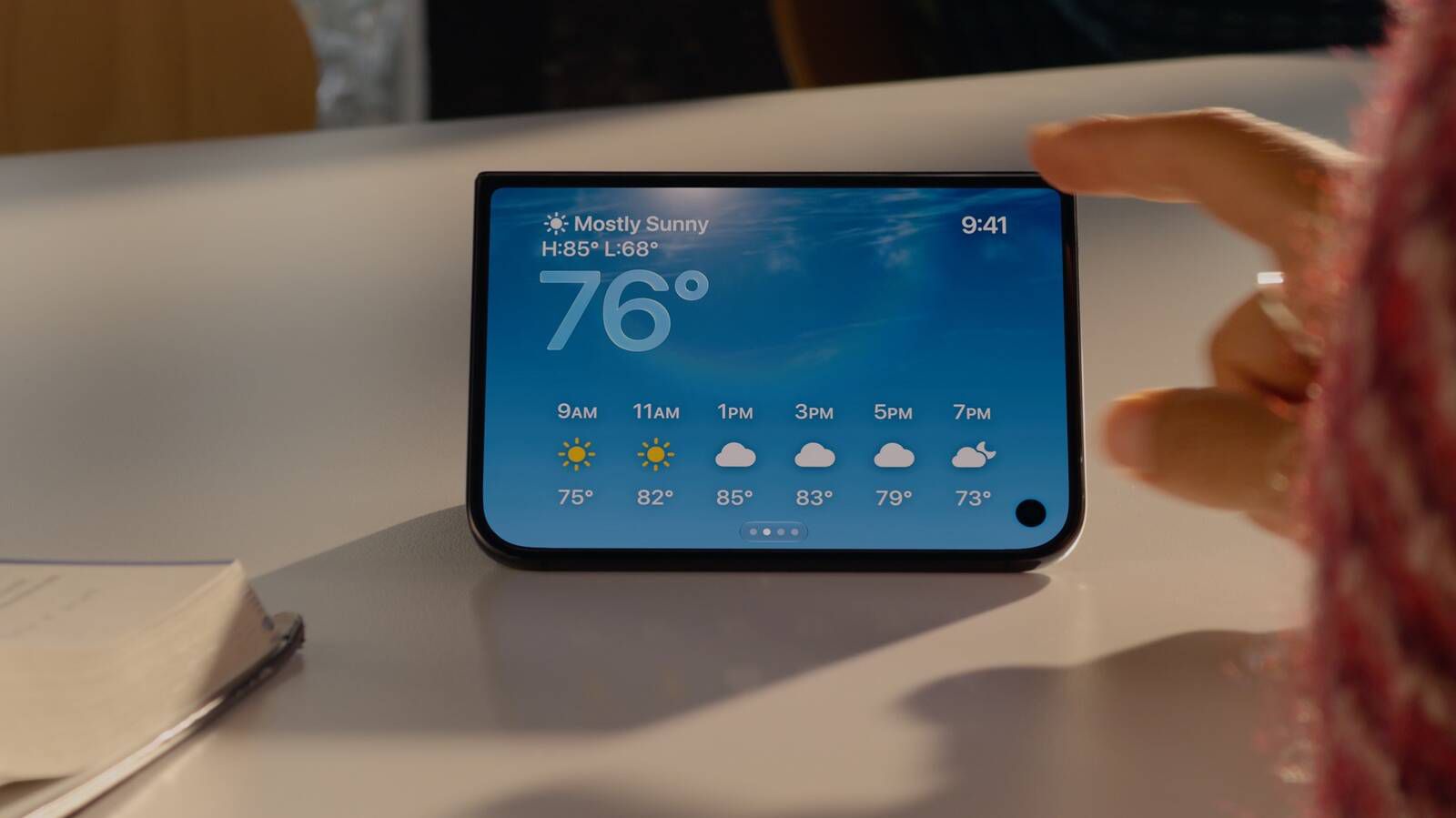
The leaked information highlights a notable expansion in the variety of available StandBy "faces" or display configurations. While marketing materials showcased familiar options like Analog, Digital, Classic Calendar, Weather, Photos, Memories, Shared Albums, and Modular, the deeper dive into the iOS 27.1 simulator has brought to light five entirely new faces. Among these, the "Home Camera" view stands out, offering the ability to display either a single live camera feed or a mosaic of up to nine feeds simultaneously. This feature strongly suggests an integration with Apple’s HomeKit ecosystem, allowing users to monitor multiple security cameras or smart home devices from a glanceable interface.
Another intriguing addition is the "Home Modular" option, which is presumed to provide quick access to smart home controls, further solidifying the iPhone Duo’s role as a central hub for managing connected residences. For enthusiasts of classic animation, a "Snoopy-themed face" has been discovered, adding a touch of whimsy and personalization.
Beyond these, two more faces, "Flow" and "Fade," have been identified. "Flow" is speculated to incorporate dynamic animations, potentially offering a more visually engaging experience. The details surrounding "Fade" remain scarce, leaving room for future reveals or a more minimalistic design approach. These additions indicate Apple’s commitment to diversifying the utility of the StandBy mode, transforming it from a simple clock and notification display into a more personalized and functional dashboard.
Enhanced Customization and Widget Integration
The user experience within StandBy mode is also set to receive a significant upgrade with a robust face editor. This editor will empower users to fine-tune the StandBy interface, allowing for adjustments to various styles and color palettes, mirroring the intuitive customization found in the current iPhone StandBy screens. The inclusion of swipe gestures for rapid visual adjustments further streamlines the personalization process, enabling users to quickly cycle through preferred layouts and aesthetics.
Furthermore, the integration of widgets within StandBy mode is becoming more sophisticated. For clock faces that support widgets, users will have access to five distinct widget layout options: "StandBy," "Stacked," "Top," "Middle," and "Bottom." This granular control over widget placement suggests a move towards a more organized and information-rich display, allowing users to prioritize the data most relevant to them. The ability to customize widget layouts is a critical enhancement, particularly for a device like the iPhone Duo, which aims to provide a seamless multitasking and information access experience.
Contextualizing the iPhone Duo and StandBy Mode Evolution
The introduction of the iPhone Duo marks a significant departure for Apple, venturing into the foldable smartphone market. The device’s design, featuring two screens that connect into a single continuous frame, aims to offer a unique user experience. This dual-display architecture presents new opportunities for software features like StandBy mode, enabling more dynamic and versatile interactions.
The evolution of StandBy mode, from its initial introduction as a feature primarily for MagSafe-charging iPhones in landscape orientation, to its expanded capabilities in iOS 27, reflects a broader trend in the smartphone industry towards devices that serve multiple functions beyond communication. As devices become more integrated into our lives, features that allow them to seamlessly transition into ambient information displays or control centers become increasingly valuable.
The prior speculation surrounding the iPhone Duo and its potential features, including those hinted at during the September 9th event, has now been partially answered by these leaked details. The emphasis on enhanced customization and utility within StandBy mode suggests Apple’s strategy to make the iPhone Duo a compelling proposition for users seeking a device that can adapt to various scenarios, from productivity to passive information consumption.
Market Implications and Competitive Landscape
The enhanced StandBy mode on the iPhone Duo, particularly its expanded customization and widget integration, positions Apple to compete more effectively in the premium smartphone segment, especially as foldable technology matures. Competitors have already introduced various multitasking and ambient display features on their devices. Apple’s approach, characterized by its emphasis on user-friendly customization and a cohesive ecosystem integration, could set a new standard for how users interact with their devices when not actively engaged in tasks.
The ability for the StandBy mode to function even when the iPhone Duo is not charging is a critical development. This suggests optimizations in power management and a design intent to make the feature more accessible throughout the day, not just during charging sessions. This could be particularly advantageous for a foldable device that might be used in a variety of orientations and contexts.
The broader impact of these advancements could influence user expectations for future smartphone software. The trend towards more versatile and personalized device interfaces is likely to accelerate, pushing other manufacturers to innovate in similar areas. The success of the iPhone Duo and its associated software features will undoubtedly be closely watched by industry analysts and consumers alike.
A Glimpse into Apple’s Strategic Vision
The detailed exploration of iOS 27’s StandBy mode on the iPhone Duo offers a tangible glimpse into Apple’s strategic vision for its next generation of devices. The focus on enhancing user control, integrating smart home functionalities, and offering a richer visual experience through new display faces underscores a commitment to refining the user interface and expanding the utility of its hardware.
As the October launch date for the iPhone Duo approaches, further details are expected to emerge, potentially revealing even more about the device’s capabilities and the software innovations that will accompany it. The current leaks, however, provide a strong indication that Apple is preparing to launch a device that not only pushes the boundaries of hardware design but also redefines how users interact with their smartphones in a passive and ambient capacity. The enhanced StandBy mode appears poised to be a key differentiator, transforming the iPhone Duo into a more integrated and indispensable part of the modern connected lifestyle.