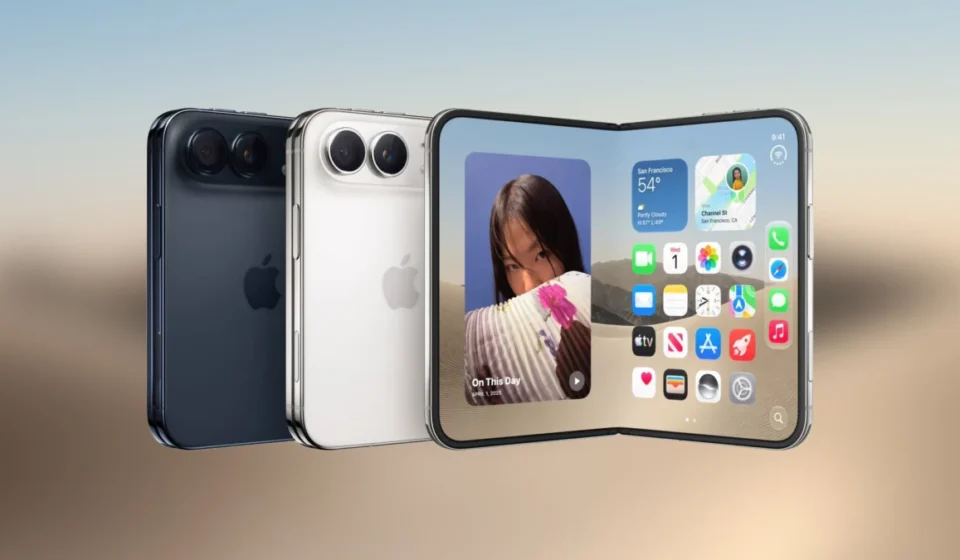
IPhone Duo’s Removable Nano-Texture Cover Layer Offers Enhanced Durability and Serviceability

Apple’s revolutionary foldable iPhone Duo, poised to redefine the smartphone landscape, features a key design element that enhances its longevity and user experience: a removable nano-texture cover layer over the inner display. In a candid interview with content creator Angelica Siciliani Fendi, Kate Bergeron, Apple’s vice president of hardware engineering, confirmed this significant detail, revealing that the protective layer is designed for replacement. This revelation addresses potential concerns about the durability of foldable displays and signals a commitment to user-centric repairability for Apple’s most ambitious mobile device to date.
The iPhone Duo, officially unveiled on September 9, 2026, during Apple’s highly anticipated "Surprise and Shine" event, represents a bold step into the foldable market. The device boasts a dual-screen design that seamlessly transforms into a single, continuous display when unfolded, offering users unprecedented versatility. The core of this innovative design lies in its foldable inner display, and it is precisely this component that benefits from the replaceable nano-texture cover. Bergeron emphasized the practicality of this design choice, stating, "It’s actually replaceable, which is a really nice thing for the customer that you can peel off that layer and get a new one." This statement underscores Apple’s consideration for the long-term ownership experience of its customers.
Addressing Foldable Display Concerns: The Role of the Nano-Texture Layer
The primary function of the nano-texture cover layer is to meticulously mask the visible crease that inevitably forms at the hinge of foldable displays. This engineering feat is crucial for maintaining an immersive visual experience. Bergeron elaborated on the extensive work undertaken by Apple’s hardware engineering team, noting that they "did a significant amount of engineering work" to ensure the layer’s resilience and longevity. However, the acknowledgment that it can be replaced suggests a realistic understanding of wear and tear. Over time, repeated folding and unfolding, or even minor accidental damage, could lead to increased creasing visibility or superficial wear on the layer. The ability to replace it offers a proactive solution to these potential issues, allowing users to restore the pristine appearance of their device’s main screen.
Serviceability and Cost Implications
The announcement of a replaceable cover layer has immediate implications for the servicing and repair ecosystem surrounding the iPhone Duo. According to Apple’s official support documentation, customers in the United States who have purchased AppleCare+ coverage for their iPhone Duo will be able to have the nano-texture cover layer replaced for a nominal fee of $19. This affordable price point for a critical component highlights Apple’s strategy to make repairs accessible and cost-effective under its extended warranty program.
While the cost of replacement for users without AppleCare+ coverage has not yet been disclosed, the $19 figure for insured customers sets a precedent for what might be a relatively low out-of-pocket expense. This contrasts with the potentially higher costs associated with repairing or replacing entire foldable display assemblies in other devices. The specific cost for out-of-warranty replacements will likely be detailed as the iPhone Duo’s launch approaches.
Furthermore, Apple’s established service network is expected to handle these replacements. The company indicated that the ability to replace the iPhone Duo’s cover layer will "likely be limited to Apple Stores and Apple Authorized Service Providers." This ensures that the service is performed by trained technicians using genuine Apple parts, maintaining the device’s integrity and performance. The ease with which end-users might be able to perform this replacement themselves remains uncertain, suggesting that professional servicing is the intended route for most customers.
The iPhone Duo: A New Era for Apple
The introduction of the iPhone Duo marks a significant departure from Apple’s traditional iPhone lineup. The device was officially announced at the "Surprise and Shine" event on September 9, 2026, alongside the anticipated iPhone 18 Pro and Pro Max models, as well as updates to the Apple Watch and AirPods. The foldable iPhone Duo’s announcement was a focal point of the event, generating immense excitement among tech enthusiasts and industry observers.
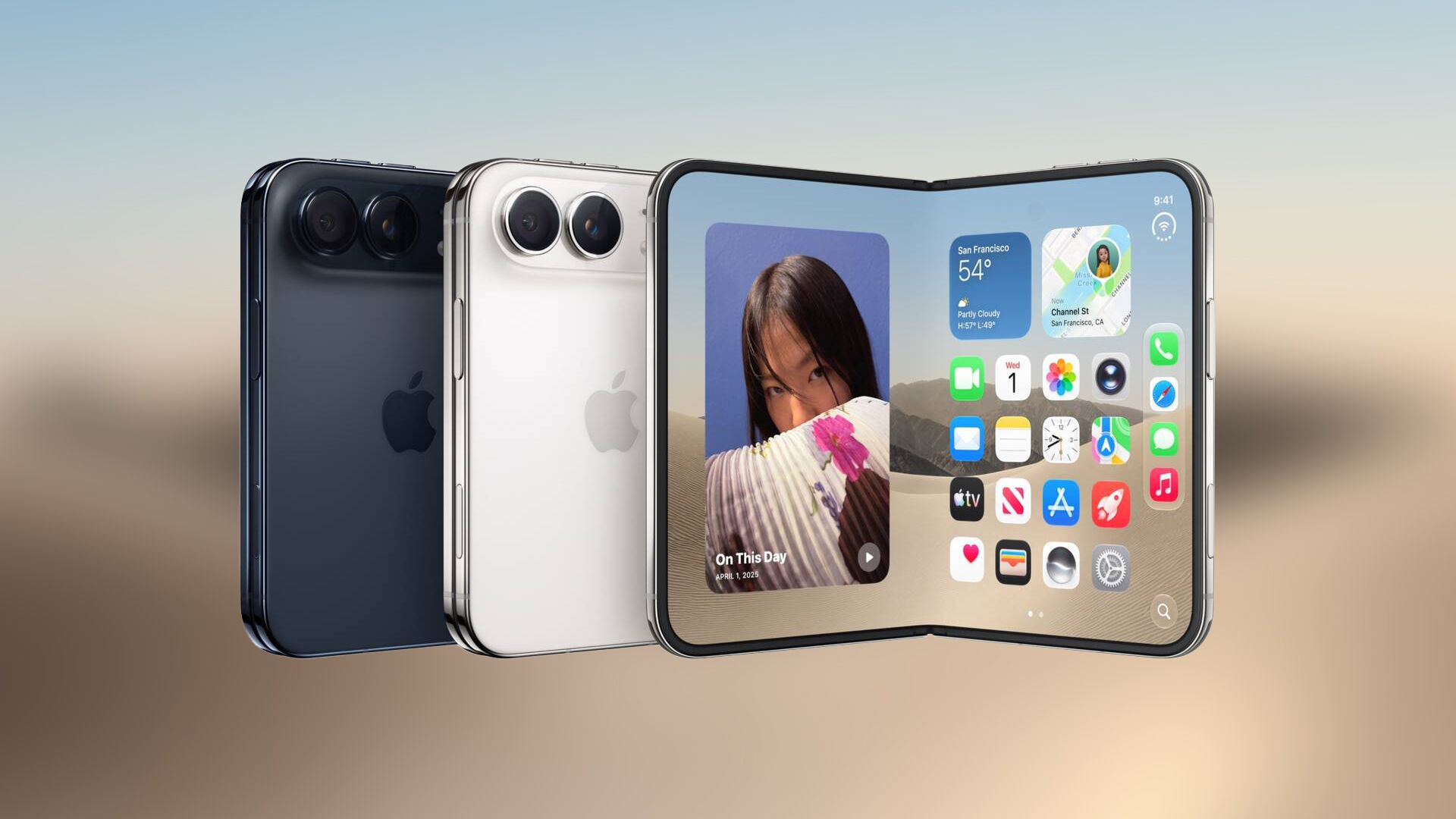
The device features a unique hinge mechanism designed for fluid transitions between its folded and unfolded states. When fully opened, Apple claims the iPhone Duo achieves a new benchmark for thinness in its smartphone portfolio, further emphasizing its innovative engineering. The seamless integration of the two displays, maintaining a consistent aspect ratio across both, aims to provide an uninterrupted user experience, whether for multitasking, content consumption, or creative work.
Pre-orders for the iPhone Duo are scheduled to commence on Friday, October 16, at 5 a.m. Pacific Time. The device will then become available in retail stores on Friday, October 23, allowing consumers to experience this groundbreaking technology firsthand.
Supporting Data and Market Context
The foldable smartphone market, though nascent, has seen significant growth in recent years. Industry analysts have projected continued expansion, driven by advancements in display technology and increasing consumer interest in novel form factors. Companies like Samsung have been at the forefront of this market, releasing several generations of foldable devices. Apple’s entry into this space, with a device as sophisticated as the iPhone Duo, is expected to accelerate market adoption and introduce new design paradigms.
The engineering challenges associated with foldable displays are well-documented. These include developing durable hinge mechanisms, protecting the flexible display from damage, and minimizing the visual impact of the crease. Apple’s approach to the nano-texture cover layer addresses one of these key challenges directly. The company’s historical emphasis on premium materials and meticulous engineering suggests that the iPhone Duo will likely set new standards for foldable device quality and user satisfaction.
The estimated pricing for the iPhone 18 Pro models, revealed ahead of the September 9 event by research firm TrendForce, indicated a starting price of $1,249 for the base iPhone 18 Pro model, a notable increase from its predecessor. While the iPhone Duo’s pricing has not been officially released, its advanced technology and unique form factor suggest it will be positioned at the premium end of Apple’s product spectrum, potentially exceeding the cost of even the Pro Max models. The availability of a relatively inexpensive repair option for a key component like the cover layer could, however, mitigate some of the long-term ownership cost concerns associated with such a high-end device.
Broader Implications and Future Outlook
The decision to make the iPhone Duo’s cover layer replaceable has broader implications for the longevity and sustainability of foldable smartphones. It signals a potential shift in how such devices are manufactured and serviced, moving towards a more modular and repair-friendly approach. This could reduce electronic waste by allowing for targeted component replacement rather than wholesale device replacement due to minor wear and tear on the display surface.
For consumers, this feature provides an added layer of assurance. The prospect of a device that can be maintained and refreshed, rather than degrading over time, is a significant selling point. It encourages a longer ownership cycle and potentially reduces the total cost of ownership, especially for users who opt for AppleCare+.
The success of the iPhone Duo and its innovative design elements, such as the replaceable cover layer, will undoubtedly influence future smartphone development. It could inspire competitors to adopt similar strategies for durability and repairability in their own foldable offerings. As the technology matures, we may see further advancements in materials science and engineering that make foldable displays even more robust and indistinguishable from traditional smartphone screens. Apple’s commitment to user experience, extending even to the serviceability of its most advanced devices, underscores its continued drive to innovate and set new benchmarks in the consumer electronics industry. The iPhone Duo, with its replaceable nano-texture cover layer, appears to be a significant step in that ongoing evolution.