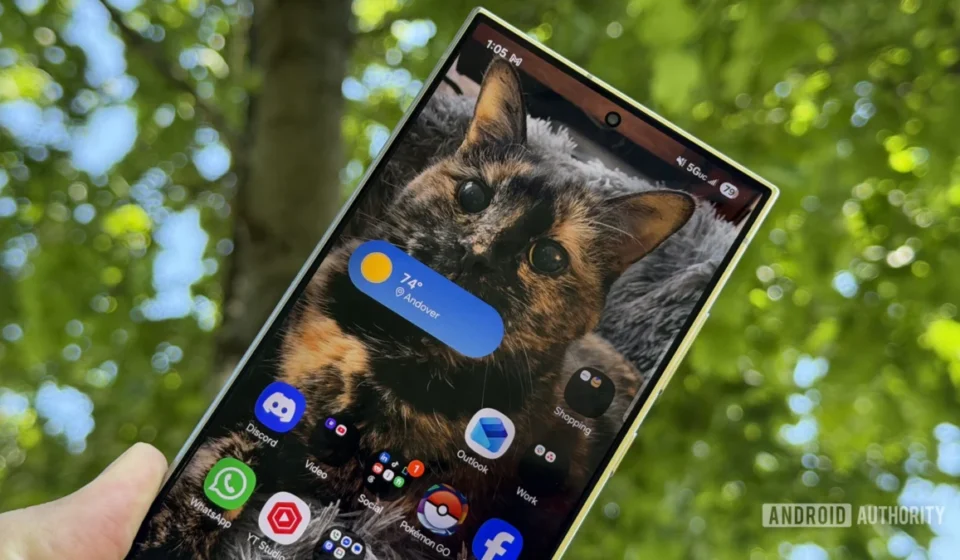
Samsung Galaxy S24 Series Receives September 2026 Security Patch Globally, Anticipation Builds for Stable One UI 9 Release.

Samsung has commenced the global distribution of a new software update for its flagship Galaxy S24 series, encompassing the Galaxy S24, Galaxy S24 Plus, Galaxy S24 Ultra, and the more accessible Galaxy S24 FE. This latest update, arriving as the month concludes, primarily focuses on bolstering device security by integrating the September 2026 Android security patch. While users across the globe will appreciate the enhanced protection, the highly anticipated stable release of One UI 9, based on Android 17, remains pending, prolonging the wait for a significant operating system upgrade for these premium devices.
The September 2026 Security Patch: A Closer Look
The core of the current rollout is the September 2026 security patch, a critical update designed to fortify the security posture of the Galaxy S24 lineup. This patch is reported to address a substantial number of vulnerabilities—specifically, 90 distinct security issues—that have been identified within the Android operating system and Samsung’s proprietary software layers. These vulnerabilities can range in severity from minor glitches to critical exploits that could potentially allow unauthorized access to user data, compromise system integrity, or facilitate malware injection. By patching these identified flaws, Samsung aims to safeguard user privacy, protect sensitive information, and ensure a more secure mobile computing environment for millions of Galaxy S24 owners worldwide.
For the international variants of the Galaxy S24, S24 Plus, and S24 Ultra, the update package is approximately 450MB in size and carries the firmware version S92xBXXSHDZI1. This consistent firmware version across the core S24 models indicates a unified approach to security updates for the primary flagship devices. Concurrently, the Galaxy S24 FE, an integral part of the series offering a blend of premium features at a more accessible price point, is receiving a slightly smaller update, weighing in at 438.23MB, with its firmware identified as S721BXXSEDZI1. These specific firmware identifiers are crucial for users and technical support, helping to verify the successful installation and authenticity of the update. The rollout strategy, initiated just as the month draws to a close, underscores Samsung’s commitment to maintaining a regular cadence of security updates, a practice that has become a cornerstone of its post-sales support for its extensive device portfolio.
One UI 9: Anticipation and Beta Progress
The current security-focused update arrives amidst considerable anticipation for the stable release of One UI 9. Samsung has already embarked on an extensive beta program for One UI 9 across the Galaxy S24 series, allowing a select group of users and developers to test preliminary versions of the new software. Beta programs are vital for identifying bugs, gathering user feedback, and refining the overall user experience before a broad public release. This iterative process, involving multiple beta builds, is a standard industry practice to ensure the stability and reliability of major operating system upgrades.
One UI 9 is expected to bring a host of new features, performance enhancements, and design refinements, building upon the foundational improvements introduced with Android 17. While specific details of One UI 9’s final feature set are typically kept under wraps until the stable launch, major Android and One UI upgrades historically introduce significant user interface overhauls, advanced artificial intelligence capabilities, improved privacy controls, enhanced multitasking features, and optimizations for battery life and system performance. For the S24 series, which already boasts powerful hardware, One UI 9 is poised to unlock new levels of functionality and user interaction, particularly in areas like generative AI tools and personalized user experiences. The delay in the stable release, despite the beta program being well underway, suggests that Samsung is taking a meticulous approach, prioritizing a polished and bug-free experience over a rushed deployment.
Understanding the Update Process: Why the Wait?
The journey from an initial Android version release by Google to its stable implementation on a manufacturer’s device, especially a flagship like the Galaxy S24, is a complex and multi-faceted process. It involves several critical stages, each contributing to the overall timeline. After Google releases the stable version of Android (in this case, Android 17), Samsung’s software development teams begin the arduous task of integrating it with their proprietary One UI skin. This involves extensive customization, optimizing for Samsung’s unique hardware components, and ensuring compatibility with the vast array of features and services that define the Galaxy ecosystem, such as the S Pen functionalities on the S24 Ultra, or specific camera enhancements.
Following this internal development phase, the software undergoes rigorous internal testing to identify and rectify bugs. This leads to the public beta program, where real-world usage data and feedback from a diverse group of testers help to uncover issues that might not be apparent in controlled environments. Each beta build addresses previous bugs and introduces refinements, often resulting in several iterations before a candidate for the stable release emerges. Once Samsung is satisfied with the stability and performance, the software must then secure certification from various mobile carriers across different regions. Carriers often add their own branding, pre-installed applications, and network-specific optimizations, requiring them to test and approve the update before it can be pushed to their subscribers’ devices. This carrier-specific testing and approval process can add several weeks or even months to the overall rollout timeline, varying significantly by region and carrier. Given the global reach of the Galaxy S24 series, coordinating these approvals across hundreds of carriers worldwide is a monumental logistical challenge.
Samsung’s Commitment to Security: A Track Record
Samsung has consistently demonstrated a strong commitment to software updates, particularly concerning security patches. Over recent years, the company has significantly improved its update policy, often being among the first Android manufacturers to roll out monthly security updates to its flagship and even mid-range devices. This proactive stance is critical in the rapidly evolving landscape of cybersecurity threats. By consistently delivering security patches, Samsung not only protects its users from potential exploits but also reinforces trust and loyalty within its customer base.
The "90 security issues" addressed in the September 2026 patch highlight the ongoing diligence required to maintain device security. These issues typically encompass a range of Common Vulnerabilities and Exposures (CVEs) affecting various components, including the Android framework, kernel, system components, and third-party libraries. A single critical vulnerability, if left unpatched, could have severe ramifications, from remote code execution to unauthorized data access. Samsung’s consistent patching schedule ensures that these potential entry points for attackers are promptly closed, reducing the attack surface for malicious actors. This robust update strategy is a key differentiator for Samsung in the competitive Android market, often cited by industry analysts as a benchmark for software support.
The Broader Context: Android 17 and Future Innovations
One UI 9, being built upon Android 17, represents a significant leap forward in mobile operating system capabilities. While Google’s Android releases typically introduce foundational improvements in performance, privacy, and core system functionalities, Samsung’s One UI layers these with distinct user experience enhancements, proprietary applications, and unique hardware integrations. Android 17 itself is expected to bring further refinements in areas such as adaptive battery management, enhanced notification controls, potentially more robust privacy dashboards offering granular control over app permissions, and deeper integration of AI across the system.
For Samsung, One UI 9 will likely leverage these Android 17 foundations to further differentiate its Galaxy experience. This could manifest in more intuitive gesture navigations, refined visual aesthetics, and expanded functionalities for the S Pen, particularly in areas of productivity and creative tasks. Given the industry’s increasing focus on on-device AI, One UI 9 is anticipated to integrate Samsung’s evolving AI capabilities, offering more personalized experiences, smarter photo editing tools, advanced language processing, and predictive assistance that learns from user behavior. The delay in its stable release, therefore, is not just a delay in a simple software update, but a delay in unlocking the full potential of these next-generation features and the underlying Android 17 platform for S24 users.
Implications for Users and the Market
For Galaxy S24 owners, the current situation presents a mixed bag. On one hand, the consistent delivery of monthly security patches provides a crucial layer of protection against emerging cyber threats, ensuring that their devices remain secure. This peace of mind is invaluable in an era where personal data breaches and digital security are paramount concerns. On the other hand, the prolonged wait for the stable One UI 9 update can lead to a degree of user frustration. Flagship device owners, who often invest heavily in their smartphones, expect to be among the first to experience the latest software innovations. The absence of new features and design overhauls can make the user experience feel stagnant, especially when competitors might be rolling out their own Android 17-based updates.
From a market perspective, Samsung’s approach reflects a careful balance between speed and stability. While some manufacturers might prioritize a faster rollout to gain a competitive edge, Samsung’s strategy often leans towards a more cautious, quality-driven release cycle. This can be a double-edged sword: it minimizes post-update issues and customer support burdens, but it can also test the patience of early adopters. The fact that the October 2026 security patch has already begun rolling out to other Samsung devices, such as the Galaxy S26 series, further highlights this dynamic. This raises the possibility that Samsung might bundle the October security patch with the eventual stable One UI 9 release for the S24 series, ensuring that when the major update finally arrives, it includes the very latest security enhancements. Such a move would be pragmatic, avoiding the need for immediate subsequent security updates after the major OS overhaul.
Looking Ahead: When Can We Expect One UI 9?
Samsung has not yet provided an official announcement regarding the specific timeline for the stable One UI 9 rollout for the Galaxy S24 series. However, based on historical patterns and industry trends, certain inferences can be drawn. Major Android updates for Samsung’s flagship lines typically transition from beta to stable release within a few weeks to a couple of months after the beta program has matured and critical bugs have been resolved. Considering the current September security patch and the fact that the October patch is already being deployed on other devices, it is plausible that the stable One UI 9 update for the S24 series could arrive sometime in late October or November 2026. This would allow Samsung to potentially bundle the October security patch, providing a comprehensive and up-to-date software package.
The timing will also be influenced by regional variations and carrier certifications. Users in certain markets or with specific carriers might receive the update earlier or later than others. While the current update ensures ongoing security, the larger upgrade remains the focus of anticipation for many, promising a refreshed user experience and a suite of advanced features. Until an official announcement is made, Galaxy S24 owners will continue to rely on these interim security patches to keep their devices protected while patiently awaiting the full One UI 9 experience.
How to Ensure Your Device is Updated
For Galaxy S24 series owners eager to receive the latest security patch or, eventually, the One UI 9 update, the process is straightforward. Users can manually check for the update directly from their device’s settings menu. To do so, navigate to Settings, then scroll down and tap on Software update, and finally select Download and install. If the update is available for your specific device and region, it will begin downloading. It is advisable to ensure your device has sufficient battery life and is connected to a stable Wi-Fi network before initiating a software update to prevent any interruptions during the installation process. Regular checks are recommended, as rollouts can be staggered, meaning not all devices will receive the update simultaneously.
In conclusion, the arrival of the September 2026 security patch for the Samsung Galaxy S24 series underscores Samsung’s unwavering commitment to device security. While it addresses critical vulnerabilities and maintains the integrity of user data, the ongoing wait for the stable One UI 9 release highlights the intricate balance between delivering timely security updates and ensuring a perfectly polished, feature-rich major operating system upgrade. As the beta program continues to refine the next iteration of One UI, the global Galaxy community remains keenly observant, anticipating the moment their S24 devices fully unlock the potential of Android 17.