Apple Pay Arrives in India, Ushering in a New Era of Contactless Payments Amidst a Competitive Digital Landscape

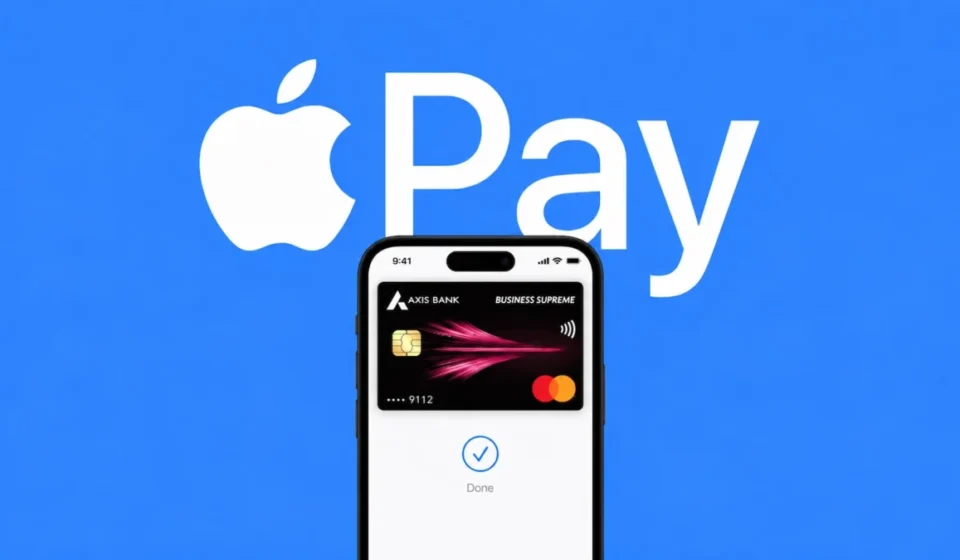
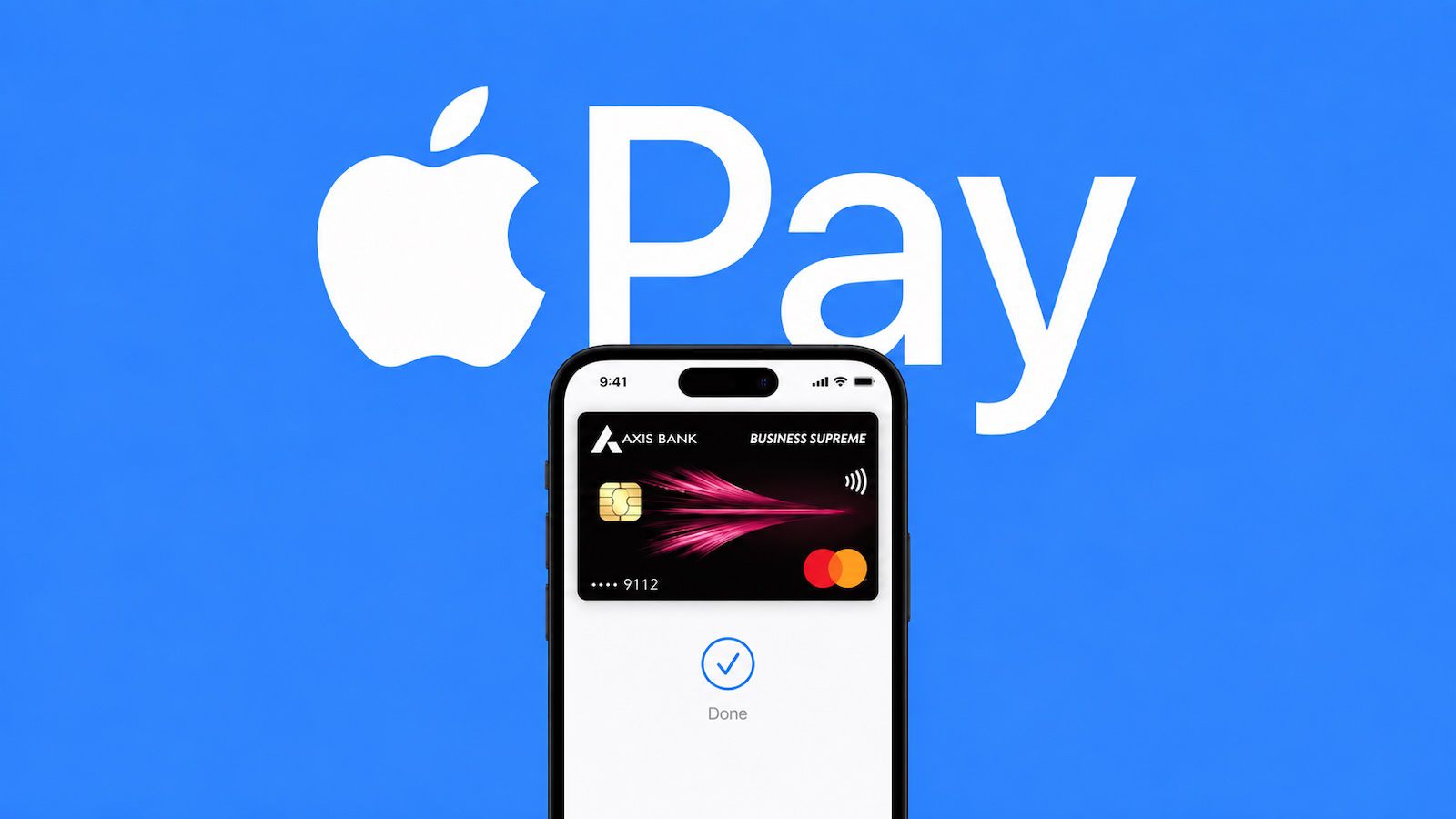
Apple Pay has officially launched in India, marking a significant expansion for the Cupertino-based tech giant’s mobile payment service. The long-awaited rollout allows eligible iPhone and Apple Watch users to seamlessly add their credit cards to the Wallet app, enabling convenient contactless and online transactions. This development signifies Apple’s continued commitment to integrating its ecosystem into the rapidly evolving Indian market, albeit with an initial limited scope due to existing payment infrastructure and regulatory considerations.
The initial phase of Apple Pay’s availability in India is restricted to customers holding Axis Bank credit cards on the Visa or Mastercard networks. This selective launch strategy is common for new payment services entering complex financial markets, allowing for controlled deployment and troubleshooting. However, it means that a substantial portion of Indian consumers, particularly those relying on the nation’s ubiquitous RuPay domestic card network or cards from other major banks like HDFC Bank, ICICI Bank, and SBI Card, will not be able to utilize Apple Pay at this time.
A Decade in the Making: Navigating the Path to India
The journey of Apple Pay to India has been a protracted one, reportedly spanning nearly a decade. Persistent rumors and anticipation have circulated among consumers and industry observers, underscoring the significant market potential India represents. However, the path has been fraught with regulatory hurdles and the formidable presence of established domestic payment systems.
India’s digital payment landscape is dominated by the Unified Payments Interface (UPI), a state-backed initiative that has revolutionized peer-to-peer and business-to-consumer transactions. UPI’s success lies in its ability to facilitate instant, secure, and low-cost fund transfers directly between bank accounts. According to recent reports, UPI accounts for an astonishing 84 percent of India’s digital transaction volume, highlighting its deeply entrenched position in the daily financial lives of millions. This dominance presents a significant challenge for any new entrant, including Apple Pay, which, in its current iteration, does not integrate with the UPI network.
Initial Rollout and Merchant Adoption
The success of Apple Pay’s launch hinges not only on consumer adoption but also on merchant readiness. Reports from industry publications, such as TechCrunch, indicated that merchants and payment terminals would need to implement specific support for Apple Pay. This suggests a phased approach to merchant integration, meaning that while Apple Pay can be used for contactless payments, its availability may vary across different retail locations and payment points across the country. This dependency on third-party infrastructure is a crucial factor for consumers to consider when evaluating the immediate utility of the service.
The lack of support for RuPay, India’s homegrown card network, is another significant limitation. RuPay, developed by the National Payments Corporation of India (NPCI), has witnessed exponential growth and is a cornerstone of the country’s financial inclusion efforts. Its exclusion from Apple Pay’s initial offering means that a vast number of cardholders will be unable to leverage the service. Similarly, the absence of support from major banking institutions such as HDFC Bank, ICICI Bank, and SBI Card further curtails the immediate reach of Apple Pay.
Competitive Landscape and Consumer Behavior
India’s digital payment ecosystem is characterized by fierce competition and diverse consumer preferences. UPI’s rapid adoption has fostered a generation of users accustomed to seamless, low-friction digital transactions. Beyond UPI, other digital wallets and payment platforms have also carved out significant market share, offering a range of services from bill payments to e-commerce transactions.
Apple Pay’s value proposition in this environment will likely center on its security features, ease of use for Apple device users, and its potential to enhance the overall shopping experience. The tokenization technology underpinning Apple Pay ensures that sensitive card details are not stored on the device or shared with merchants, offering a robust layer of security. For users invested in the Apple ecosystem, the seamless integration with their iPhones and Apple Watches provides a convenient and intuitive payment method.
However, the existing reliance on UPI, which is often integrated directly into merchant apps and websites, may present a learning curve for some consumers. The widespread availability and familiarity of UPI mean that many users may not see an immediate compelling reason to switch to or supplement their payment habits with Apple Pay, especially given its current limitations.
Broader Implications and Future Prospects
The arrival of Apple Pay in India is more than just a new payment option; it represents a significant development in the ongoing global expansion of digital payment technologies and Apple’s strategic positioning within key international markets. While the initial rollout is modest, it lays the groundwork for potential future growth and integration.
One of the key questions moving forward will be Apple’s strategy to address the limitations and expand its reach. This could involve:
- Expanding Bank and Network Partnerships: Securing partnerships with more major Indian banks and the RuPay network will be crucial for broader adoption. This may require further negotiations with financial institutions and regulatory bodies to align with local requirements.
- Integration with UPI: While technically challenging due to differing architectures, a future integration or interoperability with UPI would be a game-changer, instantly unlocking access to the vast majority of digital transactions in India.
- Leveraging the Apple Ecosystem: Apple can further incentivize adoption by integrating Apple Pay more deeply into its own services within India, such as the App Store, Apple Music, and iCloud subscriptions, offering exclusive benefits or seamless payment flows.
- Merchant Education and Incentives: Proactive efforts to educate merchants about the benefits of accepting Apple Pay and potentially offering incentives for early adopters could accelerate its acceptance.
The timing of this launch also comes amidst broader global discussions and legal challenges surrounding mobile payment technologies. Recent reports indicate that banks and credit unions in the U.S. are banding together to challenge Apple Pay fees in an ongoing antitrust lawsuit. This legal climate underscores the intense scrutiny that dominant tech platforms face in the financial services sector. While the Indian context is distinct, it highlights the complex regulatory and competitive environment in which Apple Pay operates globally.
The long-term success of Apple Pay in India will likely depend on its ability to adapt to the unique characteristics of the Indian market, foster strong partnerships, and offer a compelling value proposition that resonates with a diverse consumer base. The initial limited rollout serves as a critical first step, providing valuable insights and setting the stage for what could become a significant chapter in India’s digital payment revolution. As India continues its trajectory as a major digital economy, the penetration of services like Apple Pay will be closely watched as indicators of global tech giants’ ability to navigate and thrive in its dynamic landscape.