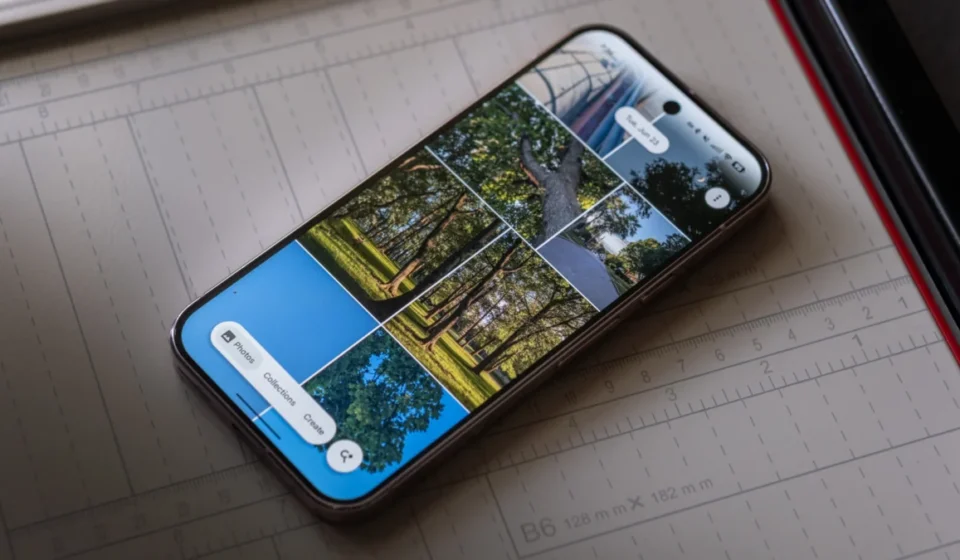
Google Photos Swiftly Resolves Critical Freezing Bug, Restoring Seamless Editing Capabilities for Users Globally

In a rapid response to widespread user complaints, Google has successfully deployed a fix for a critical bug that caused its popular Google Photos application to freeze after users interacted with its editing tools. The swift resolution, confirmed by Google to Android Authority, comes just days after reports of the debilitating issue began to surface, highlighting the tech giant’s commitment to maintaining the stability and usability of one of its most indispensable services. The patch, delivered through version 7.94.0.988717361 of the Google Photos app, is now available, promising a return to seamless photo management for its vast global user base.
The bug, which some users described as profoundly disruptive, manifested specifically after individuals engaged with Google Photos’ built-in editing suite. Once an editing function was initiated—be it cropping, adjusting colors, applying filters, or other enhancements—the application would unexpectedly become unresponsive, effectively locking users out and preventing any further action within the app. This forced users to either forcibly close the application or wait for an indefinite period, often resulting in lost edits and significant frustration. The problem was particularly vexing given that photo editing is a core functionality of Google Photos, relied upon by millions for quick touch-ups and creative enhancements before sharing or archiving their digital memories.
The Nature of the Glitch: Detailing the Freezing Issue
For many impacted users, the experience was a jarring interruption to their workflow. Imagine meticulously adjusting the lighting of a cherished photograph or carefully cropping a scenic landscape, only for the application to suddenly halt, its interface frozen and unresponsive to touch inputs. This wasn’t merely a minor inconvenience; it was a fundamental breakdown in the user experience, rendering a primary feature of the app unusable. Reports indicated that the freeze was consistent once triggered, suggesting a specific interaction or sequence within the editing process was inadvertently initiating the malfunction. While the exact technical root cause—whether a memory leak, a threading issue, or a conflict with a specific device configuration—was not publicly detailed by Google, the rapid deployment of a fix suggests it was a well-identified software defect rather than an obscure, intermittent anomaly. The consistency of the bug across various devices that received the initial reports further underscored its systemic nature, affecting a significant segment of Google Photos users who routinely leverage the app’s editing capabilities.
A Swift Resolution: Google’s Response and the Patch
Google’s engineering teams acted with commendable speed in addressing the problem. The official statement provided to Android Authority confirmed the rollout of the fix: "We’ve rolled out a fix for this issue. It is available now in the latest version of the Google Photos app (version 7.94.0.988717361)." This direct communication underscores Google’s recognition of the bug’s severity and its proactive approach to transparency with the tech media and, by extension, its user community. The availability of a specific version number is crucial for users, allowing them to verify that they have the corrected build installed. For those still encountering the freezing issue, the advice is clear: head to the Google Play Store and ensure the application is updated to the latest available version. This client-side update mechanism means that users must actively download and install the new version to benefit from the fix, rather than relying on a server-side patch that would automatically propagate without user intervention. This approach is standard for resolving app-specific software bugs, ensuring that the corrected code is running directly on the user’s device.
Chronology of the Incident: From Reports to Remediation
The timeline of this incident speaks volumes about the agility of modern software development and bug resolution cycles, especially for critical applications. While specific dates for the first user reports are often hard to pinpoint precisely, the issue gained significant traction and media attention approximately one week prior to the fix announcement. Android Authority was among the first to highlight the "annoying Google Photos bug" in its coverage last week, drawing attention to the widespread user frustration. This initial reporting likely served as a catalyst, either confirming internal reports Google was already tracking or elevating the issue to a higher priority.
Within days of the public acknowledgment of the bug, Google had not only identified the problem but had also developed, tested, and pushed out a corrective update. This rapid turnaround is impressive, particularly for an application as complex and widely used as Google Photos, which must operate flawlessly across an immense diversity of Android devices, operating system versions, and hardware specifications. The process would have involved isolating the faulty code, developing a patch, rigorous internal testing to prevent regressions or new bugs, and then coordinating the release through the Google Play Store. The entire cycle, from initial reports gaining traction to a confirmed fix, appears to have spanned less than two weeks, a testament to Google’s dedicated support infrastructure for its flagship products.
The Significance of Google Photos: A Pillar of Digital Memory Management
To fully appreciate the impact of this bug and the importance of its swift resolution, one must consider the unparalleled role Google Photos plays in the digital lives of billions. Launched in 2015 as a standalone service spun off from Google+, Google Photos quickly ascended to become the dominant cloud-based photo and video storage solution. It boasts over a billion users worldwide, making it one of the most widely adopted applications in history. Its appeal stems from its intuitive interface, powerful search capabilities (driven by Google’s advanced AI for facial recognition, object identification, and scene analysis), automatic backup features, and its integrated editing tools.
For many, Google Photos is more than just an app; it is the primary repository of their most cherished memories, from family vacations and milestone events to everyday moments captured on their smartphones. The seamless integration across Android devices, its accessibility on iOS and through web browsers, and its intelligent organizational features have made it indispensable. The editing tools, in particular, are not just an afterthought but a vital component that empowers users to enhance their photos without needing to export them to separate, more complex photo editing software. The ability to quickly crop, adjust exposure, apply filters, or even use more advanced AI-powered tools like Magic Eraser (available to some users) directly within the app contributes significantly to its utility and user satisfaction. Therefore, any disruption to these core functionalities has a ripple effect on millions of daily users.
Impact on User Experience and Trust
Software stability is paramount for user satisfaction and, critically, for maintaining user trust. In an era where digital services are deeply integrated into daily life, users expect applications to function flawlessly. A bug that causes an app to freeze, especially during a critical interaction like editing a photo, can quickly erode this trust. It disrupts the user’s workflow, causes frustration, and can lead to a perception of unreliability. For an application like Google Photos, which handles irreplaceable personal data, trust is not merely a preference but a fundamental requirement. Users entrust Google with their memories, and any perceived vulnerability or instability can make them reconsider their choice of service.
The rapid identification and resolution of this freezing bug by Google serve as a powerful reassurance to its user base. It demonstrates that the company is actively monitoring performance, responsive to user feedback and reports, and capable of deploying effective solutions promptly. This agility helps to mitigate potential long-term damage to user loyalty and reinforces the perception of Google Photos as a dependable and well-maintained platform. In a highly competitive market for cloud storage and photo management, where alternatives like Apple Photos, Microsoft OneDrive, Dropbox, and various third-party apps vie for market share, maintaining a pristine user experience is crucial for retention.
Understanding Software Development and Bug Fixes
It is important to contextualize this incident within the broader landscape of software development. Bugs are an inherent part of creating and maintaining complex software systems, especially those operating at Google Photos’ scale. With billions of lines of code, constant feature additions, and the need to support an ever-evolving array of devices and operating system updates (like new versions of Android), it is virtually impossible to release software that is entirely bug-free. The challenge for developers lies not in preventing all bugs, but in identifying and resolving them efficiently when they do arise.
Modern software development methodologies, such as Agile and DevOps, emphasize continuous integration and continuous delivery (CI/CD), allowing for frequent updates and rapid deployment of fixes. Google’s response to this Photos bug is a prime example of these principles in action. User feedback, often channeled through bug reports, forums, and tech media, plays a critical role in this ecosystem, acting as an early warning system for developers. Once a bug is reported and confirmed, engineers work to replicate the issue, diagnose its root cause, develop a patch, test it thoroughly to ensure it doesn’t introduce new problems (a process known as regression testing), and then release it to the public. The speed with which this cycle was completed for the Google Photos freezing bug underscores the efficiency of Google’s development pipeline for critical applications.
Broader Implications for the Ecosystem
The resolution of this bug extends beyond just the Google Photos app itself; it has broader implications for the entire Android ecosystem. Google Photos is deeply integrated into Android devices, often serving as the default gallery app and a core component of the Google Mobile Services (GMS) suite. The smooth functioning of such a pivotal app reflects positively on the overall stability and reliability of the Android platform. Conversely, persistent issues in a high-profile Google app could cast a shadow on the user experience of Android devices as a whole.
Furthermore, this incident highlights the ongoing challenge for app developers to ensure compatibility and performance across the fragmented Android landscape. With thousands of device models from various manufacturers, each with its own hardware configurations, software customizations, and Android version variations, ensuring a consistent experience is a monumental task. The fact that a single update could address the freezing issue across this diverse ecosystem suggests that the bug was likely tied to a core component of the Google Photos app itself rather than a specific device or OS iteration.
Looking Ahead: Maintaining App Stability
While the immediate crisis of the freezing bug has been averted, the ongoing commitment to app stability remains a continuous process for Google. As new features are rolled out, as Android evolves, and as user expectations grow, the need for rigorous testing and responsive support will only intensify. Google Photos, like all major software applications, will undoubtedly encounter further challenges and require continuous updates. The key will be to maintain the same level of vigilance and responsiveness demonstrated in this recent episode.
Users, in turn, play a crucial role by continuing to report issues, provide feedback, and update their applications regularly. The symbiotic relationship between developers and users, facilitated by official channels and tech journalism, is essential for the health and evolution of digital services.
Conclusion: A Return to Seamless Photo Management
The swift resolution of the Google Photos freezing bug marks a significant victory for user experience and a testament to Google’s commitment to its flagship applications. What could have become a prolonged source of frustration for millions has been addressed with impressive speed, restoring the seamless editing capabilities that users rely upon daily. With version 7.94.0.988717361 now widely available, Google Photos users can once again confidently engage with their digital memories, knowing that their creative endeavors will not be interrupted by unexpected application freezes. This episode serves as a powerful reminder of the delicate balance between innovation and stability in the fast-paced world of software development, a balance Google has demonstrably managed to uphold in this instance.