Google Fitbit Air Welcomes First Official Third-Party Band with dbrand Pulse Launch

The Google Fitbit Air, a significant entrant into the competitive health and fitness wearable market, is marking a notable milestone with the introduction of its first officially certified third-party accessory. Popular accessory manufacturer dbrand has unveiled its Pulse Band, specifically designed for the Fitbit Air, making it the premier non-Google-produced band to be made available on the Google Store. This development, which sees the Pulse Band launch today, Wednesday, November 11, at a price point of $34.95, signals Google’s intensified efforts to cultivate a robust and diverse accessory ecosystem for its latest wearable.
This move by Google and dbrand comes approximately five months after Google initially attempted to foster an open accessory market for the Fitbit Air. In an unprecedented step for the tech giant, Google released detailed 2D CAD drawings and comprehensive official instructions for the Fitbit Air’s band interface in June 2026. This initiative was designed to empower both independent accessory makers and enthusiastic hobbyists to develop and produce their own custom bands, aiming to rapidly expand the customization options available to Fitbit Air users. However, despite this open-source approach to design specifications, the anticipated influx of new options from third-party manufacturers did not materialize as quickly or broadly as perhaps Google had hoped. The landscape of certified accessories remained largely sparse, with Google’s own offerings dominating the limited selection.
The Evolution of the Fitbit Air Accessory Ecosystem
The Google Fitbit Air, launched earlier in 2026, represented a crucial strategic product for Google, aiming to seamlessly integrate Fitbit’s renowned health tracking capabilities with Google’s expansive software and hardware ecosystem. From its inception, the success of the Fitbit Air, like many modern wearables, was understood to be intricately linked to the breadth and quality of its accessory offerings. Customization through bands is a key driver for consumer engagement and differentiation in a crowded market dominated by players like Apple and Samsung. Early reviews and user feedback often highlighted the potential for the device but also pointed to the relatively limited options for personalization, a common challenge for new hardware platforms.
Google’s decision to release 2D CAD drawings was a bold and progressive strategy, indicative of a desire to accelerate market adoption and foster innovation from the ground up. This approach contrasted sharply with the more closed ecosystems often seen in the wearable space, where manufacturers typically maintain tight control over accessory production or partner exclusively with a select few. The underlying philosophy was that by lowering the barrier to entry for design and production, a vibrant community of accessory developers would emerge, offering a wide array of styles, materials, and functionalities to cater to diverse user preferences. The hope was to replicate, in some form, the expansive accessory markets seen for smartphones and other popular consumer electronics.
However, the period following the release of these specifications saw a measured, rather than explosive, response. For several months, new additions to the Fitbit Air’s band lineup were scarce. Indeed, prior to today’s dbrand launch, the most significant new certified accessory had been Google’s own Metal Mesh Band, which debuted just last month, in October 2026. While a welcome addition, it underscored the slow pace at which external partners were entering the certified market. This apparent lag could be attributed to several factors: the inherent complexities of manufacturing for a new device, the investment required for tooling and production, the need to navigate Google’s certification processes, and perhaps a cautious "wait-and-see" attitude from potential manufacturers gauging the Fitbit Air’s market penetration.
Google’s Proactive Pursuit of Partnerships
The narrative around the dbrand Pulse Band’s genesis reveals a pivotal shift in Google’s accessory strategy. Rather than solely relying on the open-source initiative to organically generate new options, it has been reported that Google itself actively approached dbrand. This proactive engagement signifies Google’s recognition of the critical need to diversify and enrich the Fitbit Air’s accessory landscape. Unofficial reports suggest that the Fitbit Air has been exceeding Google’s internal sales expectations, selling much faster than initially projected. This unexpected surge in demand has naturally amplified the urgency to provide users with more ways to personalize their devices, ensuring sustained consumer satisfaction and market momentum.
The decision to reach out to dbrand specifically is strategic. dbrand has carved out a significant niche in the tech accessory market, known for its high-quality skins, cases, and bands for a wide array of devices. Their reputation for precision engineering, premium materials, and distinctive design language makes them an ideal partner for Google. The collaboration transcends simply utilizing the publicly available 2D CAD blueprints. Instead, dbrand developed the Pulse Band through the official "Made for Google" program. This distinction is crucial. The "Made for Google" certification is a rigorous process, ensuring that accessories not only fit perfectly but also adhere to Google’s stringent quality, durability, and, critically, skin-safety requirements. This program provides an assurance of quality and compatibility that generic or uncertified accessories cannot match, building consumer trust and upholding the brand integrity of both Google and Fitbit.
A Closer Look at the dbrand Pulse Band
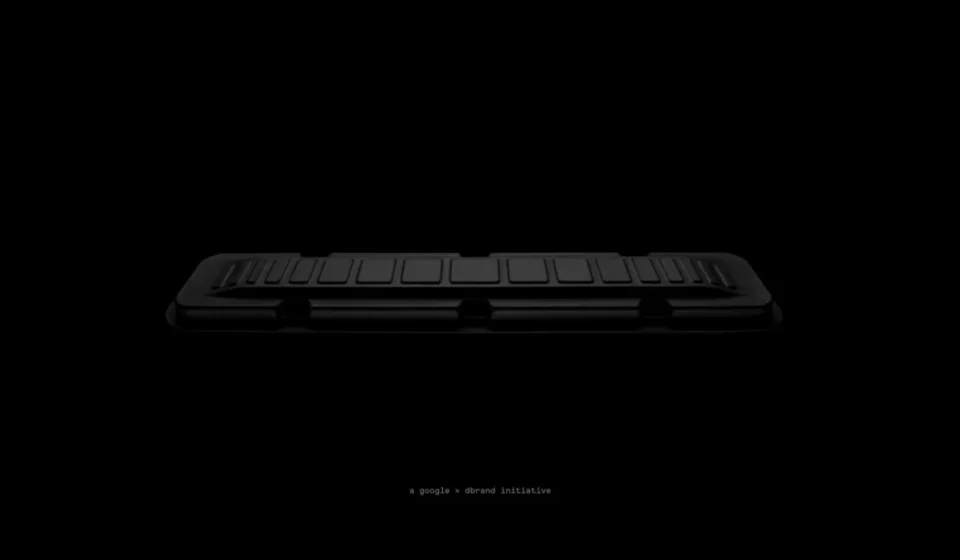
The dbrand Pulse Band, while representing a significant milestone in terms of partnership, maintains a design philosophy consistent with dbrand’s established aesthetic: minimalist, functional, and robust. It boasts an all-black, understated design characterized by subtly raised rectangular sections across its body. This textural element adds visual interest without being overtly flashy, aligning with a versatile, modern aesthetic.
Material science plays a critical role in the band’s construction. dbrand has opted for medical-grade silicone, a material renowned for its durability, flexibility, and hypoallergenic properties. This choice ensures the band is comfortable for prolonged wear, resistant to sweat and environmental elements, and suitable for individuals with sensitive skin. The material’s inherent resilience makes it ideal for a device like the Fitbit Air, which is designed for continuous wear, including during intense physical activities.
Further enhancing its practical appeal, the Pulse Band features a moisture-wicking, matte black finish. This specialized finish is designed to actively manage sweat and moisture, preventing the uncomfortable clamminess often associated with standard silicone bands during workouts or in humid conditions. The matte appearance also contributes to its sleek, professional look, resisting fingerprints and maintaining its aesthetic integrity over time.
Attention to detail extends to the band’s ergonomic design. dbrand explicitly highlights the absence of parting lines or seams along the edges. This seemingly minor detail has significant implications for user comfort and hygiene, as these traditional manufacturing artifacts can often trap dried sweat, dirt, and skin oils, leading to irritation or unpleasant odors. By eliminating them, dbrand has crafted a smoother, more comfortable surface that is easier to clean and maintain. Complementing this, built-in airflow channels are integrated into the band’s interior. These channels are engineered to improve breathability, allowing air to circulate between the band and the skin, further reducing moisture buildup and enhancing comfort, particularly during extended wear or strenuous activity.
The design ethos behind the Pulse Band leans towards a neutral and adaptable aesthetic. It is consciously crafted to be versatile, performing equally well in a high-intensity gym environment as it would paired with casual outdoor clothing or even more formal attire, thanks to its minimalist black design. This versatility is a key selling point for users who desire a single band that can transition seamlessly across various contexts without needing to be swapped out.
In terms of availability, the Pulse Band is offered in a single color—black—but addresses sizing diversity with two distinct options. The Small size is designed to fit wrists measuring between 130 and 175mm, while the Large option accommodates wrists from 165 to 210mm. This dual-size approach ensures that a broad spectrum of users can find a comfortable and secure fit, an essential consideration for a health-tracking device where proper sensor contact is crucial for accurate data collection.
The dbrand Pulse Band is now available for purchase worldwide, directly through dbrand’s official website and, significantly, on the Google Store. Its price of $34.95 positions it competitively within the premium accessory market for wearables, offering a high-quality, officially certified option that balances design, durability, and comfort.
Market Implications and Broader Impact
The introduction of the dbrand Pulse Band carries significant implications for Google, dbrand, and the broader wearable technology market.
For Google and the Fitbit Air Ecosystem:
This partnership addresses a critical need for accessory diversity, which is vital for the long-term success of any wearable platform. By bringing a reputable third-party manufacturer like dbrand into the official "Made for Google" program, Google not only expands its product offerings but also validates its commitment to fostering an open yet controlled accessory ecosystem. This move could significantly boost Fitbit Air sales by providing consumers with more compelling personalization options, potentially attracting new users who prioritize style and customization alongside health tracking functionalities. It also sets a precedent for future collaborations, signaling to other premium accessory makers that Google is actively seeking partners and is prepared to invest in these relationships. This approach positions Google more favorably against competitors like Apple, which has a deeply entrenched and highly lucrative accessory market for its Apple Watch.
For dbrand:
The official partnership with Google provides dbrand with a substantial boost in visibility and legitimacy. Being the first officially certified third-party band on the Google Store for the Fitbit Air elevates dbrand’s brand profile significantly. It solidifies their reputation as a premium accessory maker capable of meeting the stringent quality and safety standards of a major tech company. This collaboration also allows dbrand to expand its product portfolio into the rapidly growing wearable accessory market, tapping into a new customer base and diversifying its revenue streams beyond its traditional skins and cases. The "Made for Google" badge acts as a powerful endorsement, enhancing consumer trust in dbrand’s product quality and design integrity.
For Consumers:
The most immediate benefit for Fitbit Air users is the increased choice of high-quality, officially sanctioned accessories. The dbrand Pulse Band offers a compelling option that combines robust materials, thoughtful design, and enhanced comfort features, all backed by Google’s certification. This ensures that users are investing in an accessory that is guaranteed to be compatible, safe, and durable. More options mean better opportunities for users to personalize their devices to match their style, activities, and comfort preferences, ultimately enhancing their overall user experience with the Fitbit Air. It also instills confidence that Google is actively listening to market demands and working to improve the ecosystem surrounding its hardware.
For the Wearable Market:
This development underscores the growing importance of accessory ecosystems in the competitive wearable space. As core functionalities like health tracking and notifications become increasingly commoditized, differentiation often comes down to design, user experience, and personalization. Google’s strategic shift from a purely open-source CAD approach to actively recruiting "Made for Google" partners highlights a maturing understanding of how to cultivate a successful hardware platform. This hybrid strategy—offering open resources while also actively seeking high-quality certified partners—could serve as a model for other tech giants entering or expanding their presence in the wearable market. It emphasizes that while innovation can be crowd-sourced, quality and brand consistency often require structured partnerships.
Future Outlook for the Fitbit Air
Looking ahead, the dbrand Pulse Band’s launch is likely just the beginning of an accelerated expansion of the Fitbit Air’s accessory line-up. With Google actively engaging partners and the Fitbit Air reportedly performing well in sales, the incentive for other accessory manufacturers to join the "Made for Google" program will only grow. Consumers can anticipate a wider array of materials, colors, and designs, from sporty silicone to elegant leather or metal options, catering to an even broader spectrum of tastes and needs.
The long-term vision for the Fitbit Air likely involves establishing it not just as a leading health tracker but as a customizable fashion statement and an integral part of the Google ecosystem. A rich accessory market is paramount to achieving this. The partnership with dbrand is a clear signal that Google is committed to investing in this ecosystem, ensuring that the Fitbit Air remains a compelling and versatile choice for consumers navigating the dynamic world of wearable technology. As the platform matures, the interplay between Google’s own innovations and the creativity of its "Made for Google" partners will be crucial in defining the ultimate success and longevity of the Fitbit Air.