
Google has announced a significant expansion of its smart home capabilities, bringing digital home keys directly into Google Wallet. This new functionality, initially rolling out to participants in the Google Home app’s Public Preview, promises to revolutionize how users interact with their smart locks, offering enhanced convenience and security through Near Field Communication (NFC) and Ultra-Wideband (UWB) technologies. Compatible smart lock owners will soon be able to unlock their doors with a simple tap of their smartphone or even automatically as they approach their home, marking a pivotal step towards a more integrated and effortless smart home experience.
The Evolution of Smart Home Access and the Drive for Interoperability
The journey towards truly smart homes has been characterized by rapid innovation alongside persistent challenges in interoperability and user experience. Early smart locks, while offering a departure from traditional physical keys, often relied on proprietary apps, Bluetooth connections, or Wi-Fi bridges, leading to a fragmented ecosystem. Users frequently had to juggle multiple applications from different manufacturers to manage various smart devices, diminishing the promise of a unified smart home.
Google’s existing smart home infrastructure, centered around the Google Home app, already provides a degree of convenience, allowing users to control compatible locks, lights, and other devices from a single interface. Features like one-tap unlock options within the Google Home app have streamlined access, saving passcodes and offering basic remote control. However, these solutions often still required active interaction with an app or widget. The true vision of a seamless smart home, where devices anticipate needs and respond intuitively, necessitated a more profound integration.
This vision began to crystallize with the advent of the Matter standard. Developed by the Connectivity Standards Alliance (CSA), Matter emerged as an open, industry-unifying standard designed to improve compatibility, security, and reliability across a diverse range of smart home devices. Its core objective is to ensure that devices from different manufacturers can communicate effortlessly with each other, liberating consumers from vendor lock-in and simplifying the setup and management of their smart homes. Matter leverages existing technologies like Wi-Fi, Thread, and Ethernet, providing a robust foundation for device connectivity and local control, reducing reliance on cloud services and enhancing responsiveness.
Building upon the Matter framework, the CSA introduced Aliro, a new open access standard specifically tailored for digital keys. Aliro is designed to provide a secure and standardized way for digital credentials, such as home keys, to be stored and used across various platforms and devices. Its focus on security, privacy, and interoperability makes it a crucial component for the widespread adoption of digital keys, ensuring that the underlying technology is robust enough to handle sensitive access control. Google’s adoption of Aliro within Google Wallet signifies a strong endorsement of open standards and a commitment to creating a future where digital access is as universal and secure as physical keys once were.
Google’s Strategic Integration into the Digital Wallet Landscape
The decision to integrate digital home keys into Google Wallet is a strategic move that aligns with Google’s broader ambition to centralize digital credentials and make the smartphone an indispensable tool for daily life. Google Wallet, already a hub for payment cards, transit passes, loyalty cards, and digital car keys, is now expanding its utility to encompass physical access to one’s home. This integration positions Google to compete more directly in the burgeoning digital key market, which has seen increasing activity from other tech giants.
Samsung, for instance, introduced similar digital key functionality to its Samsung Wallet earlier this year. This allowed owners of compatible smart locks to unlock doors simply by tapping their Galaxy phones, demonstrating the growing demand for such convenience. However, Google’s implementation takes this a step further by incorporating both NFC and Ultra-Wideband (UWB) technologies, offering different tiers of seamlessness.
The inclusion of UWB is particularly noteworthy. While NFC provides a highly secure "tap-to-unlock" experience, UWB enables precise spatial awareness, allowing for "unlock on approach" functionality. This means a user’s door can unlock automatically as they near it, without requiring any physical interaction with their phone. This hands-free operation represents the pinnacle of convenience for smart home access, eliminating the need to fumble for keys or even take out a phone. By leveraging UWB, Google is pushing the boundaries of what’s possible in smart home automation, offering a level of effortless interaction that was previously aspirational.

This move also places Google Wallet in direct competition with Apple’s HomeKey, which has offered similar functionality for some time, primarily leveraging NFC for tap-to-unlock capabilities with compatible locks within the Apple HomeKit ecosystem. By embracing open standards like Matter and Aliro, Google aims to foster a more inclusive ecosystem, allowing a wider range of manufacturers to participate and offer compatible devices, ultimately benefiting consumers through greater choice and flexibility.
Technical Deep Dive: NFC and UWB for Home Access
The new Google Wallet digital home key feature harnesses two distinct wireless technologies, each offering unique advantages for smart lock interaction:
Near Field Communication (NFC):
NFC is a short-range wireless technology that allows two devices to communicate when they are brought within a few centimeters of each other. For smart locks, NFC enables a "tap-to-unlock" experience. Users simply tap their NFC-enabled Android phone against a compatible smart lock, and the door unlocks. This method is familiar to millions of users through contactless payments (like Google Pay) and public transport cards.
- Security: NFC communication is inherently secure due to its extremely short range, making interception difficult. When used with digital wallet credentials, NFC transactions are typically encrypted and tokenized, meaning that sensitive key data is not directly transmitted. Google’s implementation ensures that even if the phone has been unlocked within the previous few hours, users can optionally require screen lock or biometric verification for each tap, adding an extra layer of security.
- Compatibility: NFC is widely available on most Android phones running Android 9 or later, making it a broadly accessible feature for many users.
Ultra-Wideband (UWB):
UWB is a radio technology that uses a very low energy level for short-range, high-bandwidth communications. Its primary advantage for digital keys lies in its exceptional precision for spatial awareness and distance measurement. Unlike NFC, which requires a direct tap, UWB allows devices to accurately determine their relative position and distance.
- Unlock on Approach: This is the flagship feature enabled by UWB. As a user with a UWB-compatible phone approaches their home, the smart lock can detect their presence and precise distance, automatically unlocking the door without any physical interaction. This hands-free experience is particularly convenient when carrying groceries or children.
- Security and Control: While offering unparalleled convenience, the "Unlock on Approach" feature is designed with security in mind. Google has confirmed that this functionality is disabled by default, requiring users to actively enable it. This prevents accidental unlocking if a user merely walks past their house. Furthermore, UWB’s precision helps mitigate "relay attacks" that can sometimes affect other wireless access methods, as it can accurately determine if the device is genuinely near the lock.
- Compatibility: UWB is a newer technology and requires specialized hardware. As such, its availability is more limited. Google has specified that UWB-enabled digital home keys will be compatible with the Pixel 10 Pro series and above (including Fold and XL models), as well as "select UWB-enabled Samsung Galaxy phones." This ensures that the technology is robustly supported on flagship devices capable of delivering the precise location capabilities UWB offers.
The Aliro Standard and Device Compatibility Ecosystem
For Google’s new digital home key feature to function, specific hardware and software requirements must be met across the smart lock, smartphone, and smart home hub. The cornerstone of this compatibility is the Matter standard, specifically its Aliro profile for access control.
Smart Lock Compatibility:
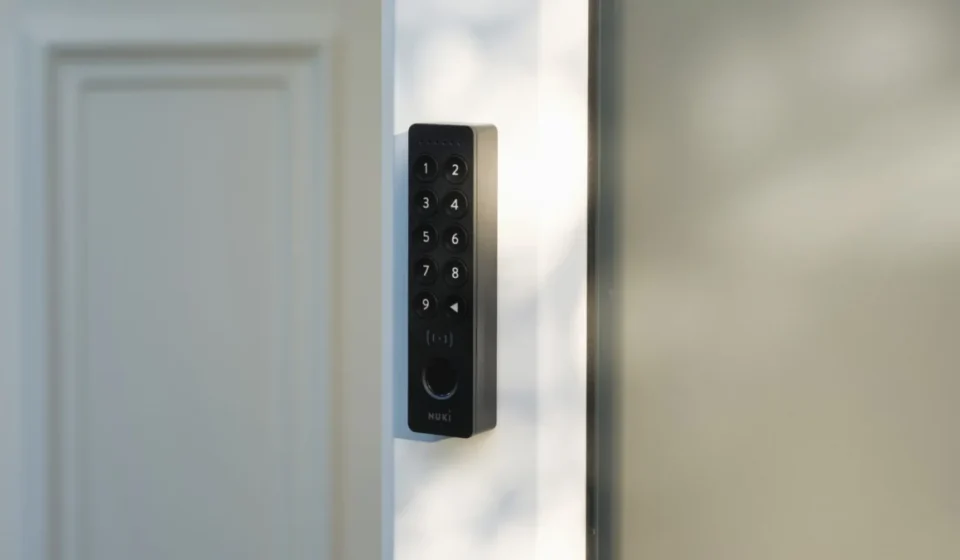
The most critical requirement for smart locks is that they must be Matter-certified and explicitly support the Aliro open access standard from the Connectivity Standards Alliance (CSA). This dual certification ensures that the lock can seamlessly integrate into the broader Matter ecosystem and securely handle digital key credentials via Aliro. Google has confirmed that three smart lock products are compatible at launch, including the Nuki Smart Lock Ultra, Nuki Smart Lock Ultra Plus, and the Yale Assure Lock 2 Plus. These early adopters demonstrate the readiness of manufacturers to embrace open standards for enhanced functionality. As the Matter and Aliro ecosystems mature, more manufacturers are expected to release compatible locks, expanding consumer choice.
Smartphone Compatibility:
- NFC Unlocking: For tap-to-unlock functionality, users will need an NFC-enabled Android phone running Android 9 or a later version. This covers a vast majority of modern Android devices, ensuring broad accessibility for the basic tap-to-unlock feature.
- UWB Unlocking: The more advanced "Unlock on Approach" feature, powered by UWB, requires specific hardware. Google has identified the Pixel 10 Pro series (including Fold and XL models) and "select UWB-enabled Samsung Galaxy phones" as compatible devices. This limitation is due to the need for precise UWB chips and antenna configurations to accurately measure distance and direction, which are essential for passive unlocking. As UWB technology becomes more prevalent in smartphones, the list of compatible devices is expected to grow.
Google Hub with Thread Border Router:
To complete the integrated smart home setup, a Matter-enabled Google Hub with a Thread Border Router is required. This hub acts as the central coordinator for Matter devices within the home network, facilitating communication and ensuring local control. Compatible devices include the Nest Hub (2nd gen), Nest Hub Max, Nest Wifi Pro, and Google TV Streamer. The Thread Border Router component is particularly important for Matter, as Thread is a mesh networking protocol designed for low-power, secure, and resilient communication between smart home devices. It ensures that locks can communicate efficiently and reliably with the Google ecosystem, even without a direct Wi-Fi connection for every device.
Streamlined User Experience and Security Protocols
Google has designed the digital home key experience with both ease of use and robust security in mind. The process of adding a digital key to Google Wallet is straightforward, and once configured, it offers significant convenience.
One Key to Rule Them All:
A notable feature of this integration is the concept of a single digital key for multiple locks. If a user has several compatible Aliro locks installed around their home—perhaps on the front door, back door, or a garage entrance—a single digital key stored in Google Wallet will work with all of them. This is because the Google Wallet key is intrinsically tied to the user’s home within the Google Home app, rather than being linked to an individual smart lock. This centralized management simplifies the user experience, eliminating the need to manage separate digital keys for each entry point.
Adding a Digital Key to Google Wallet:
For users with compatible hardware and running the latest versions of Google Wallet and Google Home, adding a key is intuitive:
- New Lock Setup: When setting up a new Matter and Aliro-compatible smart lock through the Google Home app, the system will automatically prompt the user to add a digital home key to Google Wallet. This streamlines the onboarding process for new installations.
- Existing Lock Setup: For users who have already set up their compatible lock, the key can be manually added by navigating to Google Home > Home settings > Google Wallet key. This flexibility ensures that existing users can also benefit from the new functionality without having to reconfigure their entire setup.
Security at the Forefront:
Given the critical nature of home access, security has been a paramount concern in Google’s implementation:
- Phone Unlock Requirement: Both NFC and UWB unlocking mechanisms operate without requiring the phone to be actively unlocked at the moment of use, provided the phone has been unlocked within the previous few hours. This strikes a balance between convenience and security. If a phone is lost or stolen, an unauthorized individual cannot immediately unlock the door without first knowing the phone’s passcode, protecting against immediate misuse.
- Optional Biometric/Screen Lock: For enhanced security, users have the option to disable automatic unlocking and require screen lock or biometric verification (fingerprint, face unlock) every time they tap to unlock. This provides an additional layer of authentication for those who prioritize maximum security.
- UWB Unlock on Approach Default: The UWB-powered "Unlock on Approach" feature, while highly convenient, is disabled by default. This proactive measure prevents unintended unlocking of the house when a user simply walks past it. Users must consciously enable this feature, ensuring they understand and accept its implications.
- Underlying Security: The Aliro standard itself is built with robust security protocols, including strong encryption and authentication mechanisms, to protect digital key data from tampering or unauthorized access. Google Wallet leverages these standards, along with its own secure element technology, to safeguard credentials.
Rollout and Future Implications
The initial rollout of digital home keys in Google Wallet is exclusive to users participating in the Google Home app’s Public Preview. This phased approach allows Google to gather feedback, identify and address any potential issues, and refine the user experience before a broader release. The functionality is expected to expand to all Google Home users over the coming weeks, signaling Google’s commitment to making this a widely available feature.
Implications for Consumers:
For consumers, this development signifies a new era of convenience and control over their homes. The ability to use a smartphone as a universal digital key reduces reliance on physical keys, which can be easily lost or forgotten. It streamlines daily routines, particularly for those who frequently enter and exit their homes with their hands full. Furthermore, the integration into Google Wallet could pave the way for simplified guest access management, allowing homeowners to share temporary digital keys with visitors or service providers securely and revoke them easily.
Implications for the Smart Home Industry:
This move by Google is a powerful catalyst for the smart home industry. By embracing Matter and Aliro, Google is not only enhancing its own ecosystem but also driving the adoption of these open standards. This will encourage more manufacturers to develop Matter-certified, Aliro-compatible smart locks, fostering greater interoperability and innovation across the industry. It creates a clearer path for developers and hardware makers, knowing that their products can seamlessly integrate with a major platform like Google Wallet.
Implications for Google:
For Google, this integration deepens its foothold in the smart home market and strengthens the utility of Google Wallet. By positioning the smartphone as the central access point for the home, Google reinforces its role as a key orchestrator of the digital lifestyle. It also sharpens its competitive edge against rivals like Apple and Samsung, offering a comprehensive and open-standards-based solution for digital access.
Challenges and the Road Ahead:
Despite the significant advancements, some challenges remain. Initial device compatibility limitations mean that not all smart lock owners will immediately benefit from this feature. User education will be crucial to ensure consumers understand the technology, its benefits, and its security features. Considerations around battery life (especially for UWB-enabled phones) and contingency plans for lost or dead phones (physical keys will remain a necessary backup) will also need continued emphasis.
Looking ahead, the integration of digital home keys into Google Wallet, built on the Matter and Aliro standards, represents a foundational step towards a truly interconnected and intelligent smart home. One can anticipate further expansion of compatible devices, integration with other digital access credentials (e.g., office buildings, rental properties), and the continuous evolution of these open standards to deliver even more seamless and secure experiences in the years to come. Google’s latest initiative is not just about unlocking doors; it’s about unlocking the full potential of the smart home, making it more responsive, intuitive, and secure for everyone.