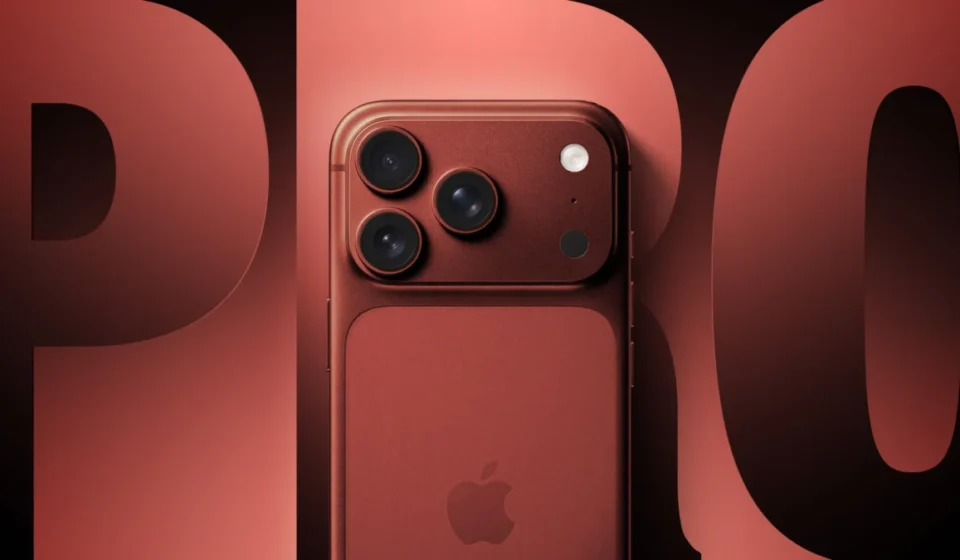
IPhone 18 Pro Price Poised for Significant Jump Amidst Global Memory Chip Shortage and Advanced Component Costs

Apple’s highly anticipated iPhone 18 Pro series is reportedly set to command a substantial price increase, with estimates suggesting a starting price as high as $1,399. This projected hike is primarily attributed to a confluence of factors: a global surge in memory chip costs, exacerbated by intense competition from AI data centers, and significant upgrades to the device’s camera system. The potential price adjustment marks a notable escalation from the current iPhone 17 Pro’s starting price of $1,099, indicating a potential $200 to $300 increase for consumers.
The Root of the Rising Costs: A Global Memory Chip Crisis
Apple officially confirmed earlier this week that price increases are imminent across its product lines, a direct consequence of escalating memory chip expenses. This acknowledgment from the Cupertino-based technology giant was further elaborated upon by Apple CEO Tim Cook in an interview with The Wall Street Journal. Cook acknowledged the company’s vulnerability to the "soaring memory chip costs," stating, "We’re still working through that," with further details expected to accompany the launch of the next iPhone lineup in September.
The current supply crunch for essential memory components, specifically DRAM (Dynamic Random-Access Memory) and NAND flash storage, has been driven by an unprecedented demand from burgeoning AI data centers. These massive computing facilities require vast quantities of high-performance memory, creating a competitive landscape where consumer electronics manufacturers are increasingly finding themselves outbid or facing significantly higher procurement costs. Industry giants such as Samsung Electronics and Micron Technology, major suppliers of these critical components, have reportedly been reallocating production capacity to meet the insatiable demand from enterprise-level AI server infrastructure. This strategic shift, while addressing a lucrative market, has inevitably tightened the supply chain for consumer devices like the iPhone, leading to the current price pressures.
Quantifying the Impact: Steep Increases in Component Costs
Analysis from the reputable research firm TechInsights, as cited by The Wall Street Journal, paints a stark picture of the projected cost increases. The firm estimates that the prices for DRAM and flash storage are on track to approximately quadruple by this fall, compared to the costs experienced last year.
For context, TechInsights’ data suggests that Apple paid approximately $39 for the 12GB of DRAM integrated into the iPhone 17 Pro. This same component, in the upcoming iPhone 18 Pro, could cost Apple as much as $145. Similarly, the 256GB NAND flash storage module, which represented a cost of roughly $13 for the iPhone 17 Pro, is now projected to reach $51 for the iPhone 18 Pro. These figures represent a staggering increase in the cost of essential internal components.
Bill of Materials: A Significant Escalation for the iPhone 18 Pro
When factoring in these dramatic memory cost increases, the overall estimated bill of materials for the iPhone 18 Pro is expected to see a substantial uplift. TechInsights estimates that the component and manufacturing costs for the iPhone 17 Pro, excluding memory modules, hovered around $530. When the cost of DRAM and flash storage is added, the total estimated bill of materials for the base iPhone 17 Pro model was approximately $582.
However, for the iPhone 18 Pro, these figures are projected to rise by a significant 25%, pushing the estimated total bill of materials to around $726. This substantial increase in production costs directly influences Apple’s pricing strategy and its ability to maintain historical profit margins.
Preserving Profitability: The Challenge of Price Standardization
TechInsights’ research further highlights the delicate balance Apple must strike between rising costs and maintaining its coveted profit margins. The iPhone 17 Pro, launched at $1,099, reportedly carried a gross margin of approximately 47%. To maintain this same 47% gross margin on the iPhone 18 Pro, given the projected $726 bill of materials, Apple would theoretically need to price the device at around $1,371.
However, The Wall Street Journal notes Apple’s well-established preference for standardized pricing structures. This inclination suggests that a more probable starting price for the iPhone 18 Pro would be $1,299. While this figure is lower than the theoretical $1,371, it would still represent a considerable increase and would result in a slightly reduced, though still robust, gross margin of approximately 44%.
The Added Expense of an Advanced Camera System
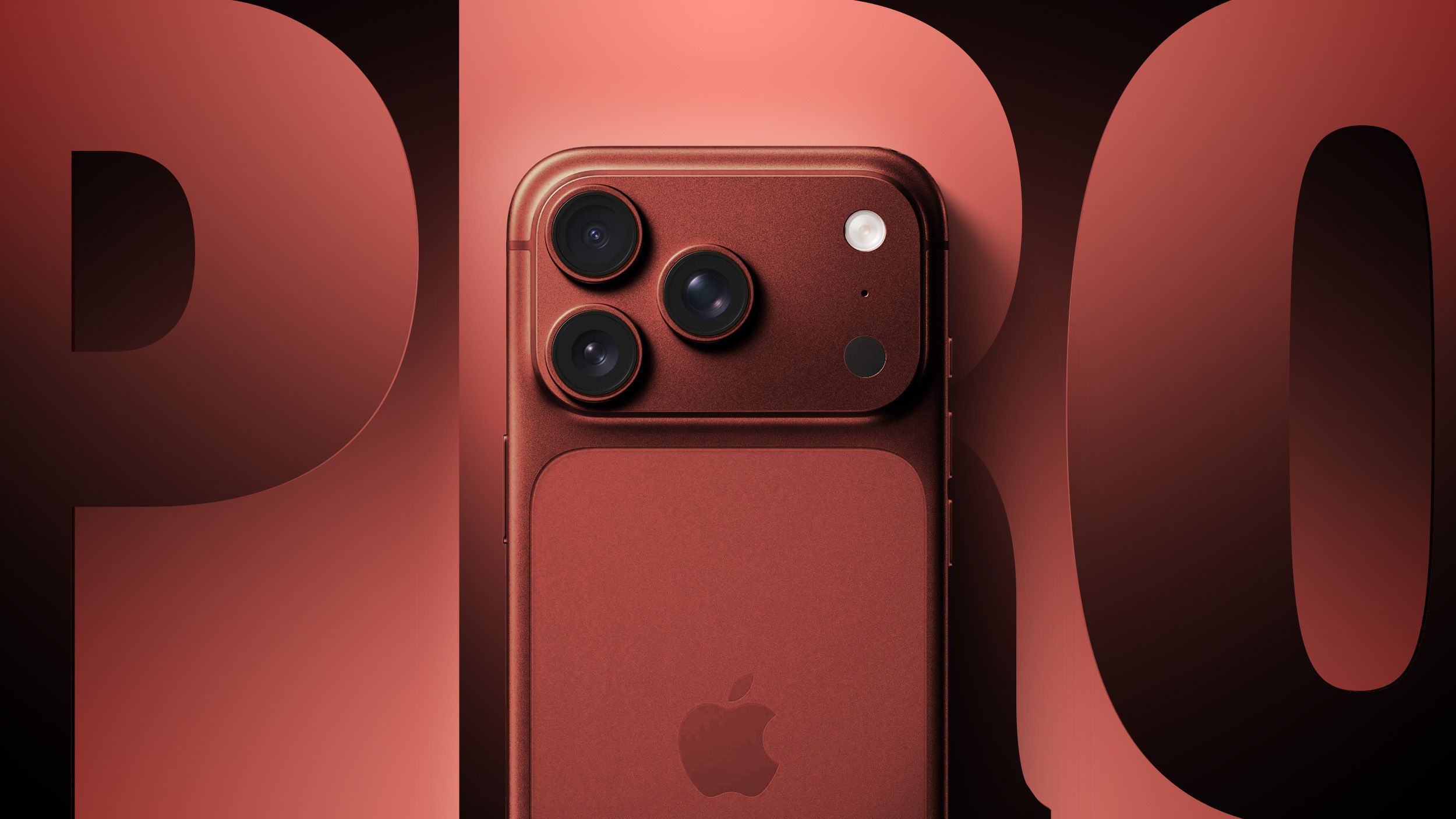
The projected price increase does not solely hinge on memory costs. Industry analyst Ming-Chi Kuo, a prominent voice in supply chain intelligence, has indicated that a significant upgrade to the iPhone 18 Pro’s camera system could introduce an additional substantial cost for Apple. Kuo estimates that this new camera technology could be approximately 50% more expensive than the camera unit found in previous generations.
This advanced camera technology is rumored to include features such as a variable aperture lens, a long-sought-after feature in smartphone photography that allows for greater control over depth of field and light intake. When this additional expense is factored into the overall cost calculation, The Wall Street Journal‘s analysis suggests that Apple might be compelled to set the starting price of the iPhone 18 Pro at $1,399 or even higher to accommodate these escalating development and manufacturing expenses while still aiming to preserve profitability.
A Significant Leap in Consumer Cost and Product Line Expansion
A starting price of $1,399 for the iPhone 18 Pro would represent a substantial $300 increase over the iPhone 17 Pro’s launch price of $1,099. Even a $1,299 starting price would constitute a $200 jump. This escalation in pricing underscores the significant cost pressures impacting the high-end smartphone market.
Furthermore, this potential price hike for the iPhone 18 Pro is expected to have a ripple effect across the entire Pro lineup. The larger iPhone 18 Pro Max would likely follow a similar pricing strategy, starting at $100 above the Pro model, maintaining the established price differential between the two device sizes. This consistent pricing gap has been a hallmark of Apple’s Pro offerings in recent years.
The upcoming iPhone 18 Pro models are also anticipated to be launched alongside Apple’s first foldable device, tentatively referred to as the "iPhone Ultra." Rumors surrounding this ambitious new product suggest a premium price point, with a starting price potentially around $2,000. The introduction of such a high-priced foldable device, coupled with the increased cost of the flagship iPhone 18 Pro, signals a strategic move by Apple to expand its premium product offerings and cater to a segment of the market willing to pay a higher premium for cutting-edge technology and innovative form factors.
Historical Context and Market Trends
This projected price increase for the iPhone 18 Pro is not an isolated event but rather a reflection of broader trends in the consumer electronics industry. The semiconductor industry, a critical backbone of modern technology, has been subject to volatility in recent years, experiencing both supply chain disruptions and surges in demand. The COVID-19 pandemic exposed vulnerabilities in global supply chains, leading to widespread shortages of essential components. While some of these issues have begun to resolve, the insatiable appetite for more powerful and sophisticated chips, particularly for artificial intelligence and advanced computing, continues to strain production capacity.
Apple, as one of the world’s largest purchasers of electronic components, is particularly sensitive to these market fluctuations. The company’s ability to command premium prices for its products has historically allowed it to absorb some of these cost increases. However, the magnitude of the current memory chip shortage, coupled with the expense of implementing next-generation technologies like advanced camera systems, presents a significant challenge to maintaining its traditional pricing and margin structures.
Implications for Consumers and the Smartphone Market
The potential for a $1,399 starting price for the iPhone 18 Pro has significant implications for consumers. It further solidifies the perception of flagship smartphones as luxury goods, placing them out of reach for a larger segment of the population. This could lead to increased demand for older iPhone models, refurbished devices, or a greater adoption of mid-range and budget-friendly smartphones from various manufacturers.
For Apple, this pricing strategy could serve to further segment its customer base, distinguishing between those who prioritize the absolute latest technology and are willing to pay a premium, and those who are more price-conscious. It also raises questions about the future affordability of high-end smartphones in general. As component costs continue to rise and technological innovation demands greater investment, the entry price for premium devices may continue to trend upwards.
The broader smartphone market will likely observe these developments closely. Competitors may see an opportunity to capitalize on potential consumer sticker shock by offering compelling alternatives at more accessible price points. Conversely, if Apple can successfully position the iPhone 18 Pro as an indispensable upgrade with truly transformative features, the higher price may be accepted by its loyal customer base. The upcoming launch event in September will be crucial in determining how Apple articulates the value proposition of its latest flagship device in the face of these significant cost escalations. The company’s ability to balance innovation, cost management, and consumer affordability will be a key determinant of its continued success in the highly competitive premium smartphone market.