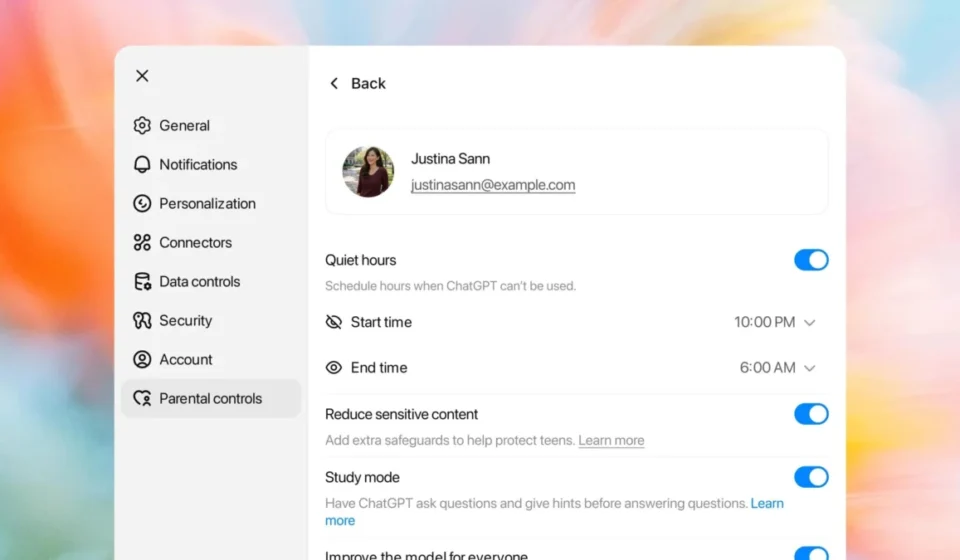
New parental controls include Quiet Hours, Study Mode defaults, and alerts for serious account violations.

OpenAI is significantly enhancing the safety and educational features of ChatGPT for teenage users, introducing a suite of new controls and functionalities designed to protect minors and foster responsible AI interaction. This initiative acknowledges the pervasive integration of AI tools into the lives of young people, with nearly 90% of teens reportedly using ChatGPT weekly for academic and organizational purposes. OpenAI’s stance is that complete exclusion from AI technology would disadvantage teens, leaving them unprepared for a future where AI will be a defining technological force. The latest update prioritizes an age-appropriate experience, implementing automated age prediction to apply stricter safeguards for users under 18, and offering parents a more granular level of control over their children’s AI usage.
Proactive Safety Measures for Teen Users
Central to this update is ChatGPT’s enhanced age prediction capability. The AI system now automatically identifies users who appear to be under 18 and defaults to a more restricted experience. This means a heightened level of protection against potentially harmful content, including but not limited to graphic violence, discussions of self-harm, promotion of unhealthy body image, and encouragement of risky viral challenges. If the system is uncertain about a user’s age, it will err on the side of caution, applying the more restrictive teen-focused settings. This proactive approach aims to create a safer digital environment for younger users as they navigate the capabilities of advanced AI.
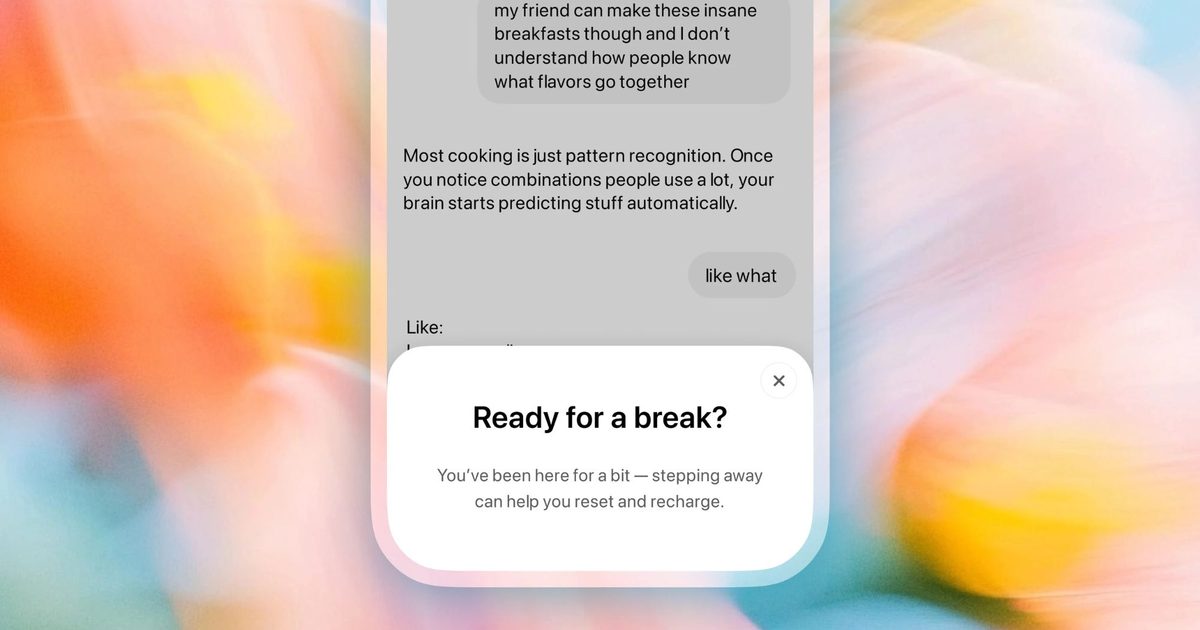
Beyond content moderation, OpenAI is implementing features to encourage healthier usage habits. Teen users will now receive more frequent prompts to take breaks during extended ChatGPT sessions. These reminders are designed to combat prolonged screen time and promote a balanced approach to digital engagement, encouraging users to step away from the interface and engage in offline activities. This aligns with broader public health recommendations regarding screen time for adolescents.
Expanded Parental Controls and Oversight
Recognizing the crucial role of parental guidance, OpenAI has significantly expanded the suite of controls available to parents. These new features empower guardians to tailor their child’s ChatGPT experience more precisely. Key additions include:
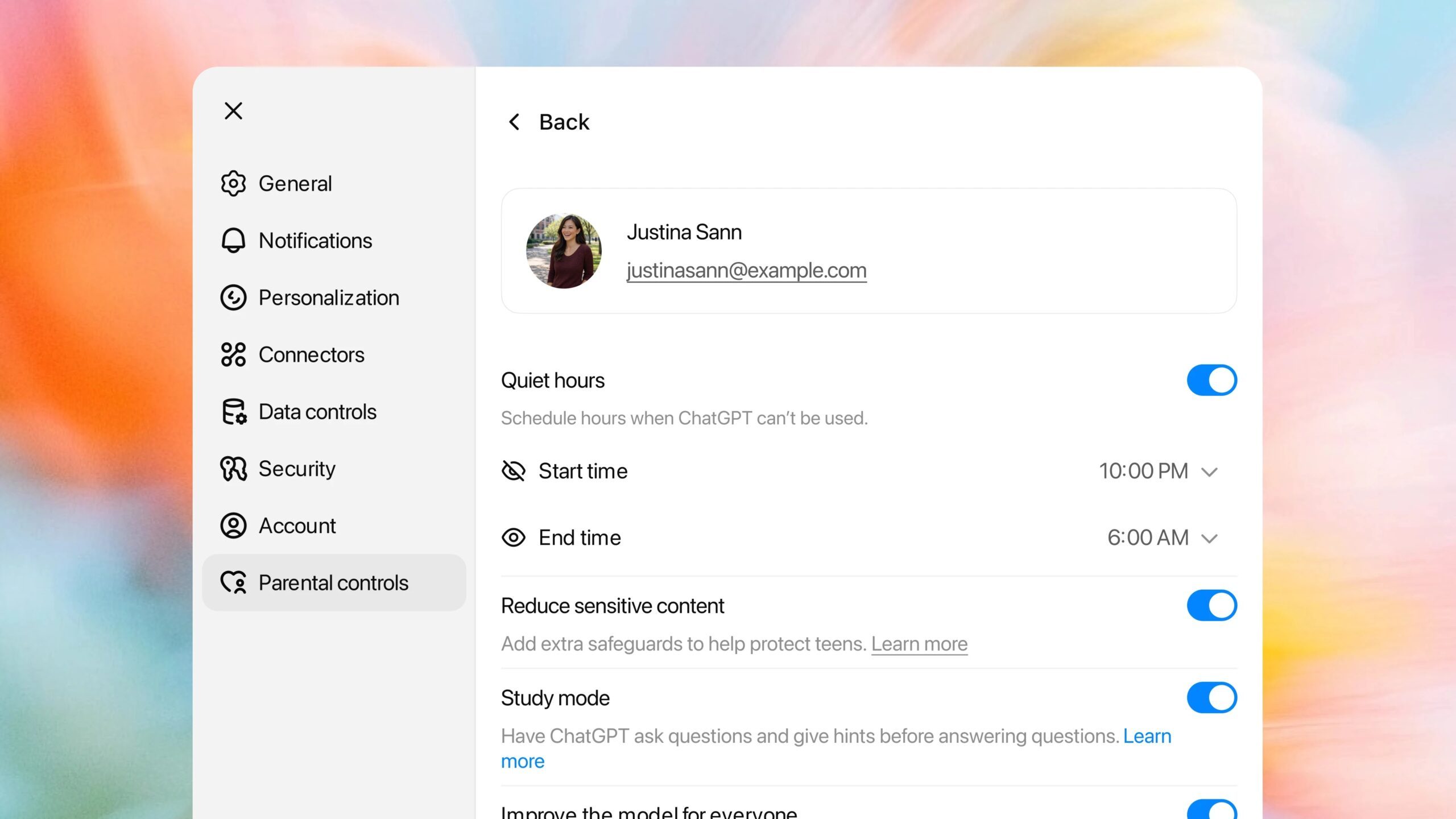
- Quiet Hours: Parents can now designate specific times during which ChatGPT access for their teen’s account will be restricted. This feature is invaluable for ensuring dedicated time for homework, family activities, or sleep, without digital distractions.
- Voice Mode Restrictions: The ability to disable Voice Mode offers an additional layer of control, particularly for younger teens or those who may be more susceptible to certain types of content or interactions that are better managed through text-based communication.
- Image Generation Management: Parents can now control whether their teen has access to ChatGPT’s image generation capabilities. This is particularly relevant given the increasing sophistication and potential misuse of AI-generated imagery.
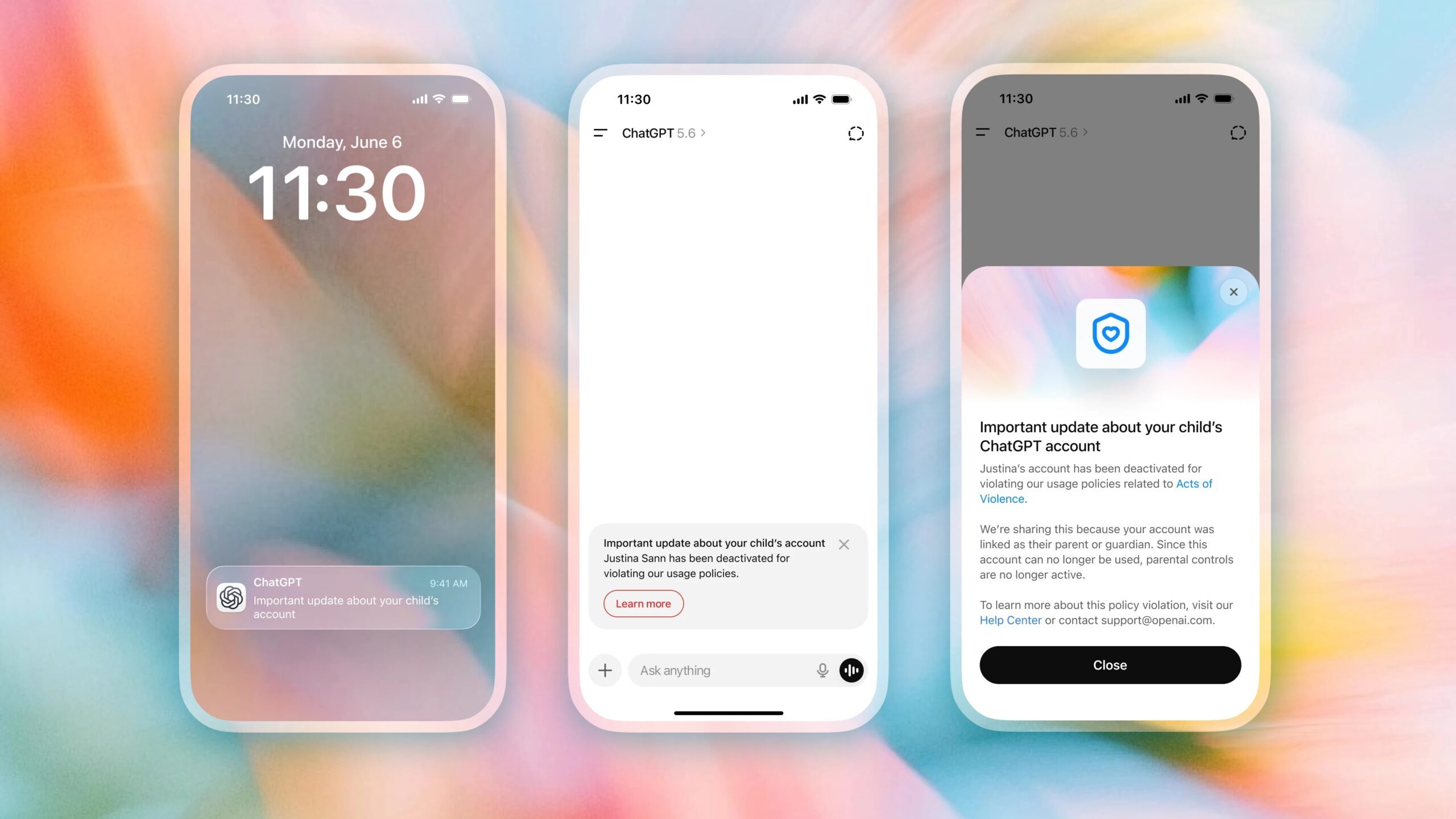
- High-Risk Situation Alerts: A critical new feature allows parents to receive notifications in specific high-risk scenarios. This includes alerts for content that suggests potential self-harm or other acute emotional distress experienced by the user. This proactive notification system aims to provide parents with timely information to intervene and offer support when it is most needed.
The integration of these parental controls reflects a growing trend in technology companies to provide more robust tools for family digital safety, acknowledging that unsupervised access to powerful AI tools carries inherent risks.
Enhancing Educational Utility with "Study Mode"
A significant pillar of OpenAI’s strategy is to position ChatGPT not just as a source of information, but as a powerful educational tool. To this end, the company is rolling out an enhanced "Study Mode," developed in collaboration with educators and learning specialists. Unlike simply providing answers, Study Mode is designed to guide students through problem-solving processes. It breaks down complex questions and tasks into manageable steps, fostering critical thinking and a deeper understanding of the subject matter.
Parents can now enable Study Mode by default for their teen’s account through the parental control dashboard. This ensures that from the outset, the teen’s interactions with ChatGPT are geared towards learning and skill development rather than passive information retrieval. OpenAI has also introduced new starter prompts specifically curated for schoolwork, alongside interactive math and science tools that are already reaching millions of young users across a vast array of topics. These educational enhancements underscore OpenAI’s commitment to harnessing AI for positive learning outcomes, aiming to balance access to cutting-edge technology with the imperative of academic growth and intellectual development.
Context and Broader Implications
The introduction of these features comes at a time when AI, particularly large language models like ChatGPT, is experiencing unprecedented public adoption. While the benefits of AI for productivity, creativity, and learning are widely recognized, concerns about its potential impact on young people have also escalated. Issues such as exposure to inappropriate content, the potential for academic dishonesty, and the psychological effects of constant digital interaction are at the forefront of discussions among parents, educators, and policymakers.

OpenAI’s proactive approach, marked by the introduction of these comprehensive safety and educational features, can be seen as a response to these growing concerns. By offering a tiered approach that includes automated age-based protections and granular parental controls, the company aims to build trust and demonstrate a commitment to responsible AI deployment. The emphasis on educational utility, particularly through Study Mode, suggests a strategic pivot towards positioning ChatGPT as a valuable supplement to traditional learning methods, rather than a replacement.
The success of these initiatives will likely depend on several factors. Firstly, the effectiveness of the age prediction technology will be crucial in ensuring that the intended safety measures are consistently applied. Secondly, the usability and comprehensiveness of the parental controls will determine their practical value for guardians. Finally, the pedagogical effectiveness of Study Mode and the educational tools will be key to realizing OpenAI’s vision of ChatGPT as a powerful learning aid.
This development also signals a broader trend in the AI industry, where companies are increasingly focusing on ethical considerations and user safety, particularly concerning vulnerable populations. As AI technology continues to evolve and permeate more aspects of daily life, the demand for robust safety frameworks and responsible development practices will only intensify. OpenAI’s latest update to ChatGPT’s teen-focused features represents a significant step in addressing these complex challenges, aiming to strike a balance between technological innovation and the paramount need for user well-being.