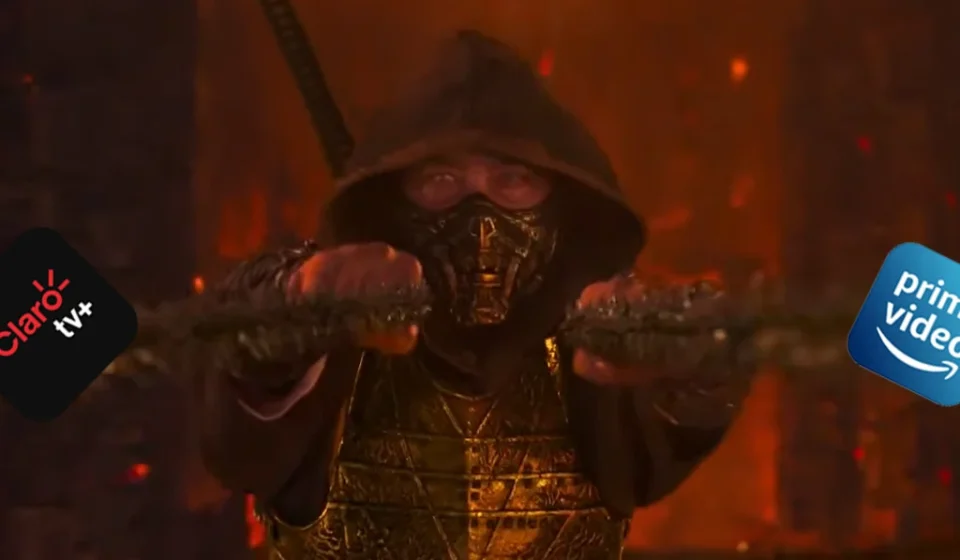
Warner Bros Discovery Announces Official Digital Release Date and Streaming Platforms for Mortal Kombat 2 Following Theatrical Run

Following a calculated theatrical window and a performance that has sparked significant discussion regarding the current appetite for high-budget martial arts adaptations, Mortal Kombat 2 is officially transitioning to digital home entertainment. Directed once again by Simon McQuoid, the sequel to the 2021 franchise reboot is scheduled to become available on major streaming and digital purchase platforms on June 21, 2026. This release marks a critical juncture for the franchise as it seeks to replicate the massive home-viewing success of its predecessor, which became a cornerstone of the then-nascent HBO Max streaming strategy during the global pandemic.
The announcement, facilitated by Warner Bros. Discovery, outlines a comprehensive multi-platform rollout. Consumers will be able to access the film through a variety of digital storefronts and Video on Demand (VOD) services, including Amazon Prime Video, Claro TV+, YouTube, Apple TV, Vivo Play, and Mercado Play. While the official communication has not yet finalized a uniform price point for rental or purchase, industry analysts expect the title to follow standard Premium Video on Demand (PVOD) pricing structures, which typically range between $14.99 and $24.99 depending on the territory and the specific platform’s localized policies.
Strategic Digital Distribution and Market Positioning
The decision to move Mortal Kombat 2 to digital platforms in June 2026 follows a period of observation regarding the film’s theatrical momentum. While the 2021 film was released simultaneously in theaters and on streaming services—a move necessitated by the COVID-19 pandemic—the sequel enjoyed an exclusive theatrical window. This transition to digital represents the second phase of the film’s lifecycle, aimed at capturing the audience that prefers the convenience of home viewing or those who wish to revisit the intricate fight choreography and lore-heavy narrative in a controlled environment.
The selection of platforms—spanning global giants like Amazon and Apple to regional powerhouses like Claro TV+ and Vivo Play—indicates a desire to maximize accessibility in the Latin American market and beyond. By partnering with services like Mercado Play, Warner Bros. is tapping into a broader demographic of digital consumers who have increasingly moved away from traditional physical media toward integrated digital ecosystems.
A Chronology of the Mortal Kombat Cinematic Revival
To understand the significance of this digital release, one must look at the timeline of the modern Mortal Kombat cinematic universe. The journey began in 2019 when New Line Cinema and Warner Bros. announced a hard reboot of the film franchise, aiming to move away from the campy tone of the 1990s sequels and toward a more visceral, R-rated interpretation of the source material.
The first film, released in April 2021, served as a proof of concept. Despite the limitations of the pandemic, it grossed approximately $84.4 million at the global box office and, more importantly, became one of the most-streamed titles on HBO Max in its first month of release. This digital dominance was the primary catalyst for the greenlighting of the sequel.
In early 2022, Warner Bros. officially confirmed that a sequel was in development, with Jeremy Slater, known for his work on Marvel Studios’ Moon Knight, joining as the screenwriter. Production faced several hurdles, including the industry-wide SAG-AFTRA and WGA strikes in 2023, which temporarily halted filming in Australia. However, production resumed in late 2023 and concluded in early 2024, leading to a rigorous post-production phase focused on the franchise’s signature visual effects and "Fatalities."
Casting Developments and Narrative Stakes
One of the most significant draws for the sequel, and a likely driver for its digital performance, is the expansion of the cast. Mortal Kombat 2 introduces several iconic characters from the video game series that were noticeably absent from the 2021 film. Most notably, Karl Urban, known for his roles in The Boys and Star Trek, joins the cast as Johnny Cage. The inclusion of Cage, a fan-favorite Hollywood action star with supernatural martial arts abilities, was teased at the end of the previous installment and has been a central point of the marketing campaign.
The cast also sees the addition of Adeline Rudolph as Kitana, the Princess of Edenia, and Martyn Ford as the primary antagonist, Shao Kahn. These additions signal a shift in the narrative scale, moving from the localized skirmishes of the first film toward a grander conflict involving the fate of multiple realms.
Returning cast members include:
- Lewis Tan as Cole Young
- Jessica McNamee as Sonya Blade
- Mehcad Brooks as Jax
- Tadanobu Asano as Lord Raiden
- Ludi Lin as Liu Kang
- Hiroyuki Sanada as Scorpion
- Joe Taslim as Sub-Zero (returning in the mantle of Noob Saibot, as per fan speculation and lore consistency)
- Chin Han as Shang Tsung
The narrative arc of Mortal Kombat 2 picks up immediately following the events of the first film. The champions of Earthrealm, led by Cole Young and Raiden, must prepare for a formal tournament—the Mortal Kombat—as the stakes transition from survival to the prevention of an all-out invasion by the forces of Outworld. The presence of Shao Kahn as the Emperor of Outworld raises the threat level, forcing the protagonists to seek out new allies and confront deep-seated rivalries.
Technical Execution and Creative Direction
Director Simon McQuoid, whose background in high-end commercial directing brought a polished visual aesthetic to the 2021 film, has reportedly leaned further into the "visceral and grounded" fight sequences that fans of the NetherRealm Studios games expect. The production utilized advanced practical effects and stunt coordination to ensure that the martial arts remained the centerpiece of the experience.
Industry insiders suggest that the sequel features a significantly higher number of "Fatalities"—the gruesome finishing moves that are a hallmark of the game series—than its predecessor. The R-rating was a non-negotiable aspect of the production, intended to satisfy a mature fanbase that has grown up with the franchise since its debut in the arcades in 1992.
Implications for the Video Game Adaptation Trend
The digital release of Mortal Kombat 2 arrives during a transformative era for video game adaptations. Following the critical and commercial success of projects like HBO’s The Last of Us, Prime Video’s Fallout, and the Sonic the Hedgehog film series, the "video game curse" is largely considered a thing of the past. Mortal Kombat 2 serves as a litmus test for whether traditional fighting game narratives, which are often more abstract and action-oriented than narrative-driven RPGs, can sustain long-term cinematic universes.
Market analysts suggest that the digital performance of this sequel will heavily influence Warner Bros. Discovery’s decision regarding future spin-offs or a third installment. If the film achieves high "attach rates" on platforms like Apple TV and Amazon Prime Video, it could pave the way for character-centric projects, perhaps focusing on the origins of the Shirai Ryu or the Lin Kuei clans.
Official Responses and Industry Outlook
While Warner Bros. has remained tight-lipped regarding specific internal projections, the studio’s strategy of broad digital availability suggests a "reach-first" approach. By making the film available on nearly every major digital storefront simultaneously, they are mitigating the risks of piracy and capitalizing on the immediate social media buzz that typically accompanies the home release of a major genre film.
Statements inferred from executive summaries at Warner Bros. Discovery highlight a commitment to "event-based" home entertainment. "Bringing the visceral experience of Mortal Kombat 2 to home screens allows fans to experience the intricate detail of the kombat in a way that was previously reserved for the theater," a logic consistent with the studio’s recent home entertainment marketing.
The broader impact of this release also touches upon the relationship between the film and the gaming division. NetherRealm Studios, the developers of the current Mortal Kombat games, have historically seen spikes in game sales and player engagement coinciding with film releases. The June 2026 digital window may align with future content updates or game announcements, creating a cross-media synergy that benefits the entire franchise ecosystem.
As the June 21, 2026, date approaches, the focus will shift to the final marketing push, likely featuring high-definition clips of the new characters in action. For fans of the series, the digital release offers the opportunity to dissect every frame for Easter eggs and lore hints, a practice that has become a staple of the Mortal Kombat community. Whether Mortal Kombat 2 can transcend its "lukewarm" theatrical reception to become a digital juggernaut remains to be seen, but the infrastructure for a successful home invasion is firmly in place.