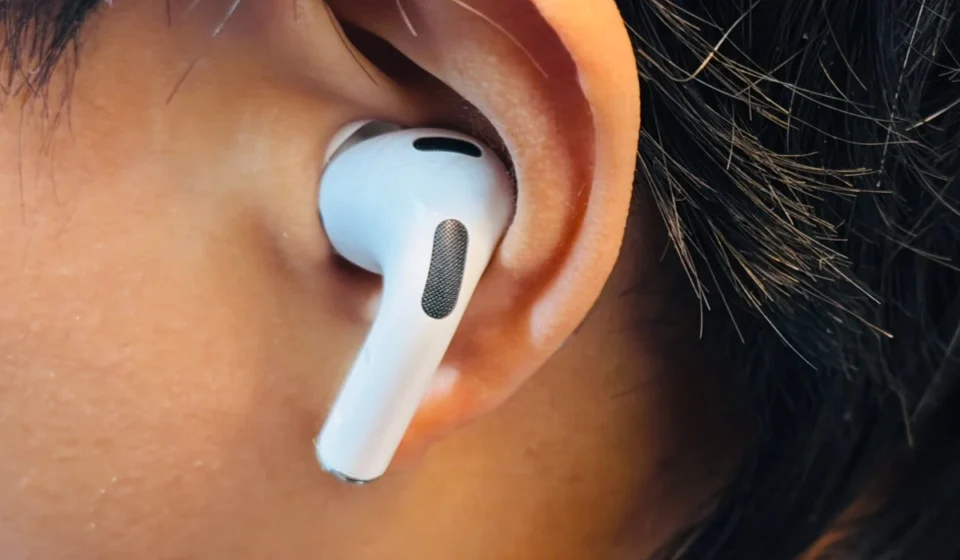
Apple’s AI-Powered AirPods with Cameras Remain on Track for 2027 Debut Despite Accidental macOS Leak

Despite an accidental video leak within a developer version of macOS, Apple’s highly anticipated AirPods equipped with cameras and advanced AI capabilities are reportedly still on schedule for a 2027 release. The leak, which provided an early glimpse into the functionality of these next-generation earbuds, has fueled speculation about an imminent launch, but industry insiders suggest that production and software development challenges have pushed the official unveiling to a later date.
The Unintended Reveal and Its Implications
The accidental revelation occurred when a video showcasing the camera-equipped AirPods surfaced within a recent macOS update. The footage demonstrated the earbuds interacting with Apple’s proprietary Visual Intelligence feature. This innovative technology is designed to leverage the cameras integrated into the AirPods to analyze the wearer’s surroundings, providing crucial visual context to Siri and other artificial intelligence functions. The premature appearance of this feature naturally led to widespread conjecture that Apple might be preparing to announce the product at its upcoming September event, a traditional period for major Apple hardware reveals.

However, according to a report by Bloomberg’s Mark Gurman, the product’s timeline has not been accelerated by the leak. The device is still absent from Apple’s 2026 release schedule. The delay is attributed to a combination of supply-chain complexities and ongoing software development hurdles. These issues are understood to have already caused a postponement from an initial 2026 target to the revised 2027 release window. Sources indicate that Apple employees had commenced advanced testing of the earbuds earlier this year, only for these challenges to emerge, necessitating the adjustment of the product roadmap.
Redefining "Camera" Functionality in Wearables
A key aspect of the forthcoming AirPods is the intended function of their integrated cameras. Contrary to what one might expect from conventional camera technology, these miniature sensors are not designed for capturing traditional photographs or high-definition video. Instead, the low-resolution sensors are reportedly intended for environmental scanning. The primary objective is to provide Apple’s AI systems, including Siri, with a richer understanding of the user’s visual environment. This contextual information could significantly enhance the capabilities of voice assistants, enabling more nuanced and responsive interactions.
This unique approach to camera integration raises fascinating possibilities for the future of AI-powered wearables. By allowing earbuds to "see" and interpret their surroundings, Apple could be paving the way for a new category of assistive technology. Imagine an AI assistant that can not only understand spoken commands but also react to visual cues in real-time, offering proactive suggestions or information based on what the user is looking at. For instance, the AirPods could potentially identify objects, read text, or even recognize people, and then relay this information to the user through audio cues or by interacting with other Apple devices. This could be particularly beneficial for accessibility, offering new ways for individuals with visual impairments to navigate their world.

Navigating the Privacy Landscape
The integration of cameras into earbuds, even for environmental scanning, inevitably brings significant privacy considerations to the forefront. The prospect of earbuds discreetly observing the wearer’s surroundings has already sparked considerable debate and concern online. A primary worry revolves around the potential for capturing individuals without their knowledge or consent, leading to a chilling effect on public spaces.
Apple appears to be acutely aware of these potential privacy implications, especially in the wake of the privacy controversies that have surrounded other camera-equipped wearable devices, such as Meta’s smart glasses. The company’s history of prioritizing user privacy suggests that robust safeguards and transparent user controls will be a critical component of the AirPods’ eventual launch. This could involve strict limitations on data collection, clear indicators when the cameras are active, and granular user permissions for how and when the visual intelligence features can be utilized. The challenge for Apple will be to strike a delicate balance between enhancing functionality through visual input and upholding user privacy rights.
A Glimpse into Apple’s Ambitious 2027 Roadmap

The camera-equipped AirPods are reportedly not an isolated development but part of a much broader and ambitious push into advanced wearables and AI integration by Apple. According to reports, the company is developing at least two distinct versions of these camera-enabled earbuds. The leaked video specifically highlighted the B790 model, which is believed to be based on the architecture of the forthcoming AirPods Pro 3. A separate, more advanced iteration, designated B798, is said to represent a future generation of AirPods Pro that will incorporate enhanced camera and AI capabilities.
Should Apple adhere to its current strategic plans, the 2027 release year is shaping up to be a landmark period for the company’s wearable and AI initiatives. The camera AirPods are slated to arrive alongside a formidable lineup of new products. This includes Apple’s much-anticipated first-generation smart glasses, which are reportedly undergoing development with a strong emphasis on avoiding privacy concerns. Additionally, a camera-equipped wearable pendant, designed to offer a different form factor for contextual AI interaction, is also rumored to be in the pipeline. Further bolstering this futuristic vision are persistent reports of a foldable iPhone and an AI-focused smart home display, indicating a comprehensive ecosystem-wide integration of artificial intelligence.
The timeline for these products suggests a carefully orchestrated rollout, with each device contributing to Apple’s overarching strategy of embedding AI more deeply into the user experience. The development of these diverse wearable form factors indicates a desire to cater to a wide range of user preferences and use cases, all powered by increasingly sophisticated AI.
The Long Road to "Seeing" Earbuds

The accidental leak, while providing an exciting preview, serves as a stark reminder that groundbreaking technology often requires extensive development and refinement. The journey from concept to consumer product is frequently punctuated by unforeseen challenges, from the intricacies of manufacturing to the complexities of software optimization.
The delay of the camera AirPods from an initial 2026 target to 2027 underscores the demanding nature of integrating novel hardware and AI capabilities. Supply chain logistics, particularly for specialized components like miniature camera sensors and advanced AI processors, can be a significant bottleneck. Furthermore, the development of robust and intuitive AI software that can reliably process and interpret visual data in real-time, while respecting user privacy, is a monumental undertaking.
The prolonged development cycle also allows Apple ample time to address potential issues and fine-tune the user experience. By the time these earbuds reach the market in 2027, they are expected to represent a mature and polished product, reflecting Apple’s meticulous approach to design and innovation. While the wait may be longer than some anticipated, the potential for these AI-powered, camera-equipped AirPods to redefine personal audio and wearable technology is immense. The year 2027 may indeed mark the moment when Apple’s earbuds truly gain the ability to "see" the world around us, ushering in a new era of intelligent, context-aware personal computing.
The implications of such technology extend beyond mere convenience. The ability for wearables to understand visual context could revolutionize fields such as education, where interactive learning experiences could be enhanced by real-time visual recognition. In professional settings, these earbuds could offer hands-free access to information relevant to a user’s immediate environment, streamlining workflows and increasing efficiency. The ethical considerations surrounding such powerful technology will undoubtedly remain a focal point, necessitating ongoing dialogue and robust regulatory frameworks to ensure responsible development and deployment. As Apple continues its trajectory towards a more AI-integrated future, the camera AirPods stand as a compelling, albeit delayed, testament to its innovative vision.