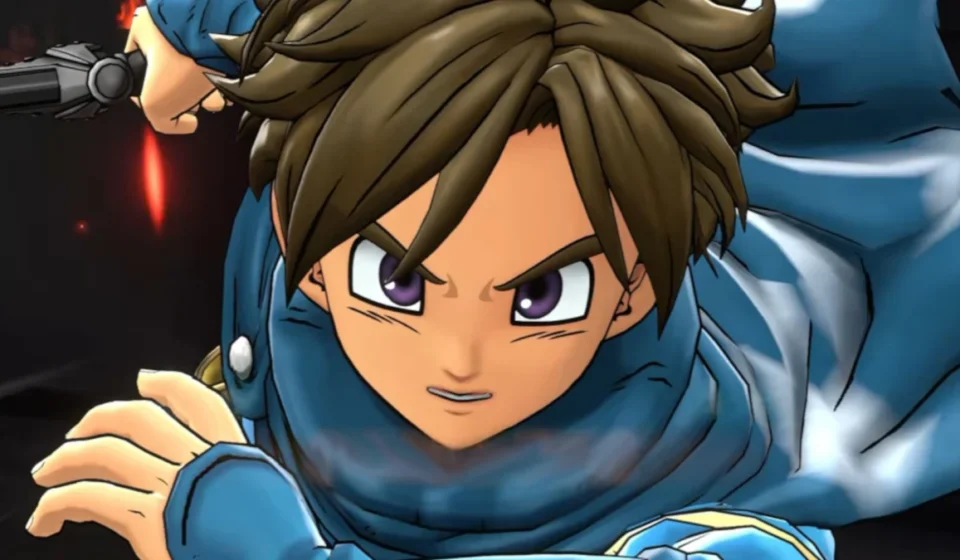

The venerable Dragon Quest franchise, a cornerstone of the Japanese role-playing game genre, continues its 40th-anniversary festivities with a significant new mobile offering: Dragon Quest RPG The Cursed Tree and the Chosen Isle. Announced by Square Enix, this title aims to deliver a "classic adventure, now in your hands," promising a brand-new narrative steeped in the series’ beloved staples, designed exclusively for iOS and Android devices. The announcement arrives at a time when the Dragon Quest IP is experiencing a resurgence in global popularity, fueled by recent successful mainline entries and a growing appreciation for its timeless design principles.
The game’s initial reveal was met with a degree of fan curiosity, largely stemming from its title, "Dragon Quest RPG." While all entries in the Dragon Quest lineage are fundamentally role-playing games, the explicit designation in this mobile title signaled a potential shift in focus or perhaps a deliberate nod to the genre’s foundational elements. Square Enix has since provided a more comprehensive look at this new mobile venture through a debut trailer and an official website, immersing potential players in the world of Monbelusha. Here, players will assume the role of a hero tasked with safeguarding Yggdrasil, the World Tree, in the capacity of its Warden. This narrative framework, featuring a grand quest to protect a vital, mythical entity, is deeply resonant with the established lore and thematic concerns that have defined Dragon Quest for decades.
At its core, Dragon Quest RPG The Cursed Tree and the Chosen Isle adheres to the series’ quintessential gameplay mechanics. Players will experience the familiar party-based structure and the strategic depth of a turn-based battle system. However, the game introduces innovative combat maneuvers, including "fast strikes," which allow for quicker offensive actions, and provides select characters with the potential for powerful follow-up attacks. Visual cues for combat order are prominently displayed at the top of the screen, a feature that will feel familiar to players of other strategic turn-based titles such as Final Fantasy Resonance or Honkai Star Rail, enabling more informed tactical decision-making. Furthermore, the much-celebrated "Pep Powers" from Dragon Quest XI make a triumphant return, empowering the player’s team with synergistic, high-impact cooperative attacks, adding another layer of strategic consideration to encounters.
A notable departure from many previous Dragon Quest titles, particularly those released on home consoles, is the inclusion of a persistent home base. This sanctuary serves as a central hub for players to rebuild and return to between their adventuring missions. Within this base, players will find facilities for crafting weapons, procuring essential provisions, and engaging with a diverse cast of non-player characters (NPCs), fostering a sense of community and progression beyond the immediate quest. This base-building element echoes mechanics found in other successful mobile RPGs, aiming to provide players with a tangible sense of ownership and ongoing development.
Perhaps the most significant deviation from the series’ established model, and one that is likely to elicit varied reactions from the fanbase, is the game’s character recruitment system. Dragon Quest RPG The Cursed Tree and the Chosen Isle is, in fact, a gacha game. This monetization model, where players acquire characters and items through randomized draws, is a common feature in the mobile gaming landscape. While this approach may be a point of contention for some traditionalists, it is also a recognized and often accepted mechanic within the mobile RPG sphere. For players who are accustomed to and enjoy gacha mechanics, this system is unlikely to be a deterrent. Historical data from the mobile gaming market indicates that character-focused gacha systems often demonstrate a higher perceived fairness and player satisfaction compared to those heavily reliant on equipment-based draws, such as the system seen in Dragon Quest Smash/Grow.
Dragon Quest RPG Closed Beta Test: An Opportunity for Early Engagement
In anticipation of its global launch, Square Enix has announced a closed beta test for Dragon Quest RPG The Cursed Tree and the Chosen Isle. This initiative provides a crucial opportunity for a select group of players to experience the game firsthand, identify potential issues, and offer valuable feedback that can shape the final product.
Beta Test Schedule and Application Details:
- Application Period: Applications for the closed beta test will be accepted from November 10 to November 23, 2026.
- Test Duration: The closed beta test itself is scheduled to run from December 8 to December 15, 2026.
- Platform Availability: Both Android and iOS users are eligible to participate in the beta test.
- Application Process: Interested individuals can apply and review the comprehensive requirements for participation on the dedicated CBT website: https://dqrpg.dragonquest.com/en/cbt/ (Note: This is a placeholder URL as the actual URL for the beta test application was not provided in the original text, but the format is consistent with official announcements).
The implementation of a closed beta test is a standard practice in game development, particularly for mobile titles that aim for broad appeal and robust performance across diverse devices. It allows developers to gather crucial data on server stability, gameplay balance, bug detection, and user experience in a controlled environment before a wider public release. This proactive approach is indicative of Square Enix’s commitment to delivering a polished and enjoyable experience for its global player base.
Dragon Quest RPG Release Window: Targeting a 2027 Launch
The official release window for Dragon Quest RPG The Cursed Tree and the Chosen Isle has been slated for 2027. While a specific date has not yet been confirmed, the timing of the closed beta test offers a strong indication of the development timeline. Given that the beta concludes in mid-December 2026, it is reasonable to infer that Square Enix is targeting a launch in the first quarter of 2027, likely within January, February, or March of that year. This projected timeframe aligns with the typical post-beta development and polishing period required for major mobile game releases.

The decision to launch a new Dragon Quest title on mobile platforms in 2027 underscores the growing importance of the mobile gaming market for major publishers. The smartphone gaming sector has consistently demonstrated significant revenue growth, surpassing traditional console and PC markets in many regions. By leveraging the established brand recognition of Dragon Quest and adapting its core gameplay loop for mobile accessibility, Square Enix is strategically positioning itself to capture a substantial share of this lucrative market. The introduction of gacha mechanics, while potentially controversial, is a proven revenue generator within this ecosystem, enabling continued development and content updates post-launch.
Broader Context and Implications for the Dragon Quest Franchise
The announcement of Dragon Quest RPG The Cursed Tree and the Chosen Isle arrives at a pivotal moment for the franchise. The 40th anniversary year has been marked by a series of initiatives, including remasters, new merchandise, and a renewed focus on engaging with the global fanbase. This mobile title represents a significant expansion of the Dragon Quest universe into a platform that boasts an enormous and continuously growing audience.
Historically, Dragon Quest has been characterized by its consistent adherence to a specific set of design principles, often attributed to creator Yuji Horii. These include accessible gameplay, charming character designs by Akira Toriyama, and a heartwarming narrative that emphasizes the bonds of friendship and the triumph of good over evil. The promise of a "completely new story exclusively for smartphones" suggests that while the core essence of Dragon Quest will be preserved, there will be narrative elements tailored to a mobile experience, potentially with shorter play sessions and a more episodic structure.
The inclusion of gacha mechanics is a strategic decision that reflects the evolving monetization landscape of mobile gaming. While some purists may lament the introduction of such systems, it is undeniable that they have become a de facto standard for sustained revenue generation in the free-to-play mobile RPG market. The success of other long-running mobile titles often hinges on the effective implementation and ongoing support of their gacha systems, which fund continuous content updates, events, and improvements. For Dragon Quest, this could mean a steady stream of new stories, characters, and challenges, ensuring the longevity of the game and the continued engagement of its player base.
Furthermore, the development of a dedicated mobile RPG for a franchise as storied as Dragon Quest suggests a broader strategy by Square Enix to cater to diverse player preferences and access points. The company has historically explored different platforms and genres within its major IPs, from console RPGs to action titles and, more recently, a foray into the MMORPG space with Final Fantasy XIV. By investing in a high-quality mobile offering, Square Enix aims to attract both long-time fans seeking a portable Dragon Quest experience and new players who may discover the series through its accessible mobile entry. The success of this venture could pave the way for further mobile-centric developments within the Dragon Quest universe, or even influence the design of future mainline titles to incorporate elements that resonate with mobile gamers.
The game’s subtitle, "The Cursed Tree and the Chosen Isle," hints at a narrative that likely involves themes of corruption, destiny, and a journey to a significant, perhaps isolated, location. These are classic Dragon Quest tropes that evoke a sense of epic adventure and the discovery of hidden wonders. The role of the "Warden of the World Tree" positions the player as a central figure in a grand conflict, a narrative archetype that has consistently resonated with players across the series.
The introduction of "fast strikes" and character-specific follow-up attacks suggests an effort to streamline combat for mobile play without sacrificing strategic depth. The ability to plan moves based on a visible combat order is a crucial feature for turn-based games, allowing for a balance between accessibility and tactical engagement. The return of "Pep Powers" specifically draws a direct line to the most recent mainline installment, Dragon Quest XI, indicating a desire to leverage popular mechanics and foster familiarity among existing fans while introducing them to new gameplay elements.
The home base system, enabling crafting, resource management, and NPC interaction, provides players with a sense of persistent progress and a tangible connection to the game world. This feature is instrumental in mobile games, offering players a consistent point of return and a variety of activities to engage with between primary quest objectives. It also serves as a crucial element for player retention, encouraging daily logins and sustained interaction.
In conclusion, Dragon Quest RPG The Cursed Tree and the Chosen Isle represents a significant and ambitious undertaking by Square Enix. By blending the beloved core mechanics of the Dragon Quest series with modern mobile gaming conventions, including a gacha system and a robust home base, the company is aiming to capture a broad audience. The upcoming closed beta test and the targeted 2027 release window signal a carefully planned launch strategy. As the franchise continues to celebrate its rich 40-year history, this new mobile installment is poised to be a key component in its ongoing evolution and global expansion.
Players interested in participating in the closed beta test are encouraged to visit the official CBT website for application details and eligibility requirements. Further announcements regarding the official release date are expected as development progresses.